Brands
PVR becomes first exhibitor in India to achieve the 500-screen mark


NEW DELHI: PVR has become the largest cinema exhibition company in the country, reaching the mark of 500 screens across the country and become the first exhibitor to do so.
This achieves comes at a time when the number of single screen theatres is said to be dropping below 10,000 and multiplexes are just around 1000 in a country which has several lakh viewers every day.
PVR, which now reaches 45 cities pan-India, began its journey in 1997 with the opening of India’s first multiplex cinema PVR Anupam in Saket.

This led, in turn, to superlative movie experiences. From the first screening of Shahrukh Khan’s “Yes Boss” to Priyanka Chopra’s “Jai Gangaajal” this week, PVR Anupam laid the bedrock for a major business in entertainment.
PVR’s advent into the multiplex industry came at a time when the entire fate of the movie business was uncertain. Triggered by video piracy and the dilapidated condition of cinemas with poor projection & sound quality, unhygienic atmosphere, dark & dingy environment, people were becoming averse to watching movies at cinema halls.
PVR provided choice to consumers to watch any movie under a single roof by way of a clean & hygienic place, staff serving in clean uniforms and a colourful ambience, it transformed the way millions of Indians consume movies. In a way PVR is being credited of ‘Taking India to movies’, reviving the movie industry when all seemed lost.
Unaware of the multiplex format, PVR had to convince the government authorities, rewrite building bylaws that it was possible to have four cinemas under one roof without compromising on safety parameters.
Considering India as a heterogeneous market, PVR has given the Indian audience a grand spectra of cinema formats like PVR Heritage, PVR Premier, PVR IMAX, PVR Director’s Cut, PVR Gold Class, PVR Premiere, PVR Talkies and the latest addition being PVR Icon & PVR Superplex.
A company of many firsts in the Indian multiplex industry, PVR is India’s first fully digital cinema chain and the first in India to sign a 50 screen deal pan India with Dolby Atmos. PVR is the first to offer online ticketing, queue- less box office through Quick-TIx Counters, QR code ticketless entry, and ‘on the seat’ food offerings. PVR is also the first multiplex chain to install 3D enabled screens at all its multiplexes.
Primarily starting as a north centric cinema brand, PVR assumed status of a national cinema chain within 4 years of its starting operations. The acquisition of Cinemax India in 2012 propelled India into the big league. Being the largest cinema chain in India & entertaining over 70 million patrons, PVR’s dominance in the multiplex industry in India now extends to 501 screens, 111 cinemas in 45 cities across India. PVR has achieved a steady year on year growth with over 18 years of its existence redefining the way people watch movies with the launch of various formats under the gamut of cinema viewing experiences.
Speaking on the occasion of achieving this milestone, PVR chairman & managing director Ajay Bijjli said “We are very excited to achieve the historic milestone of 500 screens. PVR always pushed the envelope to provide unique cinematic experiences for its audience. We are privileged to have been supported by millions of movie goers across India who have appreciated the brand and made it bigger. We cannot thank enough our shareholders and investors who have shown immense faith in us over the years. With this achievement we continue to inspire excellence in the industry and achieve another milestone of 1000 screens by 2018.”





Brands
Boeing appoints Barun as head of FP&A for global engineering function
Seasoned finance leader to steer budgets and strategy across global centres
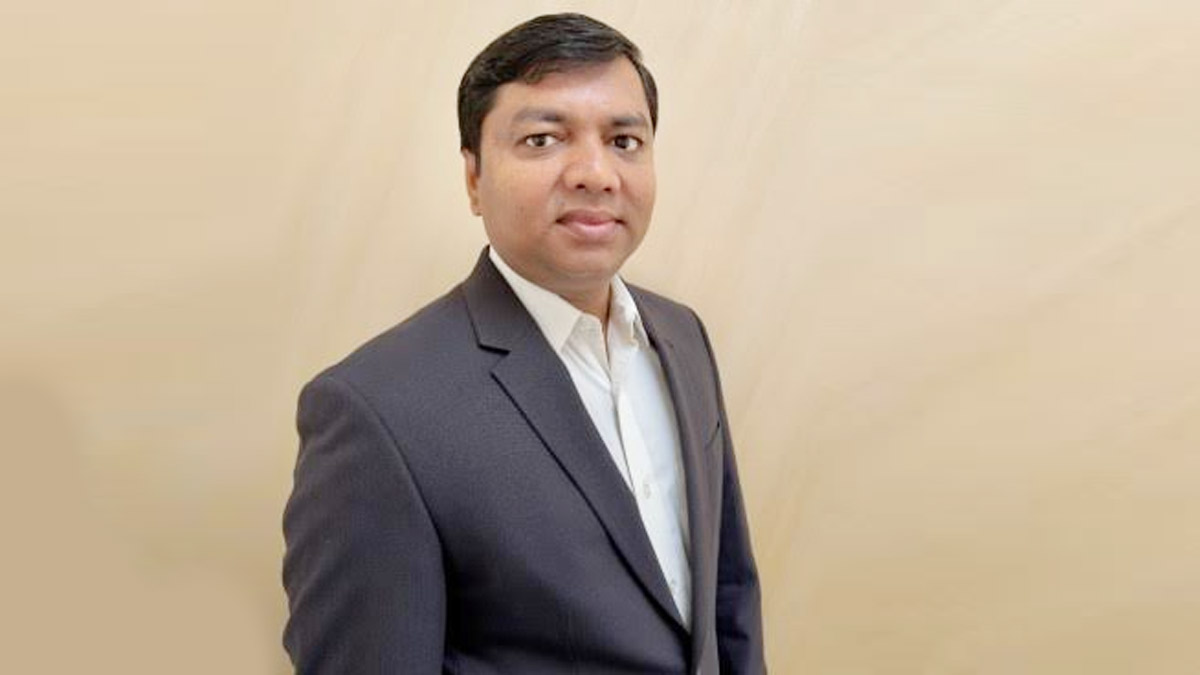
BENGALURU: Boeing’s finance cockpit has a new pilot, and he is no stranger to turbulence or transformation. Boeing has appointed Barun as head of FP&A for global engineering, placing him at the centre of financial strategy for its worldwide engineering and technology operations.
Based in Bengaluru, Barun steps into a role that is as expansive as it is critical. He will serve as the primary finance lead for Boeing’s Engineering and Technology Centers globally, working closely with executive leadership to shape financial decisions, manage complex budgets, and design scalable finance processes that support the company’s growing engineering footprint.
In a note announcing his move Barun said, “I’m excited to share that I’ve joined Boeing Global Engineering. This opportunity is incredibly meaningful to me not just from a professional standpoint, but also for what Boeing represents globally.” He added that he looks forward to contributing to an organisation that continues to shape the future of aerospace and innovation.
Barun’s mandate spans strategic financial leadership, operational oversight, and stakeholder engagement. From directing large-scale budgets and schedules to influencing long-term organisational goals, the role blends financial discipline with business foresight. He will also lead cross-functional teams and partner with finance colleagues worldwide to support engineering programmes across geographies, including India.
The appointment caps a long stint at Juniper Networks, where Barun spent over a decade, most recently as finance senior manager. There, he led FP&A for global product business units and G&A functions, driving budgeting, forecasting, and long-range planning. He also played a key role in enterprise-wide transformation, including spearheading an Oracle to SAP ERP migration and building advanced analytics capabilities using tools such as Tableau and SAP Analytics Cloud.
His earlier career includes finance leadership roles at Sony India Software Centre, Cognizant Technology Solutions, and Mphasis, where he focused on financial planning, governance frameworks, and operational efficiency across global delivery centres.
A chartered accountant from the Institute of Chartered Accountants of India, Barun brings nearly two decades of experience across financial planning, digital transformation, and analytics-led decision making.
His appointment comes at a time when global engineering operations are becoming increasingly complex and distributed, requiring sharper financial oversight and agile planning. With Barun at the helm of FP&A for engineering, Boeing appears to be tightening its financial playbook as it looks to scale innovation with discipline.






