AD Agencies
Publicis warns ad industry: stop the fake AI promises in pitches
Sadoun’s pre-Cannes spoof skewers $5m bribes, cloned bosses and “pay us when you win a lion”


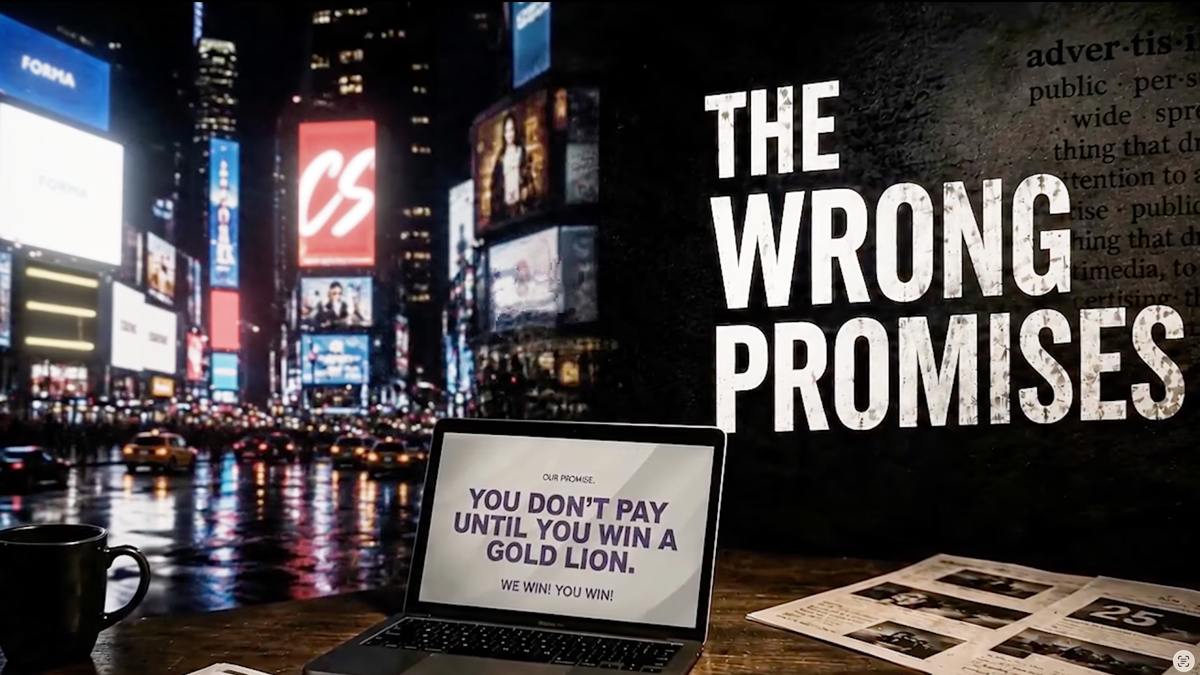
PARIS: Advertising loves a good lie. It is, after all, the business of make-believe. But even Madison Avenue has its limits, and Publicis Groupe has just decided the industry has crashed straight through them.
Days before the admen and account women descend on the Croisette for Cannes Lions, the French holding company has dropped a gloriously vicious short film called “The Wrong Promises,” and it is less a love letter to the trade than a warning shot fired at point-blank range. Big agency groups have been over-promising on AI and making unsustainable commercial offers to clients, according to Arthur Sadoun, chief executive of Publicis. Translation: everyone is lying about the robots, and the bill is coming due.
The film, shot like a true-crime documentary, opens with a wink: the events depicted are real, only the names have been changed “to protect the dignity of those involved.” What follows is a parade of pitch-room horrors. A consultant recalls an agency meeting that “got weird” when the presentation pivoted from audience data to a straight $5m cash bribe for adopting an AI platform. Another agency unveils a deepfaked clone of its own chief creative officer, offered to the client “forever, for free” — the avatar chirpily insisting it consented to its own cloning. Elsewhere, presenters boast of slashing 80 per cent of headcount with automation, of conjuring thousands of adverts at zero cost, and of tracking a client’s Instagram closely enough to offer her a Milan shopping spree with her favourite designer, prompting her to lock the account in horror.
111111111
The best line, though, may be the gold lion gag: a client recalled an agency saying the brand did not have to pay until they win you a gold lion at Cannes, to which the bemused executive snaps back that nobody is showing a trophy at quarterly earnings.
This is satire with a sharp commercial edge. Sadoun says the agency group does not want to knock rivals and maintains this is a collective problem, including for Publicis itself. There is precedent for caution on that front: two years ago Publicis took flak for a similar film that mocked competitors and its own executives by name, under the banner of taking the bs out of AI. This time, no identifiable people or companies appear in the film, lesson learnt.
The substance behind the gags is blunt. Sadoun argues the compound effect of over-promising on AI, paired with unsustainable commercial offers in pitches designed purely to generate headlines, is driving massive job cuts across the industry, and he wants the trade to “stop this race to the bottom” and get back to delivering love for brands, growth clients can see, and success they can measure. Publicis is putting its money where its mouth is, too: Carla Serrano, the group’s global chief strategy officer, says Publicis has changed how it showcases AI to clients, now using a live platform rather than a demo or a video, and Sadoun says the group is being more selective about which pitches it even enters.
The optics matter. Publicis is sending around 40 per cent fewer staff to Cannes this year, with roughly 300 to 350 employees attending, restricted to creatives with work in the festival or leaders with client meetings, and the group has also cut the number of entries it has made for the Lions awards themselves. Less swagger, fewer freebies, a tighter story. Industry watchers seem to buy the diagnosis even if the cure is harder to swallow: Ryan Kangisser, chief strategy officer at Media Sense, says commercially there have been examples of unsustainable offers being made, a symptom of perhaps the most competitive period the new-business market has seen.
So there it is. An industry built on persuasion has been caught persuading itself, and Publicis wants the confession aired before the lions start roaring on the Croisette. The message is simple enough to fit on a pitch deck: stop cloning your CCO, stop bribing clients with shopping trips and stop promising the moon on AI. Clients don’t want gimmicks. They want growth — and growth, unlike a deepfake, can’t be faked forever.