MAM
Pradeep Dwivedi elected as IAA vice president and area director for Asia Pacific


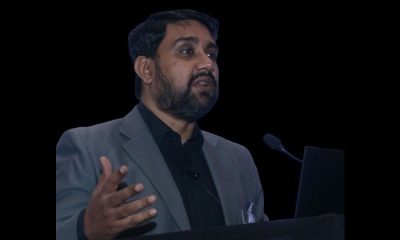
NEW DELHI: Eros STX Global Corporation CEO Pradeep Dwivedi has been elected as the vice president & area director for the International Advertising Association (IAA) APAC region. He is a senior media industry professional and is currently treasurer and director of IAA India chapter. An accomplished industry leader with an experience of over two decades in advertising & media business, telecom & technology enterprises, banking & financial services institutions and automotive sector, he currently also serves as chairperson of the entertainment, media & sports committee at the IMC Chambers of Commerce and Industry, managing committee member of The Advertising Club of India, Member of the CII National Committee on Media & Entertainment, as well as a member of the IBG Chamber of Commerce.
He said, "I am humbled and honoured at the responsibility. I must thank Ramesh Narayan for a fruitful and productive tenure as my predecessor in leading IAA APAC wonderfully for the past two years as well as IAA Global chairman & world president Srinivasan K Swamy, for inspiring me to take on this mandate. The APAC region has amazing potential and I look forward to working with all the Chapter presidents to take the ideals of the IAA forward and collectively ensure that IAA remains the harbinger and compass of marketing communications world-wide in a unique post-Covid2019 era, even as we navigate the challenges ahead of us. "
IAA chairman and world president Srinivasan Swamy said, "I am delighted to welcome Pradeep Dwivedi as our area director and vice president for Asia Pacific. He has been an integral part of IAA India chapter for nearly a decade and has been leading many initiatives while building a world-wide network with his commitment to IAA. I wish him all the very best in taking on this leadership responsibility at IAA Global.”

IAA APAC region’s outgoing VP & area director Ramesh Narayan said, “I have always believed in advertising as a potent force for social good, and our actions in IAA APAC have been a testimony to that ethos. I am happy that Pradeep will carry the torch forward with sustained zeal and continue our sincere endeavour. Our best wishes are with him.”




MAM
Ameya Velankar steps down as Uber’s head of marketing for India & South Asia
Veteran marketer exits after more than seven years with the ride-hailing giant.
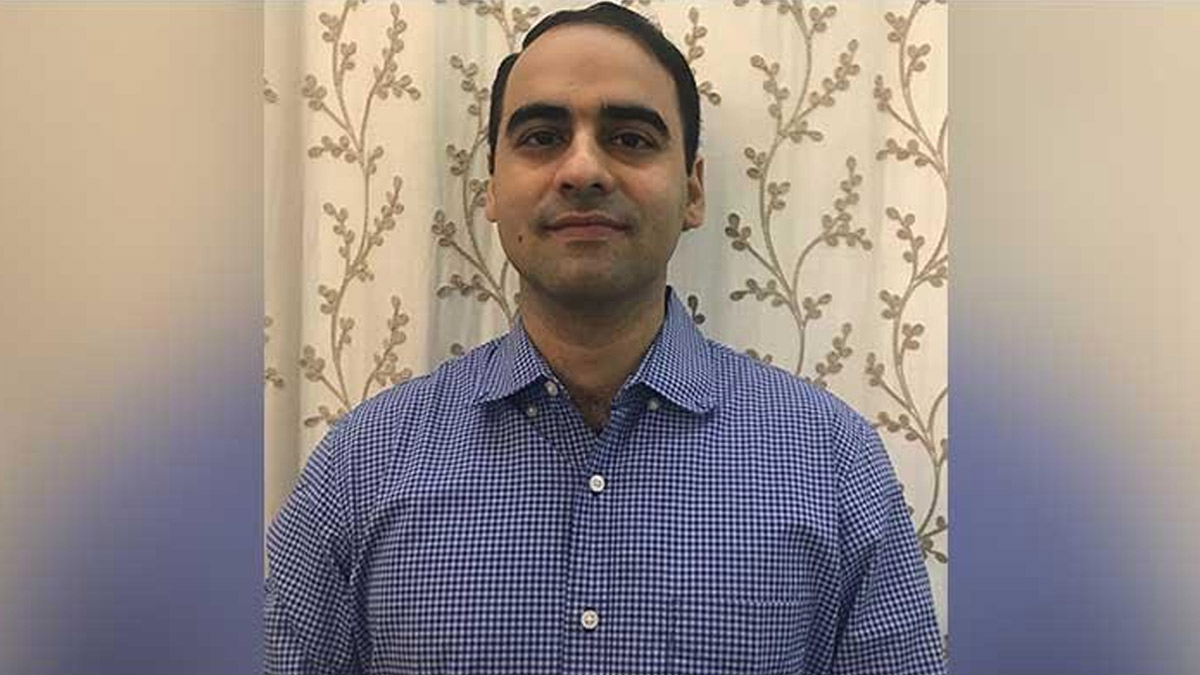
MUMBAI: After more than seven years of steering Uber through the bumpy roads of India’s mobility market, Ameya Velankar has decided to change lanes. Ameya Velankar has stepped down as Head of Marketing for India and South Asia, marking the end of a significant chapter at the ride-hailing company. He had been with Uber since 2019, taking on multiple roles in product and category marketing before rising to lead the marketing function for the region in 2021.
During his tenure, Velankar played a key role in strengthening Uber’s positioning in one of its most competitive and dynamic markets. He helped drive localised marketing strategies and scale adoption across key offerings such as Auto, Moto, Rentals and Intercity, tailoring global platforms to Indian consumer needs.
Prior to joining Uber, Velankar built his marketing expertise at leading consumer companies including SC Johnson and Marico, where he handled category and product leadership roles. His career began at RPG Enterprises.
Details of his next professional move have not been disclosed.
In a fast-evolving mobility landscape where brands constantly battle for attention, Ameya Velankar helped Uber stay relevant and resonant with millions of Indian users. As he moves on from the driver’s seat of marketing, the company will now look for fresh ideas to keep its wheels turning smoothly.






