MAM
PR Professionals appoints Rajveer Ahuja as director – film & entertainment


Mumbai: PR Professionals, the flagship of PRP Group has appointed Rajveer Ahuja as director of its film and entertainment division to enhance its presence in the industry.
Ahuja brings over two decades of experience in filmmaking, writing, and direction, with notable roles as an actor and writer in Gollu Aur Pappu and as a dialogue writer for Fugly, which introduced Kiara Advani. His portfolio includes contributions to award-winning films like Modi ji ki Beti, Cheel Gadi (Flying Wagon), Girl in Red, Mukti, Peanut Butter, Lonely Girl: A Psychological Thriller, The Gift, Tera Mera Pyar Amar, and The Last Show.
Ahuja also produced all seasons of the musical series Bhoomi by Salim-Sulaiman, known for featuring Indian musicians. As part of Bhoomi 2024, Shreya Ghoshal and Sunidhi Chauhan have collaborated on a new song, Chhaila. In advertising, Ahuja has produced the JBL ad featuring AR Rahman and directed the Matrix Forex commercial with Shahrukh Khan.

With Ahuja leading the film & entertainment division, PR Professionals aims to expand its influence in the entertainment sector, focusing on creative innovation and strategic partnerships.
PR Professionals founder & MD Dr Sarvesh Tiwari shared “We are excited to welcome Rajveer to lead our Film & Entertainment division. His extensive experience, visionary approach, and passion for storytelling align with our goals of creating impactful content and fostering growth in the entertainment industry. We are confident that this strategic expansion will enhance our capabilities and elevate our work to new heights.”
Ahuja shared, “I am happy to be a part of PR Professionals which has grown phenomenally in the past. I am thrilled to lead their films and entertainment division and take it forward to newer heights.”
The Films and Entertainment division of PR Professionals has managed publicity and promotions for Bollywood hits like Tu Jhoothi Main Makkar with Ranbir Kapoor and Shraddha Kapoor, and Dream Girl 2 with Ayushmann Khurana and Ananya Pandey.
Founded in 2011, PR Professionals is an integrated communications agency focused on branding and public relations. The agency supports businesses in achieving market presence and engages in philanthropic activities. Confianza Consulting, part of PRP Group, provides human resource solutions, including talent acquisition, performance management, and compliance. PRP Group has expanded to 12 offices in India and six international locations.






MAM
Ameya Velankar steps down as Uber’s head of marketing for India & South Asia
Veteran marketer exits after more than seven years with the ride-hailing giant.
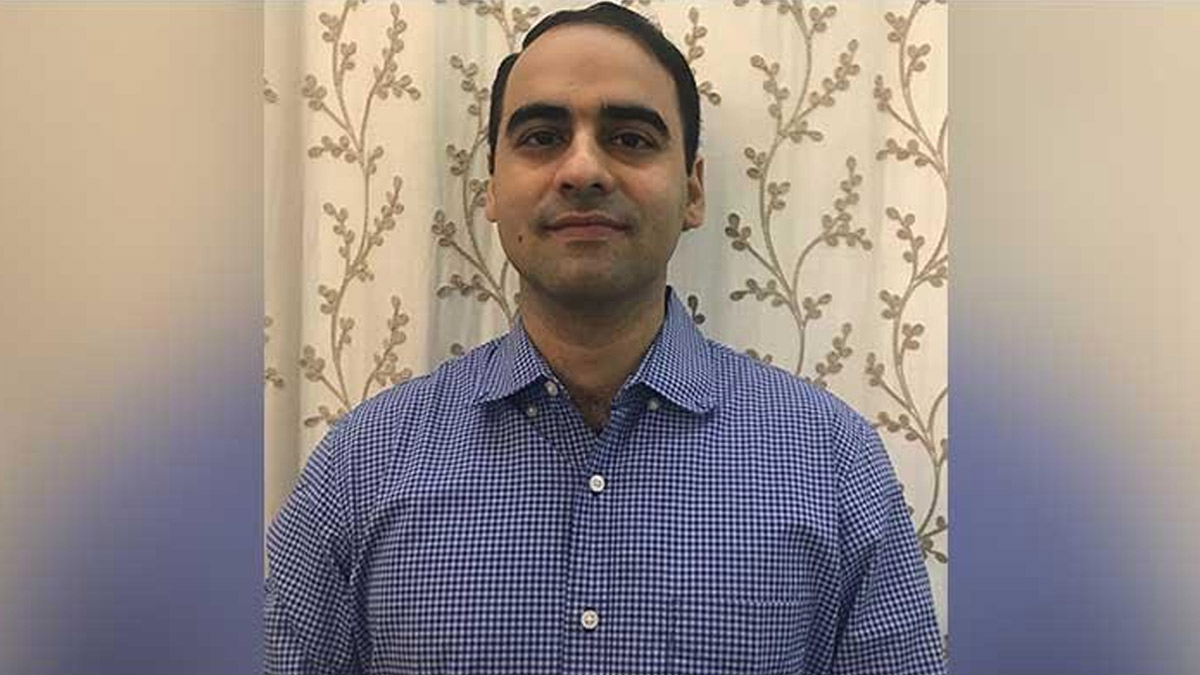
MUMBAI: After more than seven years of steering Uber through the bumpy roads of India’s mobility market, Ameya Velankar has decided to change lanes. Ameya Velankar has stepped down as Head of Marketing for India and South Asia, marking the end of a significant chapter at the ride-hailing company. He had been with Uber since 2019, taking on multiple roles in product and category marketing before rising to lead the marketing function for the region in 2021.
During his tenure, Velankar played a key role in strengthening Uber’s positioning in one of its most competitive and dynamic markets. He helped drive localised marketing strategies and scale adoption across key offerings such as Auto, Moto, Rentals and Intercity, tailoring global platforms to Indian consumer needs.
Prior to joining Uber, Velankar built his marketing expertise at leading consumer companies including SC Johnson and Marico, where he handled category and product leadership roles. His career began at RPG Enterprises.
Details of his next professional move have not been disclosed.
In a fast-evolving mobility landscape where brands constantly battle for attention, Ameya Velankar helped Uber stay relevant and resonant with millions of Indian users. As he moves on from the driver’s seat of marketing, the company will now look for fresh ideas to keep its wheels turning smoothly.






