MAM
Potato snacks win hearts of 65 per cent Indians: The India Snacking Report by Godrej

Mumbai: In the vibrant tapestry of Navratri traditions, where vegetarian fare takes center stage, the humble potato emerges as a cherished protagonist. Its remarkable versatility makes it a cornerstone in beloved Navratri food items like Sabudana Khichdi, Aloo Tikki, Aloo Chat, and Cutlets, lending an irresistible charm to the festive spread.
This devotion to the potato transcends seasons, with a resounding 65 per cent of Indians professing their love for potato-based snacks, a sentiment that holds true not just during Navratri, but year-round. This intriguing revelation stems from none other than the ‘STTEM – Safety, Technology, Taste, Ease & Mood Uplifter’ – The India Snacking Report (Volume I) meticulously curated by Godrej Yummiez, a pioneering brand in the realm of frozen ready-to-cook offerings. This report offers a profound exploration of India’s snacking landscape, unraveling the essence of our collective culinary inclinations.
According to the Godrej Yummiez report, when we examine preferences across regions, it becomes evident that East India exhibits the highest affinity for potato-based snacks, registering an impressive 69 per cent. Following closely behind, North India secures the second position with a score of 68 per cent, while the West region also boasts a commendable 65 per cent, securing the third spot. The South region, with a score of 62 per cent, takes the fourth position in terms of their fondness for potato-based snacks.

Speaking about the insights and the report, Godrej Tyson Foods Ltd (GTFL), Yummiez AVP Mohit Marwaha stated, “As a category thought leader, Godrej Yummiez understands consumers well and shaped trends redefining the frozen ready-to-cook segment. The India Snacking Report is one such initiative by Godrej Yummiez to analyze and predict snacking trends. The report highlights that potatoes continue to hold a prominent position in snack culture, serving as an essential component for various occasions in people’s lives.”
He further added, “Potato snacks are the hot favourite in the veg frozen foods category. We ourselves offer many potato-based snacks like Godrej Yummiez Crispy Potato Starz, French Fries, Aloo Tikki, among others. We ensure our products have no preservatives since they are made using the Individual Quick Freeze (IQF) technology. This makes the product keep its shape, colour, smell, and taste after defrosting, at a far greater extent.”
In the findings of The India Snacking Report by Godrej Yummiez, a noteworthy revelation emerges: a predilection for potato-based snacks varies with gender. Impressively, 70 per cent of women express a preference for these delectable treats, whereas 60 per cent of their male counterparts share a similar sentiment.
Delving further into urban demographics, residents of bustling metro cities showcase a penchant for potato-based snacks, registering an impressive score of 69 per cent. Meanwhile, in Tier II cities, a considerable 60 per cent of the populace exhibits a similar fondness for these delectable offerings.
Commissioned by Godrej Yummiez, ‘STTEM – Safety, Technology, Taste, Ease & Mood Uplifter’ – The India Snacking Report (Volume I) was conducted by InQognito Insights. The study was conducted across North, South, West, and East regions and covered 10 cities like Mumbai, Pune, Ahmedabad, Delhi, Jaipur, Lucknow, Kolkata, Chennai, Hyderabad, and Bangalore.
Please download the complete report on https://www.godrejyummiez.in/


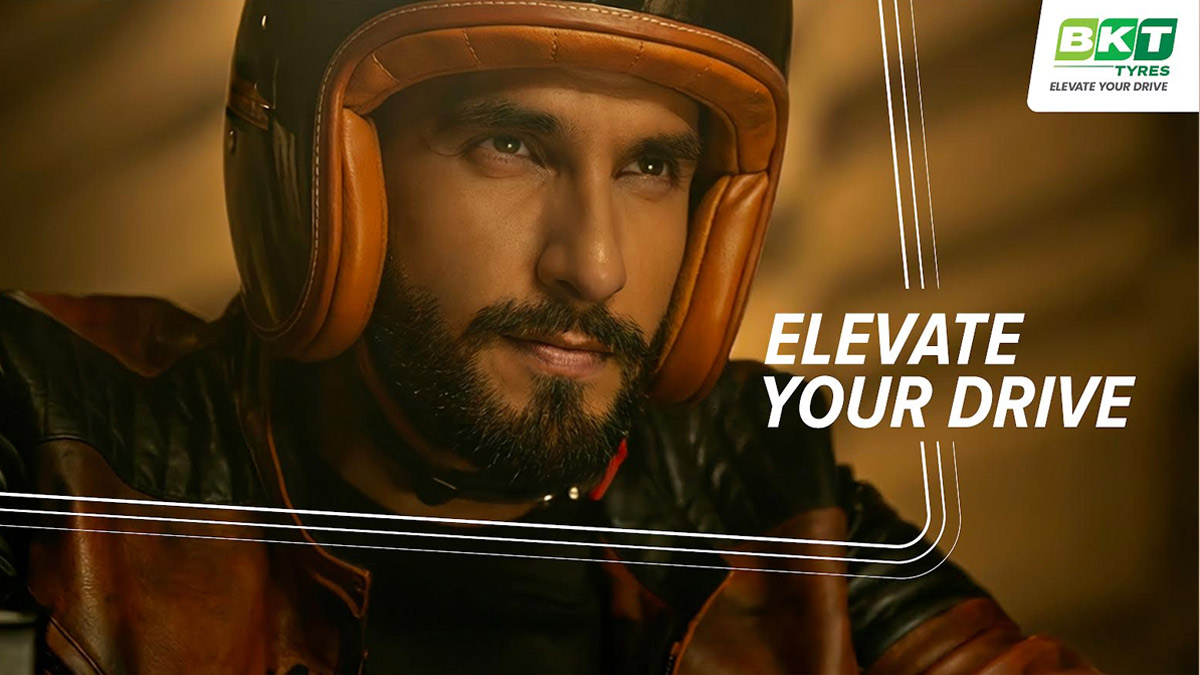
MUMBAI: BKT Tyres has decided to roll into the two-wheeler world with some serious jurrat and it’s brought Ranveer Singh along for the ride. The off-highway tyre specialist has unveiled its new campaign, ‘Jurrat’, marking a strategic push into India’s massive two-wheeler segment. The high-energy TV commercial, featuring brand ambassador Ranveer Singh, debuted on 3 April 2026 during the Indian Men’s T20 League 2026.
The campaign revolves around the core belief that true confidence on the road comes from dependable performance beneath you. ‘Jurrat’ (meaning courage) captures the mindset of riders who navigate dynamic and often unpredictable daily commutes with determination. It brings BKT Tyres’ brand philosophy ‘Elevate Your Drive’ into the two-wheeler space by spotlighting three key product benefits: long life, exceptional road grip, and unmatched comfort.
BKT Tyres chief marketing officer for India Mahesh Koppad said, “India’s two-wheeler segment reflects the way the country moves, works, and progresses every day. ‘Jurrat’ highlights how performance-led tyres, engineered for long life, comfort, and grip, enhance the overall riding experience and support uninterrupted progress in everyday life.”
The campaign is being rolled out across television and digital platforms with high-impact placements to ensure maximum reach and engagement.
This launch represents BKT Tyres’ calibrated expansion from its stronghold in off-highway tyres to becoming a more holistic mobility brand, addressing the everyday transportation needs of millions of Indian riders who rely on motorcycles and scooters as their primary mode of transport.
In a segment where confidence is everything, BKT Tyres is betting that a combination of bold celebrity appeal and strong product performance will help it gain serious traction on Indian roads. The campaign signals that the company is ready to move beyond its traditional turf and accelerate in the fast-paced two-wheeler market.






