MAM
Post-IPO Performance: What Happens After the Stock Starts Trading?

The initial public offering marks a significant milestone for a company as it changes from a privately held entity to a publicly traded one. This event is often characterised by a surge in investor interest, leading to price fluctuation and increased market volatility. However, the true test of a company’s value and reception lies in its performance post-IPO.
This landscape is a complex interplay of factors, including market sentiment, investor expectations, etc. The IPOs in India have witnessed a surge in recent years, with companies across various sectors tapping into the public market. However, the performance of these newly listed entities has been a mixed bag. Statistics show that Indian retail investors drive IPOs with 57% average gains, outperforming Asia Pacific and global averages.
As Vineet Arora, the manager of Singapore-based NAV Capital Emerging Star Fund, says, the younger generation mostly do not want to invest in houses or real estate. Rather, their money is now finding its way into IPO stocks.

By examining the post-IPO trajectory of Indian companies, this piece aims to contribute to the existing body of knowledge on the trend shift.
Join us as we explore further.
An overview of the IPO cycle
This term encapsulates a private company’s comprehensive steps while transitioning into a publicly traded entity. Simply put, it showcases all the steps a private company owned by specific investors takes before offering their shares to an expensive public audience through stock exchange facilitation.
Stated below is an exhaustive listing of all the phases:
Pre IPO phase
It marks the beginning of various tasks in the Indian share market. Primarily, the private company prepares for this process by evaluating its valuation. After this, it complies with regulations, including participation in road shows and investor presentations.
IPO phase
In the second stage, the company files a registration statement with the help of the regulatory authority. This paper includes detailed information about the organisation, including risks, operational details, etc. The regulatory authority reviews this paper to confirm compliance so the company can proceed to the next step.
Book building or marketing phase
Upon approval, the organisation will engage in marketing efforts. They aim to draw interest and create demand among retail investors. Meanwhile, they present investment opportunities to potential clients.
Subscription phase
This is a critical stage when the company, with assistance from its investment bankers, offers shares to the public for the first time. The organisation determines the price band for the IPO. This indicates the rate at which investors can bid for the shares. Interested individuals can apply for the initial public offering through their demat account or online banking platforms. The company will allocate shares to successful applicants based on this demand and the number of shares available.
Post IPO phase
This stage is characterised by successfully listing an organisation’s share on a stock exchange. This marks the shift from a privately held entity to a publicly traded one subject to the scrutiny of the open market. The stock price is primarily determined by demand and supply. Factors such as the organisation’s performance, industry trends and more play a crucial role in price fluctuations. This can be viewed on the IPO dashboard.
As a public company, it faces scrutiny from investors, analyst media, etc. Transparent financial reporting, adherence to corporate governance best practices, etc, are important. Additionally, the increased number of stakeholders and the ability to trade shares freely on the stock exchange significantly enhances access to cash for the company’s shares.
Moreover, in this stage, the organisation can raise additional capital more easily through equity or debt offerings than before its IPO status.
Although prone to stricter corporate governance regulations, this phase offers opportunities for the company to explore strategic acquisitions or mergers to expand its market presence. Thus enhancing shareholder value.
Challenges of Post-IPO Phase
This landscape is laced with adversities that require careful navigation:
Meeting investor expectations
Companies face intense inspection from their shareholders. Delivering consistent financial performance and communicating their vision are important to maintain their client’s confidence. Failure to meet such expectations can lead to stock price decline and erosion of investor value.
Keeping up their financial performance
The pressure to sustain or accelerate revenue and profit is immense post-IPO. Economic downturn, increased competition and operation challenges can disrupt financial performance, impacting the company’s valuation.
Managing increased regulatory compliance
Public companies are subject to a complex web of laws. This includes financial reporting, corporate governance and investigator disclosure. Adhering to these requirements is time-consuming and costly. Contrary to this, noncompliance can result in significant penalties.
Dealing with volatility
The share market IPO can fluctuate due to various factors, such as economic conditions and investor sentiment. To overcome such situations, companies must develop strategies to manage volatility and protect shareholder value.
Opportunities for Post-IPO Phase
Despite the challenges, this stage offers various occasions for growth and development:
Access to a wider investor base
Going public exposes the company to several shareholders, including institutional investors, mutual funds, and more. It provides access to a larger pool of capital for future growth initiatives.
Enhanced brand visibility
An IPO can significantly enhance a company’s reputation. Increased media coverage or public awareness can lead to new business opportunities paired with customer loyalty.
Potential for acquisitions
With access to capital and higher market valuation, public companies can pursue strategic possession to expand their share. Apart from this, they can enter new markets or acquire complementary technologies.
Final note
With complex interplay factors that shape a company’s trajectory, the post-IPO journey is a crucial stage. Factors such as market dynamics and the company’s execution capabilities are true tests that determine long-term success.
In such scenarios, Research 360 can be a valuable tool for understanding the post-IPO landscape. Through in-depth analysis and data on factors like industry trends and investor sentiment, this platform helps you gain invaluable insights for strategic planning. By leveraging such tools, stakeholders can make informed decisions for successful trading.


Brands
DeVANS sparks buzz with self-chilling beer can April Fools campaign
Godfather stunt racks up 7 million impressions, blending humour with hype
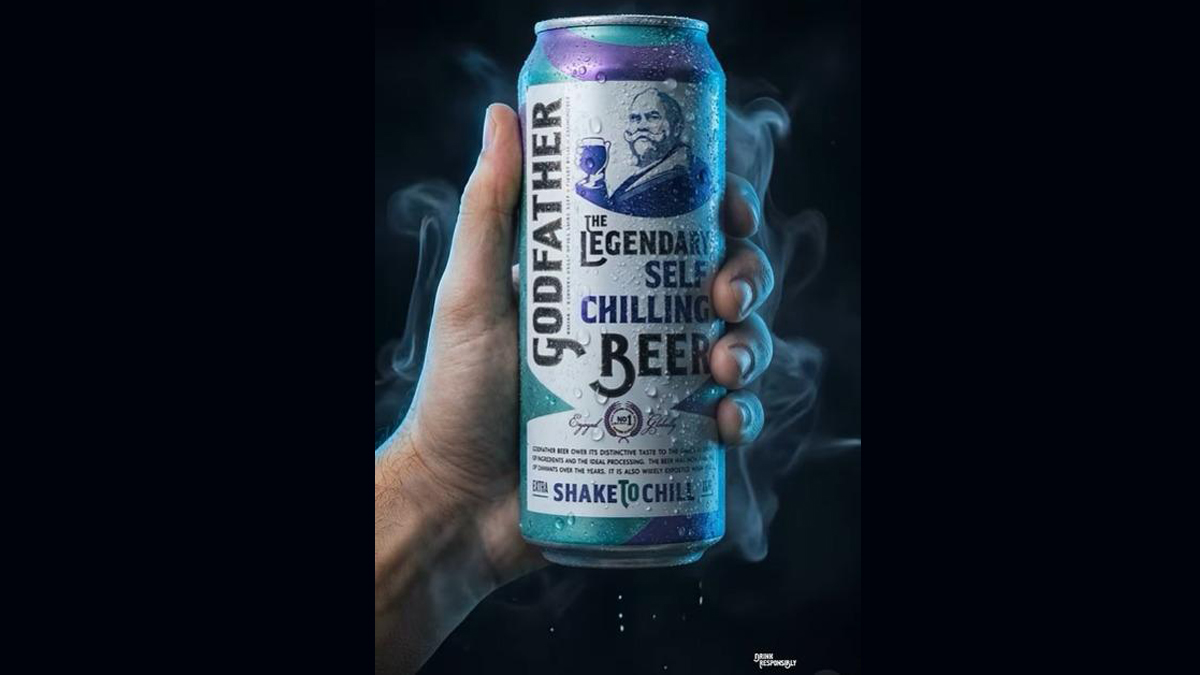
NEW DELHI: DeVANS Modern Breweries has stirred up the marketing pot with a playful yet high-impact campaign teasing a futuristic “self-chilling beer can” under its flagship Godfather label.
What began as a seemingly bold product innovation quickly turned into one of the most talked-about brand moments online, before being revealed as an April Fools’ Day prank. The reveal, however, did little to cool the buzz.
The campaign clocked over 7 million organic impressions across platforms including LinkedIn, Instagram, Facebook and X, with users debating whether the concept was a genuine breakthrough or clever marketing theatre. Thousands of shares and comments turned the idea into a full-blown conversation, drawing in both consumers and industry insiders.
The hook was simple but effective. A self-chilling can positioned as an on-the-go convenience product tapped into the imagination of younger, urban audiences. Add the timing around April Fools’ Day, and the campaign struck the perfect balance between curiosity and scepticism, keeping audiences guessing.
Marketing experts have pointed to the campaign as a case study in leveraging cultural moments. By leaving just enough ambiguity, the brand invited audiences to participate rather than simply observe, turning passive viewers into active contributors to the narrative.
“Godfather has always been an iconic brand, but iconicity must evolve to stay meaningful,” said DeVANS Modern Breweries chairman and managing director Prem Dewan. “The ‘Self-Chilling Can’ was our way of showing up in a cultural moment with confidence and a sense of humour.”
Beyond the numbers, the campaign signals a broader repositioning for Godfather. Long seen as a legacy beer brand, it is now leaning into youth culture, digital-first storytelling and topical engagement to stay relevant in a crowded alcobev market.
In a space where attention is fleeting, DeVANS has shown that sometimes the coolest idea is the one that keeps people guessing.






