Brands
PKL sponsors and partners cross 100-mark

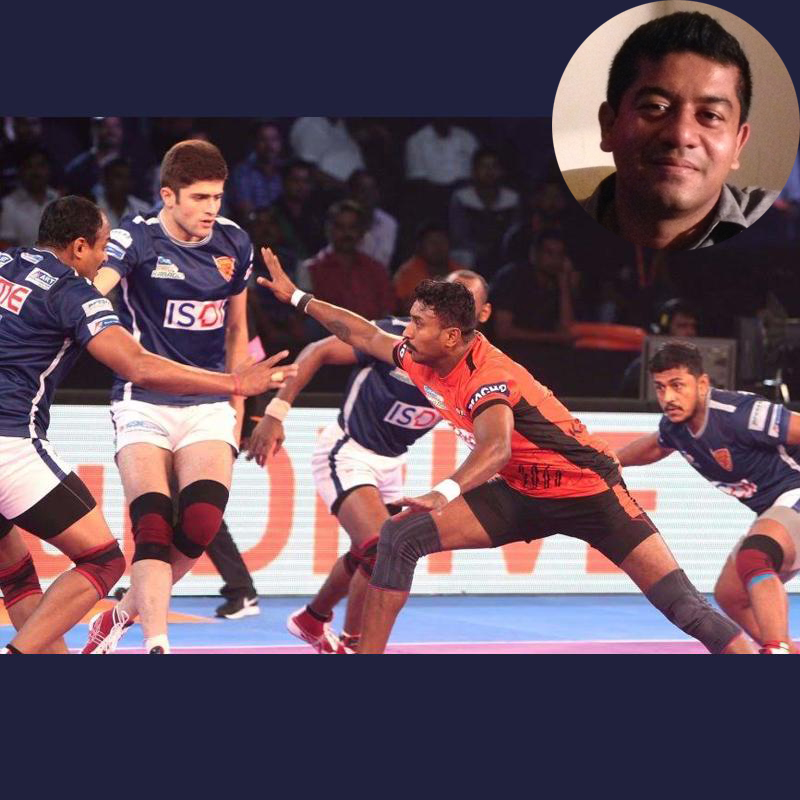
MUMBAI: Star India chairman & CEO Uday Shankar has this uncanny ability to see opportunity where many do not. For many years, TV broadcasters had only one sport which could be monetised: cricket. Which was a major limiting factor to developing the overall Indian sports and sports broadcasting ecosystem. Hence, he and team Star India looked around for indigenous sport that could be developed around six years ago.
One of the properties that popped up was kabaddi, a highy underdeveloped sport, which was being pushed by a company called Mashal Sports and industrialist Anand Mahindra. Shankar saw a lot of promise in the venture and today he can be rightfully be pleased with what has been achieved.
“When we started out, it was difficult to get corporations to own franchises,” says Shankar. “Anand used his personal charm to get folks on board. But this year, when we added four teams, a large number of top corporates and individuals were very keen. We had a problem of plenty. “
Not just owners. Even brands have been hopping on board to back the Vivo Pro-Kabaddi League (PKL) as it has been gaining viewership from the first season to the ongoing fifth season.
The need for looking at the commercial aspect of sports and supporting it for the sake of business and branding, packaging and cultivating viewership were some of the ideas which have been proven on the ground — by Star India and the Kabaddi franchises.
In Season 1, PKL hardly had any sponsor and partner, but, with the traction it has got for the past couple of seasons, it has managed to cross 100-mark in Season 5 including individual teams sponsors and partners.
Talking to Indiantelevision.com, Unilazer Sports CEO Supratik Sen said, “All the sponsors including jersey sponsors, on-ground, and title sponsor for UMumba has a range of Rs 8 million to Rs 20 million which is generally applicable for all the other teams.”
Vivo PKL Season 5 has seen many late-entrant brands as sponsors and partners. Brands are aware that PKL is the only major non-cricketing event dominating in the present times.
Corporates, of course, support events for the sake of building their brands. Given the demographics in India, advertising was done for more visibility. “For the sake of going the whole hog into sports promotion,” an analyst says, “the complete supply chain would need to be looked at – from scouting for talent to sports good manufacturing etc. to CSR.”
Remarked Sen: “The team performance helps to get the brands on board. From Season 2, we were pretty much close to breaking even, but it was notional. But now, the reach of sports has become more important instead of breaking even (and profits),” Sen said.
The recently added sponsors and partners for PKL as well as the teams are: Title sponsor Vivo signed a Rs 3 billion ($ 45 million) deal for five years with the league a couple of months ago.
The associate sponsors are — Gillette, TVS Motors, Mutual Funds, Bajaj Electricals, Nissin, Royal Challenge and RR Kabel are the partners. Recently, Ultratech Cement has been roped in as an associate sponsor.
Dabang Delhi has roped in ISME (Indian School of Management and Entrepreneurship) and ISDI (Indian school of Design and Innovation) as its jersey sponsors and the new partners are Gold gym’s, zoom car and Insidesports.
UMumba has shifted its title sponsor from Nise Gel to Zandu Gel. The team is powered by Manforce. Bangaluru Bulls has roped in Karbonn Smartphones as the title sponsor and Kent RO and Gem Paints as the principal sponsor.
Puneri Paltan has got Force Motors as the principal partner and Syska as the new associate partner. Jaipur Pink Panthars has pocketed Muthoot Finance and Performax Activewears as the new associate sponsors.
Tamil Thalaivas was the only team with no sponsor in the beginning of Season 5 but it has now attracted Muthoot Fincorp as the title sponsor, powered by Maha Cement and associate sponsors are — Agni Steels, Nippon Paint, Smartron and Admiral.
Telugu Titans has Greenko as its title sponsor and UP Yoddhas has roped in Karbonn Smartphones as its jersey sponsors.
The sports sponsorship market in India witnessed a healthy growth trend in the last couple of years from Rs 51.9 billion in 2015 to Rs 61-65 billion in 2016 as per KPMG FICCI Frames 2017 report.
The fifth season is touted to become one of the biggest league tournaments as one sees traction from several brands as sponsors and partners.
Also Read :
PKL 5 advertisers grow three-fold, sponsorships rise 320%
How brands are reaching out to wide PKL audience