Brands
PepsiCo’s India ambitions: fizzing with growth potential

MUMBAI: In the sweltering heat of India’s bustling metropolises, where street vendors hawk their wares amid a cacophony of honking horns and animated chatter, PepsiCo has spotted an oasis of opportunity. The beverage and snack behemoth aims to double its revenue in this vibrant South Asian nation over the next five years, viewing India as a critical “key anchor market” where it’s pouring investments like a perfectly fizzy drink into a chilled glass.
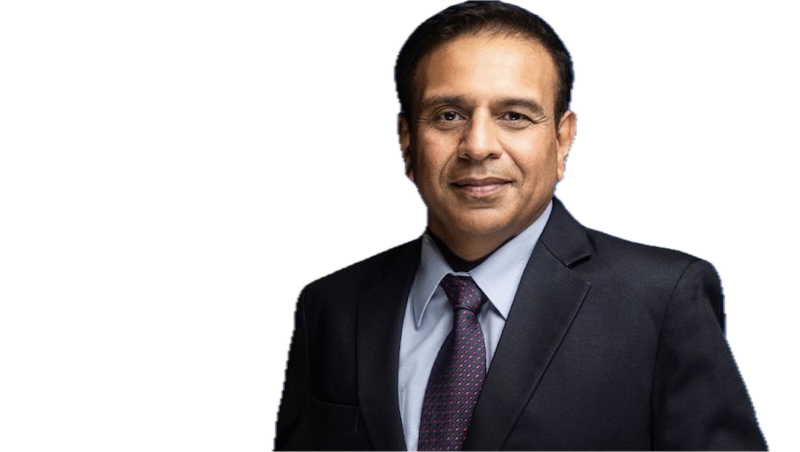
PepsiCo India & South Asia CEO Jagrut Kotecha, with eyes sparkling like carbonated bubbles rising to the surface, revealed that India will serve as the “engine of growth” for PepsiCo’s global revenue ambitions. Standing tall among the company’s top three markets globally, India’s performance has been anything but flat, serving up double-digit growth that’s as refreshing as a cold sip on a blistering summer day.
 “We believe India will be the engine of growth for PepsiCo to drive the top line,” Kotecha explained, gesturing expressively during an exclusive interview with PTI. “Our per capita consumption in India is still very low, not only for beverages and food, but we would expect one of PepsiCo’s fastest-growing economies to change that,” he added, his optimism as effervescent as a freshly opened bottle of cola.
The company hasn’t been crisping about when it comes to investments. PepsiCo has already established greenfield plants in the northern state of Uttar Pradesh, where golden wheat fields stretch to the horizon, and is preparing to pop open a new facility in Assam, nestled among lush tea plantations in India’s verdant northeast, by year’s end.
“We are not going to be investment shy,” Kotecha declared, with the confidence of someone holding the winning hand in a high-stakes game. “We’re going to be investing forward to drive that growth because it’s there for us to capture.”

The numbers tell a tasty tale: PepsiCo has poured close to Rs 3,500-4,000 crore into the Indian market over the past three years—an investment as substantial as a fully loaded potato crisp.
The American giant has crafted a strategy as carefully layered as a perfectly constructed sandwich. It has divided the kaleidoscopic Indian market into nine distinct clusters based on taste preferences, demonstrating an understanding that India’s palate is as diverse as its colourful festivals and traditions.
PepsiCo operates through instantly recognisable brands that have become as familiar to Indians as the sight of cricket matches in neighbourhood parks—Kurkure with its distinctive crunch, Lay’s with its perfect crisp, thoughtful Quaker, and zesty Doritos dominate its food segment, which contributed a hearty 80 per cent to PepsiCo India’s revenue in 2023.
The remaining 20 per cent bubbled up from beverages, a segment handled by bottling partner Varun Beverages Ltd (VBL), which operates a network of 41 plants scattered across the country like stars in the night sky. VBL isn’t sipping slowly either—they’ve increased capacity by a quarter this year alone.

Its beverages brand include carbonated fare such as Mountain Dew, 7up, Pepsi, and energy drink Sting and sports beverages Gatorade, while in juices it has Tropicana and Slice brands .PepsiCo operates with Kurkure, Lays, Quaker and Doritos in the snacks category.
When questioned about new competitor Reliance’s Campa Cola, which has been creating ripples in the market with aggressive pricing and distributor margins, Kotecha maintained the composed demeanour of a drink that hasn’t lost its fizz.
“It’s always good to have competition. Competition only helps to grow the category,” he remarked with the wisdom of a seasoned market player. “Even before Pepsi and Coke were there, there were a lot of local, regional players. Now Campa has also come with a lot of flair and expense. So our belief is the category will then grow and consumption will grow.”
This optimistic outlook comes even as India’s per capita consumption remains “far less” than neighbouring Pakistan—a fact that doesn’t seem to dilute Kotecha’s enthusiasm.
The vision for PepsiCo India is as clear as a glass of Mountain Dew: to achieve $2 billion (around Rs 17,000 crore) in revenue in the coming years. Having reported over Rs 5,950 crore in 2023 (for nine months due to a change in fiscal year), and maintaining double-digit growth since then, PepsiCo appears to be on a trajectory as steady as a perfectly balanced can of soda.
As the sun sets over the vast Indian landscape, painting the sky in hues of orange and purple, PepsiCo continues to bet big on a country where every street corner could potentially house a new consumer ready to reach for a cold drink or a packet of crisps. In this land of a billion dreams, PepsiCo is hoping its growth story will be nothing short of effervescent.