MAM
Pepperfry names Shubbam Sharrma as new chief growth officer

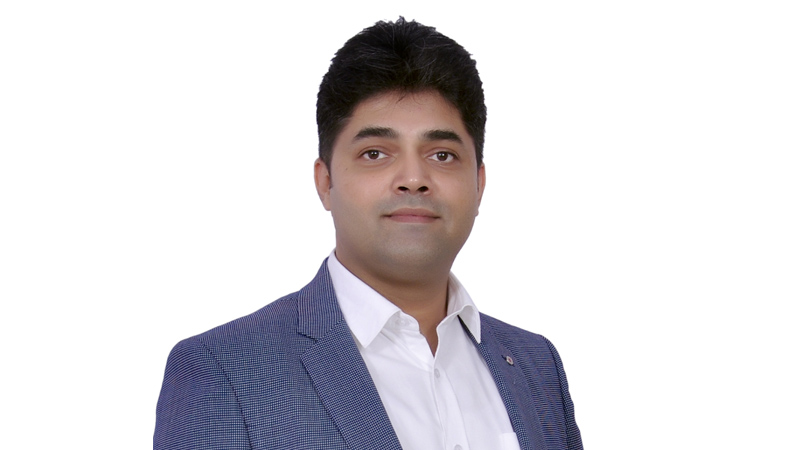
Mumbai: Pepperfry, India’s e-commerce furniture and home decor platform, has appointed Shubbam Sharrma as chief growth officer, marking a significant step in the brand’s journey to redefine growth. With over 17 years of expertise across retail, e-commerce, and omnichannel ventures, Sharrma is set to lead Pepperfry’s strategic expansion, focus on customer acquisition, and boost operational efficiency.
In his role as CGO, Sharrma will expand Pepperfry’s presence in the home categories, launch new product segments, and elevate B2B growth through initiatives like the multi-tiered channel partner program and partnerships with Horeca and corporate clients. His proven track record in driving transformative growth makes him a valuable addition to Pepperfry’s leadership team.
Welcoming Sharrma aboard, Pepperfry co-founder & CEO, Ashish Shah said, “We are delighted to welcome Shubbam to the Pepperfry family. His extensive experience in driving growth in retail, coupled with his deep understanding of the consumer landscape, makes him the ideal leader to spearhead our next phase of expansion. We are confident that Shubbam’s vision and expertise will be instrumental in solidifying Pepperfry’s position as the undisputed leader in the furniture, mattress and home décor market.”

Expressing his excitement, Sharrma said, “I’m thrilled to be part of Pepperfry during this exciting phase of its growth journey. For anyone looking to buy furniture, Pepperfry has become the go-to destination. Our aim would be to further enhance this segment with tech-driven innovation and omnichannel integration to complete more and more customer journeys and make the business funnel more efficient. By fostering content and community engagement, we will democratize access for D2C entrepreneurs, helping to bring the best curated collections to our customers”.
Sharrma added, “Our vision is to blend new-age and legacy brands, creating a one-stop destination for all things home—truly the best of both worlds. Furthermore, we see immense potential in the B2B segment, particularly in building a curated platform for architects and interior designers to meet their discerning clients’ needs. As any B2B client setting up a workspace requires extensive furniture and decor, we are committed to developing efficient channels to serve this segment effectively. Together, we will set new benchmarks for customer-centricity, operational excellence and innovation.”
Prior to Pepperfry, Sharrma was chief business officer at ImpactGuru, where he drove multi-city growth and optimised operations, marketing, and HR processes. He played a pivotal role in CarDekho’s success in the used car retail space and has consulting experience with KSA Technopak and RedSeer, advising on digital transformation and growth strategies.




MAM
Ameya Velankar steps down as Uber’s head of marketing for India & South Asia
Veteran marketer exits after more than seven years with the ride-hailing giant.
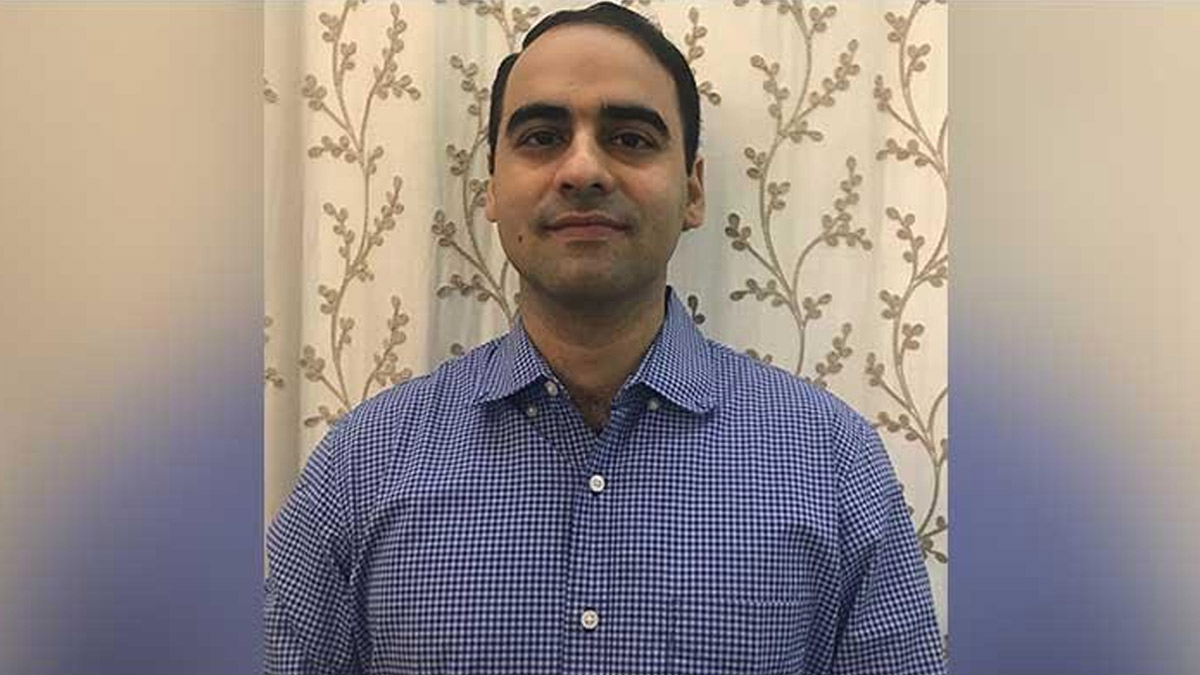
MUMBAI: After more than seven years of steering Uber through the bumpy roads of India’s mobility market, Ameya Velankar has decided to change lanes. Ameya Velankar has stepped down as Head of Marketing for India and South Asia, marking the end of a significant chapter at the ride-hailing company. He had been with Uber since 2019, taking on multiple roles in product and category marketing before rising to lead the marketing function for the region in 2021.
During his tenure, Velankar played a key role in strengthening Uber’s positioning in one of its most competitive and dynamic markets. He helped drive localised marketing strategies and scale adoption across key offerings such as Auto, Moto, Rentals and Intercity, tailoring global platforms to Indian consumer needs.
Prior to joining Uber, Velankar built his marketing expertise at leading consumer companies including SC Johnson and Marico, where he handled category and product leadership roles. His career began at RPG Enterprises.
Details of his next professional move have not been disclosed.
In a fast-evolving mobility landscape where brands constantly battle for attention, Ameya Velankar helped Uber stay relevant and resonant with millions of Indian users. As he moves on from the driver’s seat of marketing, the company will now look for fresh ideas to keep its wheels turning smoothly.






