MAM
People resent big brands invading social networks: TNS


MUMBAI: Businesses are wasting time and money trying to reach people online without realising that many people resent big brands invading their social networks, according to findings from a global study launched by TNS.
The findings were revealed by TNS‘s Digital Life study, a view of how more than 72,000 consumers in 60 countries including India behave online and why they do what they do.
TNS‘ research reveals that if not carefully targeted, the efforts of developing profiles on social networks, such as Facebook or YouTube, to speak to customers quickly and cheaply are wasted (49 per cent of Indian consumers think so).
It found that 57 per cent of people in developed markets do not want to engage with brands via social media – rising to 60 per cent in the US and 61 per cent in the UK. Instead, misguided digital strategies are generating mountains of digital waste, from friendless Facebook accounts to blogs no one reads.

This is being combined with ever-increasing content produced by consumers – the study shows 47 per cent of global digital consumers now comment about brands online. It is as high as 63 per cent in case of Indian consumers.
The result is huge volumes of noise, which is polluting the digital world and making it harder for brands to be heard – presenting a major challenge for businesses trying to enter into dialogue with consumers online.
TNS chief development officer Matthew Froggatt said, “Winning and keeping customers is harder than ever. The online world undoubtedly presents massive opportunities for brands, however it is only through deploying precisely tailored marketing strategies that they will be able to realise this potential. Choosing the wrong channel, or simply adding to the cacophony of online noise, risks alienating potential customers and impacting business growth.”
TNS‘s Digital Life study asked consumers around the world whether they actually want to engage with brands on social networking websites – either to find out more or to make a purchase.
Although 54 per cent of global people and 60 per cent of Indian people admit social networks are a good place to learn about products, the research shows brands must harness digital more carefully if they are to use it to their advantage and deepen relationships with customers and prospects.
The study also reveals big geographic contrasts which highlight the risks of brands employing a catch-all approach that doesn‘t take the needs of different consumers into consideration.
Fast growth markets were found to be far more open to brands on social networks. Just 33 per cent of Columbians and 37 per cent of Mexicans said that that they don‘t want to be bothered by them, while 59 per cent of people across fast-growing countries see social networks as a good place to learn about brands. However, even here brands must still plan and manage online engagement carefully to avoid alienating consumers and doing more harm than good, according to TNS.
TNS India associate VP Shailendra Gupta explains, “Digital waste is the accumulation of thousands of brands rushing online without thinking who they want to talk to – and why. Many brands have recognised the vast potential audiences available to them on social networks; however they are failing to understand that these spaces belong to the consumer and their presence needs to be proportionate and justified.
“The key is to understand your target audience and what they want from your brand – social networks aren‘t always the right approach. If consumers in one market don‘t want to be talked to, can you use an alternative online method – creating owned digital media platforms, targeted sponsorship or search campaigns – to engage in an appropriate way that will achieve business results, without adding to the digital waste pile?”
TNS‘ Digital Life study also sheds light on why people do engage with brands online. In India, 45 per cent of those motivated to post comments on companies do so for the simple desire to impart advice.
Findings showed that globally more people like to praise than complain online (13 per cent versus 10 per cent), which is a similar trend in India as well (12 per cent versus 11 per cent). The Spanish are the least likely to praise online, with just one in ten people saying that they would do this, and Argentineans are amongst the most likely to complain about brands online (12.5 per cent).
However the motivations of online commentators can be self-serving. 63 per cent of Indian consumers are driven to engage with brands online by a promotion or special offer.
Gupta added, “There is a huge appetite for increased internet access and mobile services among consumers in fast growth markets. Digital Life shows that as online communities mature, brands that can cut through the digital noise have fantastic potential to drive rapid growth from this nascent consumer base.”



MAM
‘You packed my parachute’: Avinash Kaul’s farewell salutes Network18’s unsung thousands
The outgoing chief’s LinkedIn post skips the boardroom tributes and goes straight to the security guards, drivers and office boys who kept the machine running
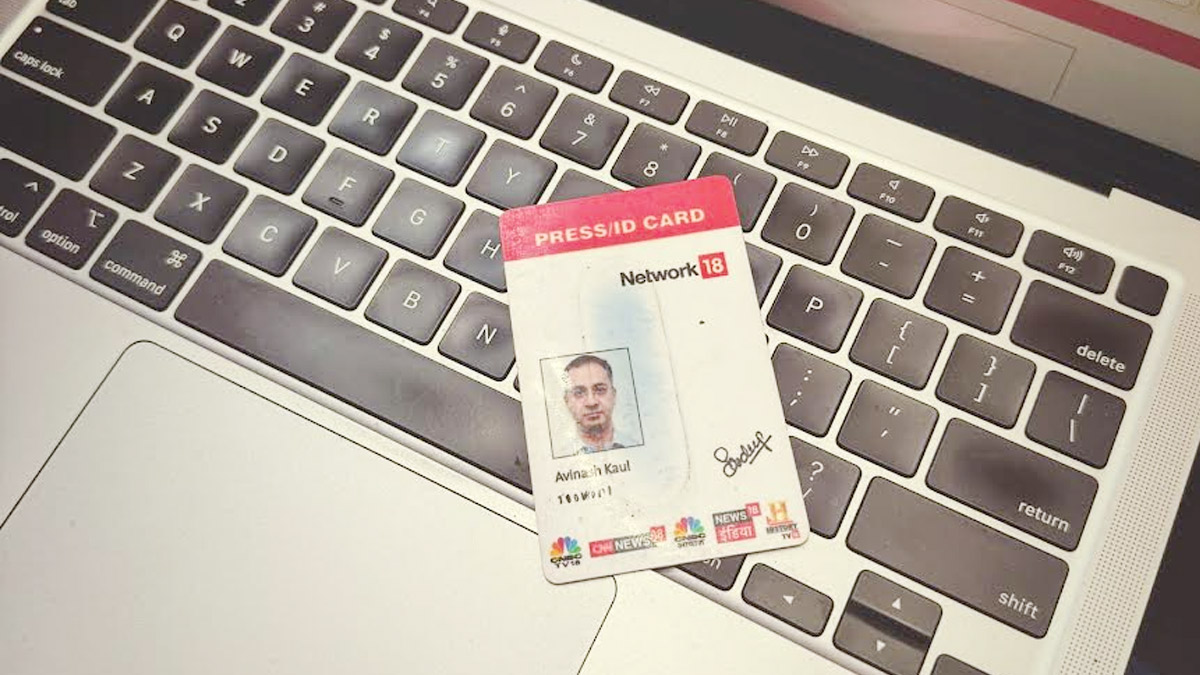
MUMBAI: Most farewell posts by senior media executives follow a familiar script: gratitude to leadership, a nod to the team, a hint of what lies ahead. Avinash Kaul’s is not that post.
Writing on LinkedIn on his last day at Network18 Media & Investments, where he spent nearly 12 years rising to chief executive, Kaul bypassed the boardroom entirely and directed his most heartfelt words at the people furthest from it: the security guard who greeted him before the building was fully awake, the fleet staff who drove him to airports at ungodly hours, the office assistants, the housekeeping teams, and the administrators who, as he put it, “held ten thousand invisible threads so the rest of us could look organised.”
“You packed my parachute,” he wrote. “Every day. Without fanfare, recognition, or ever asking for it.”
It was a striking note from a man who leaves behind a considerable operational record. Kaul joined Network18 managing three channels and exits with responsibility for 20, alongside a publishing business, a growing connected television footprint, and what he says is the highest revenue and highest channel share in the group’s history. He was quick to deflect the credit. “Not because of me. Because of 4,000 people who showed up, every day, in every department, across the country.”
To content teams across India, he issued a reminder that carries some weight given the pressures Indian news media currently faces. “Keep being custodians of trust for 700 million people. That is not a small thing. That is the whole thing.”
To colleagues in revenue and ratings who found him relentless and hard to satisfy, he was unapologetic but generous. “There was never a single moment of ill intent in my heart. Everything I pushed you towards came from one belief – that you were stronger than you knew, and I was not willing to let you settle for less than your real capability.” Those who believed him, he said, flew. Those who did not taught him to be a better communicator. He was grateful to both.
On what comes next, he offered a hint wrapped in metaphor. Something is being built, he said, prepared for “the way you pack a bag before a long climb. Not out of restlessness. Out of readiness.”
In a media landscape that rarely pauses to acknowledge the people who keep the lights on, it was, at the very least, a different kind of goodbye.