Brands
Partnership with Mumbai Indians creates multi-fold opportunity: Marriott’s Khushnooma Kapadia

MUMBAI: For the second year running now, Marriott Bonvoy – the globally awarded loyalty program by Marriott International – renewed its collaboration with Mumbai Indians with an exclusive series of experiences for its members during the IPL season. From a chance to go live on social media channels with their favourite player to availing of a family getaway with them, the events have been curated to offer unforgettable experiences. As part of its multi-year partnership with the cricket team, it has launched once-in-a-lifetime immersive experiences and moments for fans to closely feel the elation of engaging with their sporting idols.
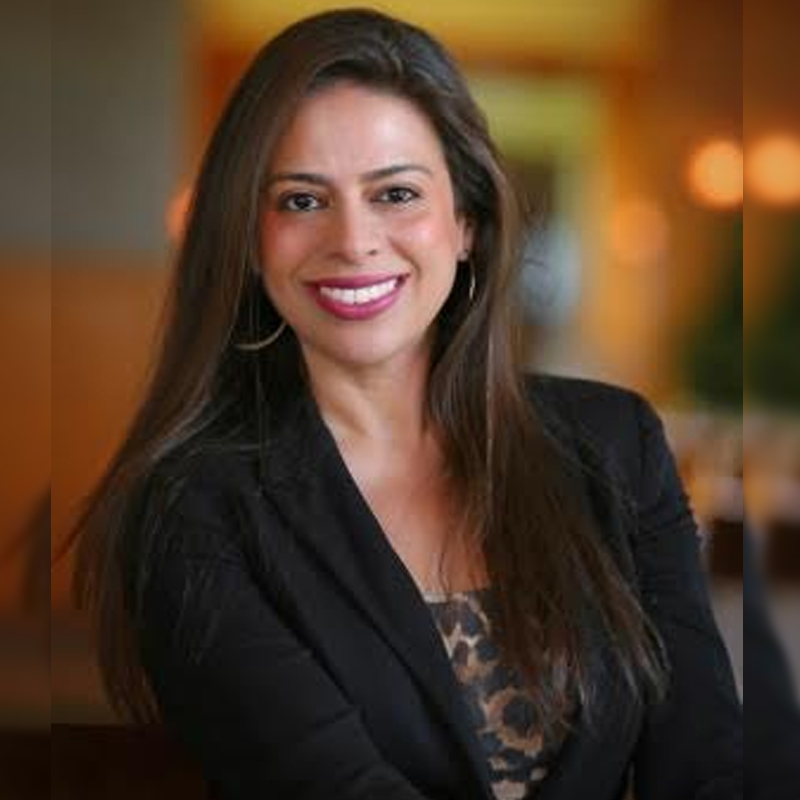
Indiantelevision.com’s Anupama Sajeet spoke to Marriott International’s senior area director of marketing – south Asia Khushnooma Kapadia about how the Group has been able to drive fan engagement when the league seems to have lost some of its aura, due to the lack of in-stadium experience for the second year in a row. As the country battles its second Covid wave, Kapadia also shared some of the significant learnings the pandemic taught last year, which holds them in good stead this year as well.
Edited excerpts:
On the success metrics of partnership with Mumbai Indians (MI) amid testing times.
We are very sensitive and extremely cognisant of what is the current environment and hence everything has gone into the virtual realm. Even the engagements and the moments we are providing are within the virtual space.
We had signed up with Mumbai Indians in January 2020, before the pandemic had actually struck India. But we haven’t negated our partnership – we have just made the best with what we have and created an opportunity out of it.
This entire program isn’t really dependent on travel dynamics. In the first year it was predominantly to amplify the awareness of our Marriott Bonvoy loyalty program. In fact, this year it is extremely critical for us to be out there with these kinds of strategic partnerships which help us to provide a more unique experience to our loyalty members, and to individuals who are not part of the loyalty program but have the facility to become part of it.
Even last year we saw great resonance to this alliance. The intention behind initiating such a program was to provide experiences which our members can cherish and relish, and it could be in the realm of sports, music, entertainment, culinary et al. Which is why we feel the partnership with IPL and Mumbai Indians will lend a greater synergy even over last year.
On conducting all experiences virtually instead of physically.
Clearly, this kind of partnership lends itself so much better when it’s a physical interaction or when you see a match live in the stadium. But nevertheless, we still do believe it will drive a lot of value to our members, especially in these bleak times.
There are some of the experiences we had planned, like hosting a dinner for the players and inviting our members for the exclusive VIP event, doing a coin toss with a special member on the field along with the MI captain – all of which are not going to be possible in today’s circumstances. But nevertheless, there are lots of other moments which we can still do virtually. One needs to operate with a level of optimism that is bordering on realism, not on fantasy.
On benefits as a loyalty partner with a team like Mumbai Indians.
There’s a multi-fold opportunity as a brand. It is the most premier team in the entire league – we have seen every time MI plays a match the TRPs are the highest. This time the team is unfortunately not playing in the home city, Mumbai, which would have given us the chance to host them in our hotels, as well. It also gives us the opportunity to create an entire MI engagement program in the premises of our lobbies and hotels. While the first year was all about creating awareness + engagement, this time it’s also about enrolment.
On the marketing mix to leverage the partnership.
Typically, our marketing strategy would be a 60:40 mix with 60 being on television and other offline mediums of advertising like newspapers, radio etc. But obviously we needed to bring a 360-degree shift into our marketing mix. So, we have strengthened our presence on digital and social media networks- Facebook, Instagram, digital channels like Spotify. The intensity of marketing this partnership for the next two and a half months is going to be heightened through our entire portfolio of hotels, as well.
On the long-term impact of Covid2019 on the hospitality industry.
The world has shifted in the way we are living or in the way we are going to live- that pretty much holds true for every aspect of our lives. Travel will change its dynamics as well, there’s no denying that. Business travel has changed, people have recognised the fact that there are ways to interact with people sitting across continents than actually travelling. People are going to become more cautious, conservative.
However, that said, we have seen last year also that as soon as things normalise people do not stop leisure travel. Today they have realised they would rather spend on experiences. A reflection of that is the kind of domestic travel we saw last year- so many virgin locations, boutique hotels boomed in this whole new travel dynamic because people could not travel internationally. Our JW Marriott in Goa and Mussoorie were thriving. India replaces China as the largest market for Maldives. So travel is never going to go out of fashion, only the way we consume it may change.
On key takeaways from the past year.
I think we all learnt we can take nothing for granted. What we learnt as a global chain is agility of operations, crisis management, pressure management – by living in a pressure-cooker environment, while also dealing with one’s personal dynamics, and that decision-making has to be quick as it could impact lives, business, everything. Also, making sure we provide stability to our employees, taking care of them through these traumatic times. These were some of the significant learnings that hold us in good stead this year, so whatever it is that gets thrown at us we are better prepared to deal with it.