MAM
Parle-G launches Ugadi film celebrating life’s sweet-bitter mix
Heartfelt ad in Kannada and Telugu ties Bevu Bella symbolism to shared joy.


MUMBAI: Parle-G just sweetened Ugadi with a bitter twist because life, like Bevu Bella, tastes best when you take both the neem and the jaggery together. Parle-G has released a special Ugadi film for audiences in Karnataka, Andhra Pradesh and Telangana, embracing the festival’s traditional Bevu Bella (or Ugadi Pachadi) as a metaphor for life’s blend of sweetness and bitterness. Created in Kannada and Telugu, the short film captures a relatable family moment, a young girl sulks after missing selection for her school cricket team, dismissing her elder sister’s attempts to cheer her up with past happy memories.
During Bevu Bella preparations, the elder sister arrives with only jaggery, sparking a protest from the younger one. That protest becomes the turning point, the sister gently explains that just as the ritual requires both jaggery’s sweetness and neem’s bitterness, life too brings ups and downs that must be embraced together. The realisation brings a smile and turns the preparation into a warm family celebration.
The story reinforces Parle-G’s enduring message of shared joy (“Jo auron ki khushi mein paaye apni khushi”) and builds on its iconic “G mane Genius” legacy by showing how small, shared moments strengthen bonds.

Parle Products vice president Mayank Shah said, “Parle-G has been a part of everyday moments in Indian homes for generations. Festivals give us a unique opportunity to celebrate regional traditions and connect with consumers in a way that feels personal and meaningful. Our Ugadi film draws from the symbolism of Bevu Bella and reflects values that resonate deeply with families.”
Thought Blurb Communications chief creative officer Vinod Kunj added, “Most Ugadi work showcases the celebration of the festival. We delved into what it means to the people of the region and stumbled upon a singularly unique ritual associated only with this festival. We loved the message it holds for the community and how that message is passed on to successive generations through a culinary ritual.”
Thought Blurb Communications national creative director Renu Somani Karwa noted, “This is a talking film that was born out of talking to the people. The ritual of Bevu Bella beautifully captures the essence of Ugadi, the idea that life is a mix of sweetness and bitterness. That insight inspired a small, warm story between two sisters.”
The film is live on Youtube in both languages Kannada and Telugu.
In a festival that tastes both bitter and sweet, Parle-G isn’t just reminding us to accept life’s flavours, it’s handing us a biscuit to chew on the lesson: the best moments are the ones we share, no matter how mixed the emotions.






MAM
Beacon Group appoints Dr Rajesh Patel as Group CEO
36-year healthcare veteran to lead Beacon Diagnostics, Vector Biotek, Biogeny.
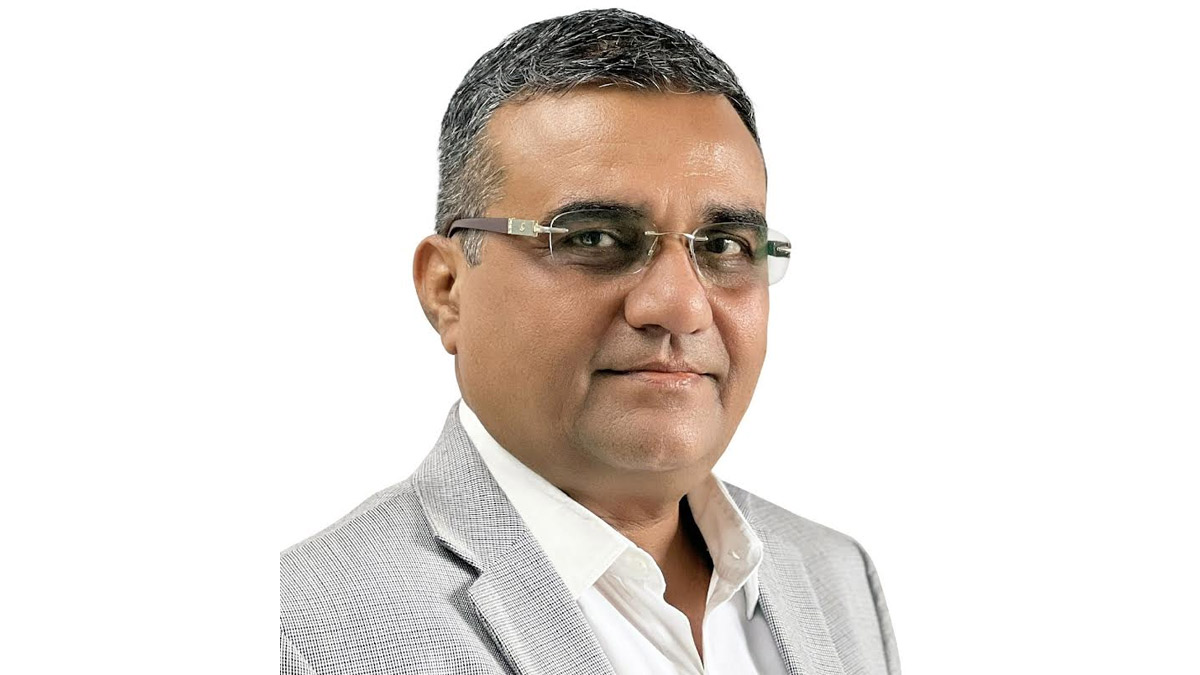
MUMBAI: A new chief, a fresh diagnosis and a sharper prescription for growth. Beacon Group has appointed Dr Rajesh Patel as its Group Chief Executive Officer, effective April 1, 2026, signalling a decisive push to scale its presence in the diagnostics and IVD space. Patel steps into the role with 36 years of experience across the healthcare and diagnostics industry, bringing a career shaped by leadership roles spanning sales, marketing, business development and operational strategy. His mandate is both expansive and precise: to steer the group’s overall strategic direction while tightening coordination across its three core entities Beacon Diagnostics, Vector Biotek and Biogeny Diagnostics.
In practical terms, that means driving cross-company synergies, accelerating market expansion and strengthening organisational capability areas increasingly critical as diagnostic players compete for scale in a fragmented yet rapidly evolving healthcare ecosystem. The group is positioning itself to capture unmet demand across chain laboratories, key accounts and standalone labs, segments that remain underserved despite growing diagnostic needs.
The appointment comes at a time when the In Vitro Diagnostics (IVD) sector in India is entering a more competitive and innovation-led phase, with companies focusing not just on product pipelines but also on service delivery, integration and customer-centric models. Beacon’s leadership appears to be betting that Patel’s execution-focused approach can help translate ambition into operational momentum.
Welcoming the appointment, Chairman Dr D K Joshi described Patel’s induction as a strategic move aligned with the group’s long-term vision, emphasising the role of leadership depth in navigating the next phase of growth.
For Beacon Group, the message is clear, in a sector where precision matters, leadership is the new differentiator—and this appointment is intended to set the tone for what comes next.






