MAM
Pakka teams up with brands & innovators to protect forests

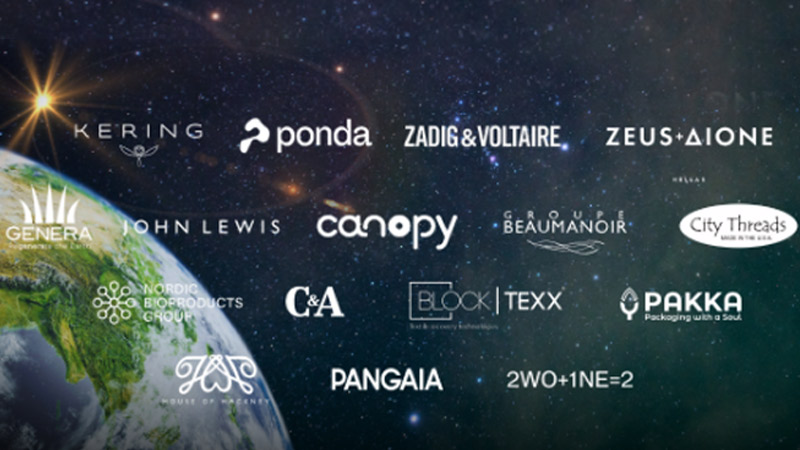
Mumbai: In celebration of Earth Day, Pakka – pioneers of compostable packaging manufacturers in India, along with other 14 companies have committed to end sourcing from ancient and endangered forests in their textile and packaging supply chains, demonstrating their dedication to people and the planet. This commitment is part of the CanopyStyle and Pack4Good initiatives from solutions-driven environmental not-for-profit Canopy. Other forward-thinking fashion and lifestyle brands in today’s announcement include John Lewis & Partners, Kering, Groupe Beaumanoir, Zadig & Voltaire, C&A, PANGAIA, City Threads, 2WO+1NE=2, Zeus + Dione, and House of Hackney.
Every year, 3.4 billion trees are cut down to make man-made cellulosic fibre (MMCF)-based textiles, like viscose and rayon, and for paper packaging. That is equivalent to two soccer pitches worth of forests being cut down every second. Beyond their commitment to preserving the world’s most climate and biodiversity-critical forests, these companies will also invest in low-carbon, circular fibre alternatives like Next Gen materials, and advocate for forest conservation and restoration globally.
As next gen innovators — Pakka and other organisations like BlockTexx, Genera, Nordic Bioproducts, and Ponda offer solutions technologies that range from packaging solutions made from miscanthus pulp, clothing waste, wheat straw, or hemp residues to high-quality pulps for textiles and wetland-regenerating fibres. These innovators offer creative and low-impact alternatives to forest fibre. As new governmental regulations around deforestation, climate, and eco-design come into play, trailblazers such as these will provide the circular, climate-friendly materials that global brands need.

Founded in Ayodhya in 1981 as Yash Papers Ltd, a leading manufacturer of low-grammage kraft paper, the company strategically forayed into sustainable packaging. It was rebranded as Yash Pakka in 2019 to align with the mission of creating and promoting compostable packaging solutions, rebranding once again in 2023 to emerge as Pakka Ltd. The company has established a global footprint, with its products accessible in over 40 countries and offices present in India, North America and it plans to establish a facility in Guatemala.




MAM
PwC India announces leadership change in Deals practice
Shashank Jain steps down as co-leader after nearly three decades with the firm.
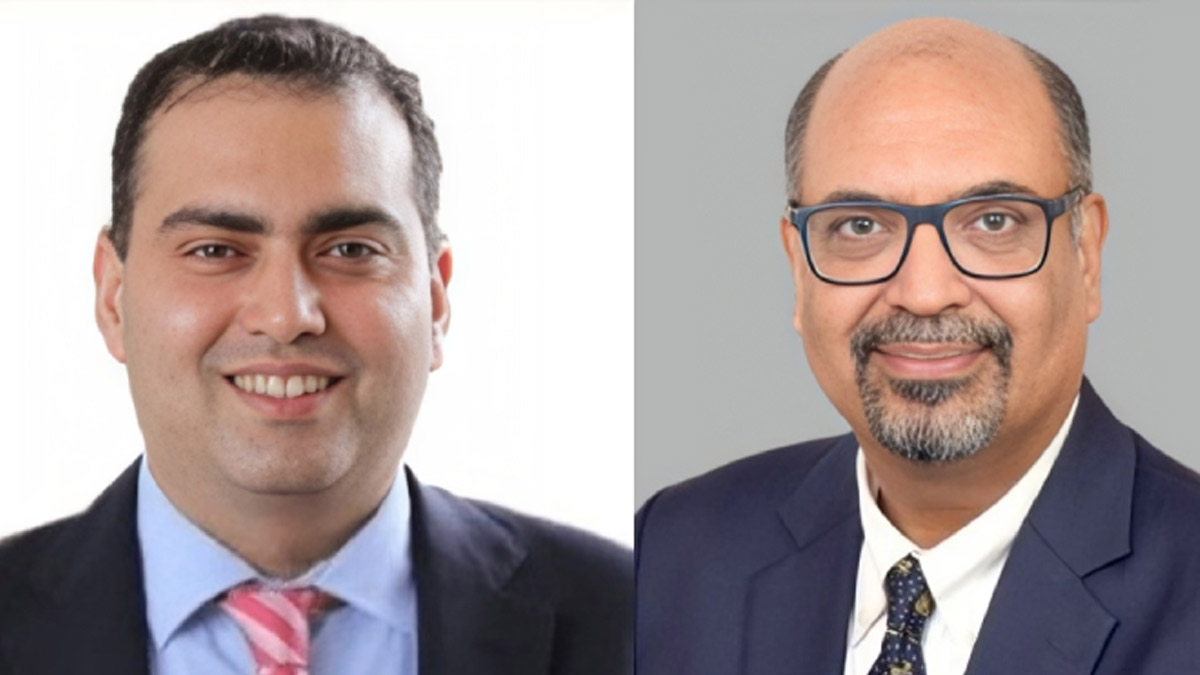
MUMBAI: When one dealmaker steps off the pitch, another is ready to take the baton because in the fast-moving world of transactions, the game never really stops. PwC India has announced a leadership transition in its Deals practice, with Shashank Jain stepping down from his role as co-leader to pursue an opportunity in the industry. The practice will continue to be led by Mohit Chopra, ensuring continuity and sustained growth momentum.
PwC India partner and leader for advisory dinesh Arora paid tribute to Jain’s contributions. “We deeply appreciate the significant contributions made by Shashank over close to three decades he has spent with PwC, particularly his defining role in shaping and strengthening our Transaction Services practice in India,” he said. Arora highlighted Jain’s support for clients through some of the most complex and significant transactions in the Indian market, noting his deep technical expertise, sound judgment and nuanced understanding of the evolving M&A landscape.
The Deals practice remains a key growth driver for PwC India, and the firm expects continued expansion under Mohit Chopra’s leadership. He will continue to guide clients through complex transactions and transformational business moments, building on the strong foundation established over the years.
Reflecting on his journey, Shashank Jain said, “I have had an exceptional journey at PwC. I owe my growth and learning to the nurturing environment and leadership development that PwC provided.” He added that he had been working closely with Mohit and the larger team to ensure a smooth transition and expressed confidence that Chopra would take the Deals practice to newer heights.
From intern to respected deals leader, Shashank Jain has clearly closed many successful transactions and now, it seems, he’s ready to strike a new deal of his own.