MAM
Painting by numbers India’s colour choices get a replay in 2025

MUMBAI: If walls could talk, India’s homes would tell a surprisingly consistent story. In a country known for its riot of hues, nearly half of Indian consumers quietly stuck to the same 20 shades through 2025 proof that when it comes to colour, comfort still trumps chaos.
That insight emerges from Birla Opus Replay, a first-of-its-kind national snapshot by Birla Opus Paints that looks back at how Indians actually painted their homes last year. Built on millions of real purchase decisions captured through Birla Opus Tinting Machines, the initiative skips trend forecasts and designer predictions, focusing instead on what people chose across towns, cities and seasons from Kupwara to Kanyakumari.
The data reveals a country balancing loyalty with occasional bursts of experimentation. While whites and neutrals dominated overall, warmer tones such as yellows, oranges and blues quietly claimed second and third place in household preferences, especially during festive moments.

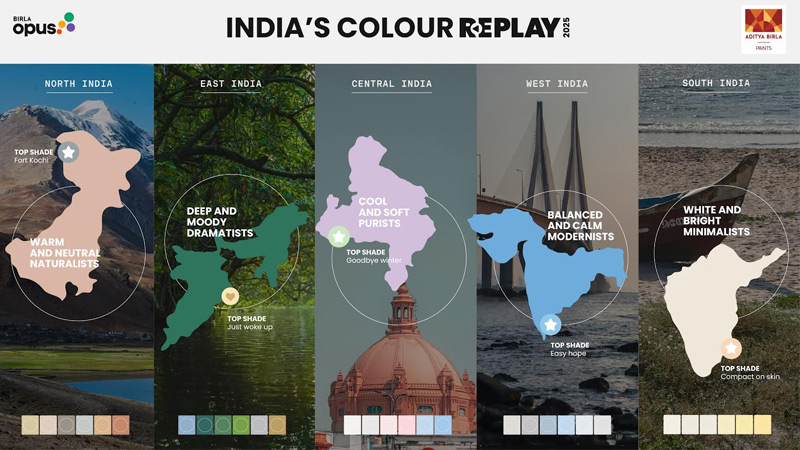
Leading the charts was Fort Kochi, a dark bluish-grey from the neutrals family, which emerged as India’s most travelled shade. More than 6 lakh litres were sold across 30,000-plus dealers, enough paint, Birla Opus estimates, to coat Mumbai’s Marine Drive multiple times over. Close behind was Morning Birdsong, a light bluish-grey that found its way into the homes of over 5 lakh consumers, making it one of the country’s most popular light neutrals.
Regional choices, meanwhile, painted distinct stories. North India leaned into earthy, muted palettes anchored by trusted neutrals, with Fort Kochi again leading the way. The South stood apart for its love of whites and light tones, a preference most pronounced in Kerala, where Compact on Skin, a pale orange, topped the charts. Western India favoured light, modern hues such as Easy Hope, a very light blue, reflecting contemporary urban architecture. East India gravitated towards richer midtones and darker hues, with Just Woke Up, a pale yellow, emerging as a regional favourite. Central India preferred cooler, nature-inspired colours, led by Goodbye Winter, a soft yellowish green.
Timing mattered too. Over 35,000 homes were painted during the onset of the monsoon, with blues and greens dominating choices. Diwali told a more split story: over 14,000 litres of vibrant festive shades were sold alongside 8,000-plus litres of minimalist whites, suggesting tradition and restraint comfortably co-exist.
What stands out is not just variety, but consistency. These patterns appeared across metros, tier-two cities and smaller markets alike, pointing to a nationwide confidence in familiar shades, tempered by seasonal curiosity.
By turning raw purchase data into a national colour diary, Birla Opus Replay offers a rare look at how Indians engage with colour not as abstract trends, but as everyday decisions shaped by emotion, occasion and trust. In a year of bold claims, India, it seems, painted thoughtfully.







MAM
Ameya Velankar steps down as Uber’s head of marketing for India & South Asia
Veteran marketer exits after more than seven years with the ride-hailing giant.
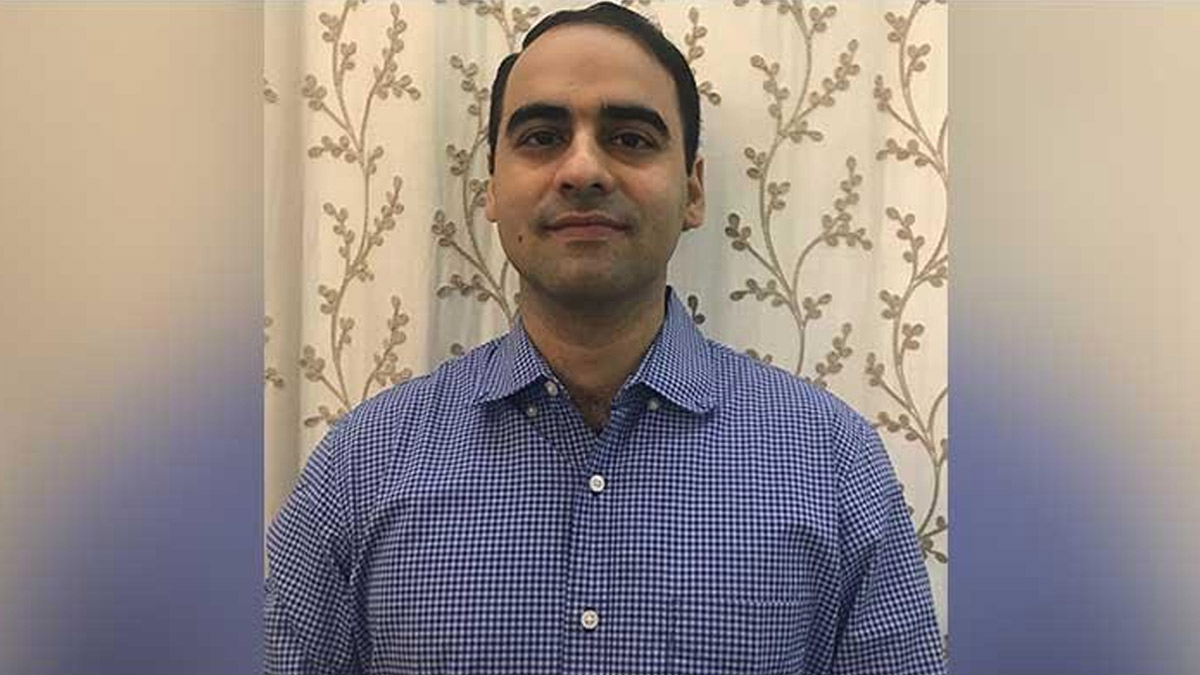
MUMBAI: After more than seven years of steering Uber through the bumpy roads of India’s mobility market, Ameya Velankar has decided to change lanes. Ameya Velankar has stepped down as Head of Marketing for India and South Asia, marking the end of a significant chapter at the ride-hailing company. He had been with Uber since 2019, taking on multiple roles in product and category marketing before rising to lead the marketing function for the region in 2021.
During his tenure, Velankar played a key role in strengthening Uber’s positioning in one of its most competitive and dynamic markets. He helped drive localised marketing strategies and scale adoption across key offerings such as Auto, Moto, Rentals and Intercity, tailoring global platforms to Indian consumer needs.
Prior to joining Uber, Velankar built his marketing expertise at leading consumer companies including SC Johnson and Marico, where he handled category and product leadership roles. His career began at RPG Enterprises.
Details of his next professional move have not been disclosed.
In a fast-evolving mobility landscape where brands constantly battle for attention, Ameya Velankar helped Uber stay relevant and resonant with millions of Indian users. As he moves on from the driver’s seat of marketing, the company will now look for fresh ideas to keep its wheels turning smoothly.






