MAM
OTT or not OTT: Streaming takes a starry U-turn in India

MUMBAI: OTT promised to disrupt, democratise and decentralise content.
But as of 2025, that promise is looking increasingly like a nostalgic trailer.
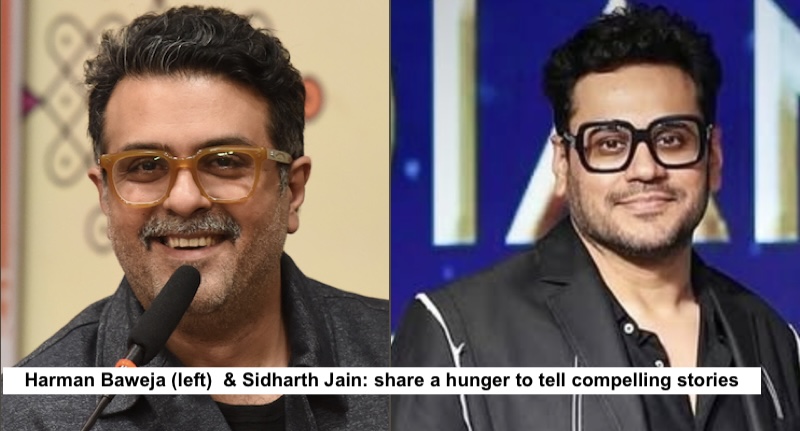
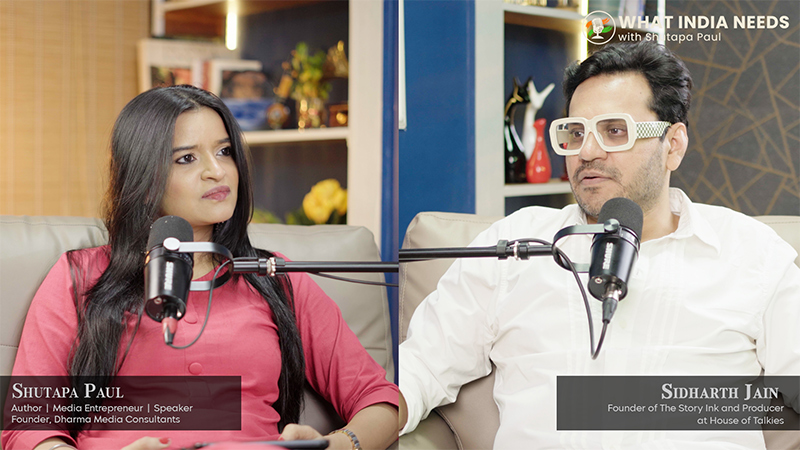
In the latest firecracker of an episode from the podcast What India Needs!, host and media entrepreneur Shutapa Paul sat down with content maven Sidharth Jain to lift the lid on Indian streaming’s messy midlife crisis.
Jain, the guy behind hit shows and sleepless nights for scriptwriters everywhere, joined Paul for a raw and revealing chat on what’s working, what’s worrisome, and what’s getting washed out in India’s $4.5 billion OTT pool – a figure projected to cannonball to $27.2 billion by 2033.
“The beauty of OTT is that there’s something for everyone,” Jain said, though he noted that grim, gritty narratives are slowly being benched in favour of feel-good, lighter content. Apparently, viewers want dopamine, not depression. And that shift is forcing creators to think pastel instead of pitch-black.
Paul took aim at censorship, calling out platforms for self-censoring and dodging anything remotely political. “Streaming platforms don’t want to commission or carry content which can be political or controversial,” she said. Jain didn’t disagree. “Why create something that could lead to legal battles and unnecessary trouble?” he added.
Under India’s IT Rules of 2021, platforms now navigate a vague maze of self-regulation, which has led to more red tape than revolution. Ambiguity is the enemy, and it’s pushing creators to pull punches before they’ve even picked up the pen.
So, is streaming still a playground for the underdog? Not quite. Jain threw shade on the idea of democratisation, noting how star-driven content and legacy studios have once again taken centre stage. “OTT was always about convenience… The real democratisation is happening on platforms like Youtube and social media, where anyone can create and share content,” he said.
In fact, OTT has started borrowing a page from the FMCG playbook. Star power is the new sugar, slick campaigns are the packaging, and your attention is the shelf space everyone wants. Jain pointed out that platforms now prefer faces that can light up billboards—and bring built-in followers to boot.
For those looking to break in, Jain offered a reality check, not a rose-tinted filter: “I would never recommend someone to enter this industry for an easy career. It’s easier to become a pilot or climb a mountain peak than find a sustainable career here.”
His advice?
Start scrappy.
Use Youtube.
Make short films.
Be consistent.
Be authentic.
And, above all, be ready to get punched in the creative gut before anything clicks.
The episode isn’t just a chinwag – it’s a crash course in surviving India’s streaming jungle. Jain and Paul unpack the evolution of OTT from a scrappy disruptor to a polished, star-backed machine that’s still figuring out where to go next. In a market with over 480 million OTT users and growing, the stakes – and expectations – are sky-high.
Watch link: https://open.spotify.com/episode/5yVct5K2dKP0VoMmtYtIBF?si=DEwz-r8xTwudBkrhqa7BHg