MAM
OMD ropes in MEC’s Stephen Li as Asia Pacific CEO

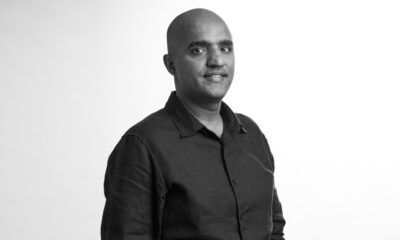
MUMBAI: OMD has appointed Stephen Li to lead the Asia Pacific region as its CEO. Li will replace Steve Blakeman, OMD’s current regional CEO who will be relocating to OMD in London in a senior, global role.
Li’s appointment will be effective from October 2015.
Li will be joining OMD from MEC where he is currently the regional CEO for Asia Pacific. Li has over two decades of experience in advertising, media and marketing communications. After holding senior roles with Batey and Lowe, and a role heading up WPP’s team HSBC in the region, Li moved to the media side of the business with MEC in 2005, where he quickly established a reputation of delivering profitability, efficiency and building a culture of positive change.
Omnicom Media Group CEO Asia Pacific Cheuk Chiang said, “We conducted an extensive and intensive search across the region to find OMD’s next leader, someone who is not only experienced, but capable of taking the OMD brand to the next level. Stephen’s proven track record in building strong client partnerships, driving digital growth, evangelizing creativity and inspiring teams is the perfect combination needed to ensure that a powerful brand like OMD stays at the forefront.”
On outgoing CEO, Steve Blakeman, Chiang added, “Steve has driven four years of continued success for OMD on all fronts – growth, thought leadership and creativity. OMD is currently one of the most awarded agencies in the region with a great competitive edge. He could not have left the brand in a stronger place and we can’t thank him enough for his leadership.”
“Asia Pacific is the fastest growing region in the world and vitally important as we continue to build a strong and consistent offering for our clients. The appointment of a leader of Stephen’s calibre will ensure OMD’s accelerated growth. Stephen’s strong client relationship skills and passion for innovation will be invaluable to OMD and I welcome him to the OMD family. Steve over the past few years has made countless contributions to our organisation and we are thankful for his leadership,” said OMD CEO Worldwide Mainardo de Nardis.
Li said, “OMD is a brand which epitomises creative communications planning, and I am delighted to have the opportunity to lead the brand in Asia Pacific. It’s going to be an exciting future and I am committed to driving OMD’s continued growth and ambition in the region.”
Li will be based in OMD’s regional headquarters in Singapore and he will report to Chiang and de Nardis.