Brands
Nvidia board reportedly weighs Jensen Huang’s future as CEO
Reports of alleged affairs and national security concerns put the chipmaker’s 33-year leadership under scrutiny


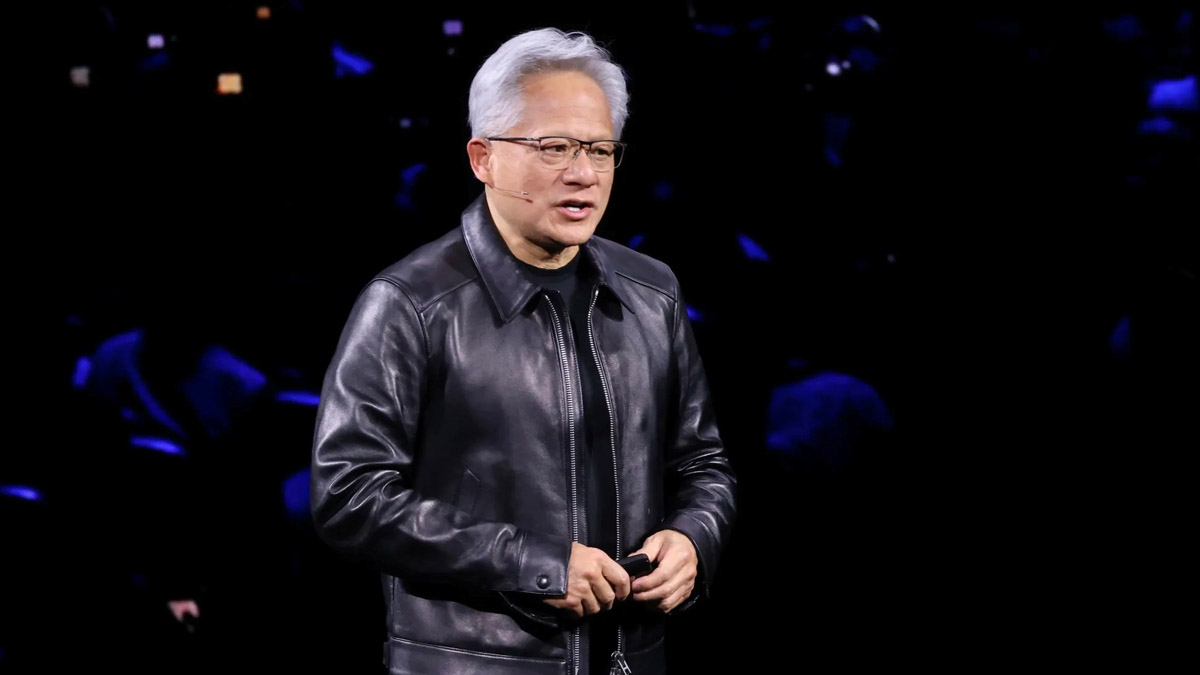
MUMBAI: Nvidia’s leadership is facing an unexpected stress test, and this time it has little to do with chip performance. Just three days after announcing an independent investigation into CEO Jensen Huang, the company’s board is reportedly preparing to discuss his future at the helm, following allegations involving an executive and a suspected Chinese spy.
According to a report by The Wall Street Journal, Nvidia’s board could meet as soon as 12 November to consider Huang’s position. The reported development follows an investigation announced by the company on Sunday, after allegations of an extramarital relationship between Huang and Alice Huang, who has been described in reports as a suspected Chinese spy.
The allegations first surfaced in a report by The New York Times on 29 October. The newspaper subsequently reported on 11 November that Huang had also allegedly been involved in a second affair with an executive who reported to him.
The claims have put the Nvidia chief under scrutiny on two fronts: questions about his personal conduct and concerns over whether the alleged relationships could have exposed the company to security risks. However, the reported board discussions do not amount to a confirmed decision to remove him. Nvidia has not announced any leadership change.
In its statement announcing the independent inquiry, Nvidia said the board considered US national and economic security paramount to the interests of the company and its shareholders.
“The Board prioritizes U.S. national and economic security, which is paramount to the interests of Nvidia and its shareholders,” the company said. It added that while it had no reason to believe national security or Nvidia secrets had been compromised, the inquiry would examine all available information.
The company also said Huang fully supported the review and had committed to co-operating with it.
The investigation is significant because the allegations go beyond questions of personal conduct. Nvidia’s technology sits at the centre of the global artificial intelligence boom, with its chips powering a vast range of AI models and data centre operations. Any indication that sensitive corporate information or technology could have been exposed would therefore carry implications well beyond the company’s boardroom.
At the same time, the available information does not establish that any security breach took place. Nvidia itself has said it has no reason to believe that national security or company secrets were compromised, while stating that its investigation will examine the matter.
Huang has also addressed the allegations in a letter to Nvidia employees, obtained by the BBC. In it, he admitted to being unfaithful and apologised for hurting his wife and children.
The letter adds a personal dimension to a controversy that has quickly become a corporate governance issue. The board’s inquiry, however, is focused on examining the available information, including any possible implications for Nvidia and its stakeholders.
Nvidia has not publicly confirmed the reported second relationship or announced the outcome of its investigation.
Huang is not just another chief executive facing a difficult week. He co-founded Nvidia and has led the company since 1993, making him one of the longest-serving and most recognisable leaders in the technology industry.
Under his leadership, Nvidia has evolved from a graphics chipmaker into a central supplier of the computing infrastructure powering the AI industry. Its processors are widely used by technology companies developing and operating large AI models, while demand for its data centre products has made the company one of the most influential players in the global technology market.
That makes any uncertainty over Huang’s position particularly consequential. A departure, if the board were to pursue one, would mark a major leadership transition for a company whose strategy and public identity have been closely associated with its co-founder for more than three decades.
For now, the reported board meeting and the independent investigation remain the key developments. Nvidia has not confirmed that it intends to remove Huang, and the outcome of the inquiry is not yet known.
IGN said it had contacted Nvidia for comment and would update its report once the company responded. Until then, the world’s most closely watched AI chipmaker has a different kind of processing underway: determining how its board handles a controversy involving the person who has led it since the early days.