
Brands
Nestle raises prices and cuts products as costs climb
CEO says energy, freight and raw material inflation is forcing portfolio changes


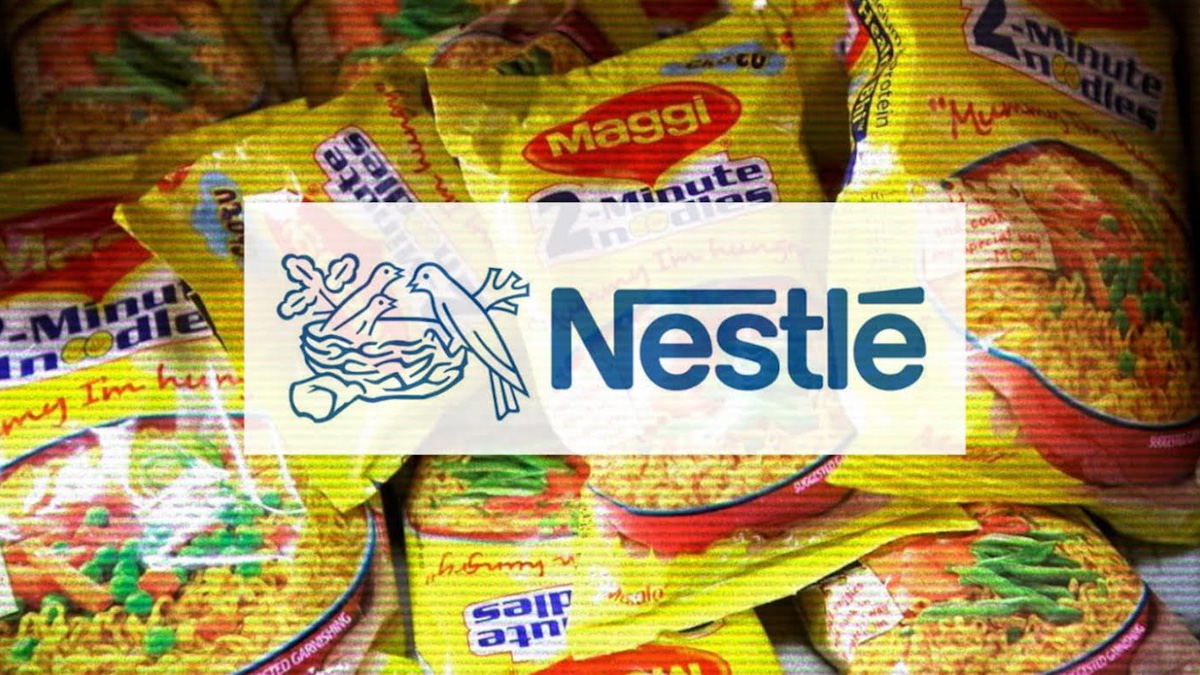
MUMBAI: The price squeeze is reaching the pantry, and Nestle is tightening its recipe for survival. The packaged food giant is raising prices, reformulating products and dropping items that consumers are unwilling to pay more for as energy, freight and raw material costs climb, CEO Philipp Navratil told Reuters.
While the six-month-old conflict in the Middle East has had limited direct impact on Nestle’s sales, Navratil said the disruption was feeding into inflationary pressures across the company’s global supply chain and raising costs for suppliers.
“Each and every supplier of ours will have some increase in costs,” Navratil told Reuters. The company will have to absorb some of those increases while ensuring consumers are willing to follow when prices have to rise, he said.
That is translating into a four-part response: higher prices where necessary, product reformulation, efficiency savings and removing products that consumers are no longer willing to pay more for.
Nestle’s direct exposure to the Middle East is relatively small, with the region accounting for around 2 per cent to 3 per cent of its roughly 90 billion Swiss francs ($111 billion) in annual sales. But the bigger concern is what happens outside the region, as disruption filters through energy, freight and commodity markets.
Navratil said the company is seeing the primary effects through inflation in the products and inputs it buys, making supply-chain costs the key pressure point even where sales are not directly affected.
The squeeze is not unique to Nestle. US consumer goods major Procter & Gamble is also preparing for a tougher cost environment and has previously estimated a $1 billion after-tax hit to fiscal 2027 profits.
P&G Chief Financial Officer Andre Schulten said oil prices above $100 a barrel, retaliatory Canadian tariffs on US goods and a shortage of drivers in the US were making operations more difficult.
“We all wake up every morning and something else happened,” Schulten said at a Barclays conference in Boston, highlighting the unpredictability facing consumer companies.
He added that pricing pressure would intensify the longer oil prices remained above $100 a barrel.
For packaged-food and consumer-goods companies, the challenge is becoming a delicate balancing act: pass enough of the higher costs to consumers to protect margins, but not so much that shoppers walk away. Nestle’s answer is already reaching beyond the price tag into what goes into the packet, which products stay on shelves and which ones get cut altogether.






