Brands
Nespresso expands into India with Delhi flagship

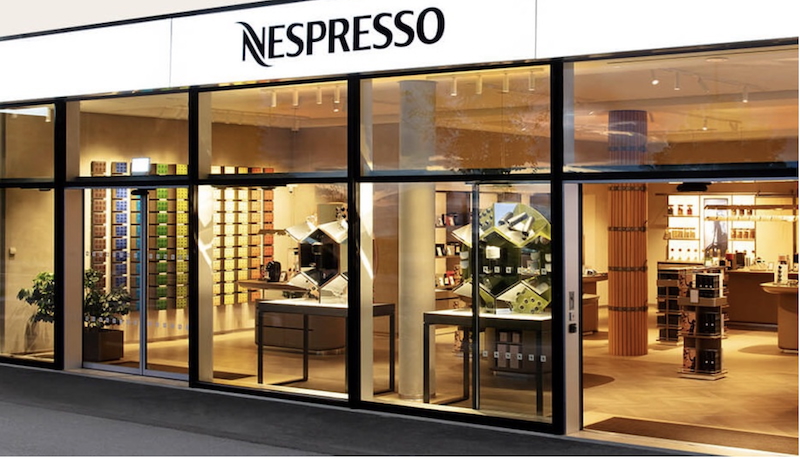
MUMBAI: Coffee connoisseurs can cheer. Nespresso, the Nestlé-owned premium coffee brand, has established its first Indian retail presence with a boutique in Delhi’s Select Citywalk Mall, marking a significant step in the firm’s Asian expansion strategy.
The Swiss company, which pioneered the premium single-serve coffee segment, has entered a market traditionally dominated by tea consumption but where urban coffee culture has gained substantial momentum in recent years. The company had initially entered the Indian market in late 2024 through e-commerce channels before committing to this brick-and-mortar investment.
Nespresso chief executive Philipp Navratil, highlighted the importance of physical retail in the firm’s market development approach. “This boutique will help us bring Nespresso’s product range to Indian coffee consumers in an immersive environment,” he noted at the launch event. The company appears to be replicating its successful retail strategy from other emerging markets, where experiential shopping has proven effective in building brand loyalty.

The Delhi boutique follows Nespresso’s established retail formula: trained coffee specialists offer tastings and personalised recommendations in a carefully designed environment showcasing both the firm’s coffee varieties and its machine range. This high-touch approach has served the brand well in other markets where coffee consumption patterns are evolving.
For Nestlé, the parent company with an already substantial presence in India, this expansion represents a strategic move into the premium segment.
“Coffee culture in India is evolving rapidly,” observed Nestlé India chairman & managing director Suresh Narayanan. “This launch reflects our commitment to deliver premium experiences to Indian consumers.”
The company has appointed Thakral Innovations as its official distribution partner in India, covering all Nespresso products across retail channels. This partnership model has been successfully deployed by Nespresso in other markets where specialised distribution expertise is required.
Notably, Nespresso has maintained supply chain connections in India since 2011, sourcing high-quality coffee through its sustainability programme. The firm currently works with approximately 2,000 Indian coffee farmers through its AAA Sustainable Quality initiative, which focuses on improving quality, productivity and environmental practices.
The Indian premium coffee market has shown resilience and growth potential despite economic headwinds, with urban consumers increasingly willing to spend on premium food and beverage experiences. Nespresso’s entry pits it against established players including Starbucks, which has operated in India since 2012 through a partnership with Tata Consumer Products.
Nespresso, which achieved B Corp certification in 2022, currently operates in 93 markets worldwide with a retail network of 791 boutiques. Whether the company can successfully cultivate a significant market in a country where tea remains the dominant hot beverage will be a key test of its globalisation strategy and the evolving tastes of Indian consumers.






Brands
Devyani International names Sandeep Anand, Robinder Singh in key roles
Pizza Hut and Costa Coffee businesses see leadership refresh from April
MUMBAI: Devyani International has strengthened its senior leadership bench with a fresh set of appointments across its key brands, Pizza Hut and Costa Coffee, signalling a sharper focus on growth and brand momentum.
The company has appointed Sandeep Anand as chief marketing officer and business head for Pizza Hut. His appointment, approved by the board via a circular resolution on April 3, follows a recommendation by the Nomination and Remuneration Committee, as reported by CNBC-TV18. Anand will officially step into the role on April 6, 2026.
He takes over from Vijay Gogate, who currently serves as chief executive officer for Pizza Hut within the company’s operations. The move marks a strategic transition as the brand looks to sharpen its marketing and business playbook in a competitive quick service restaurant market.
Anand brings over two decades of experience across the food and FMCG sectors, with a strong track record in brand building and innovation. His career spans roles at major consumer-facing companies including Domino’s, Zydus Wellness, Zomato, GSK Consumer Healthcare, Reckitt and Ranbaxy, giving him a well-rounded perspective on both scale and agility.
Alongside this, Robinder Singh has been appointed business head for Costa Coffee and the company’s airport operations. He too will assume his new role on April 6, bringing more than 18 years of experience in operations, business expansion and customer experience transformation.
The twin appointments come at a time when Devyani International is doubling down on leadership depth to steer its portfolio through evolving consumer preferences and heightened competition. With fresh faces at the helm of two key verticals, the company appears set to brew up its next phase of growth with renewed energy.






