MAM
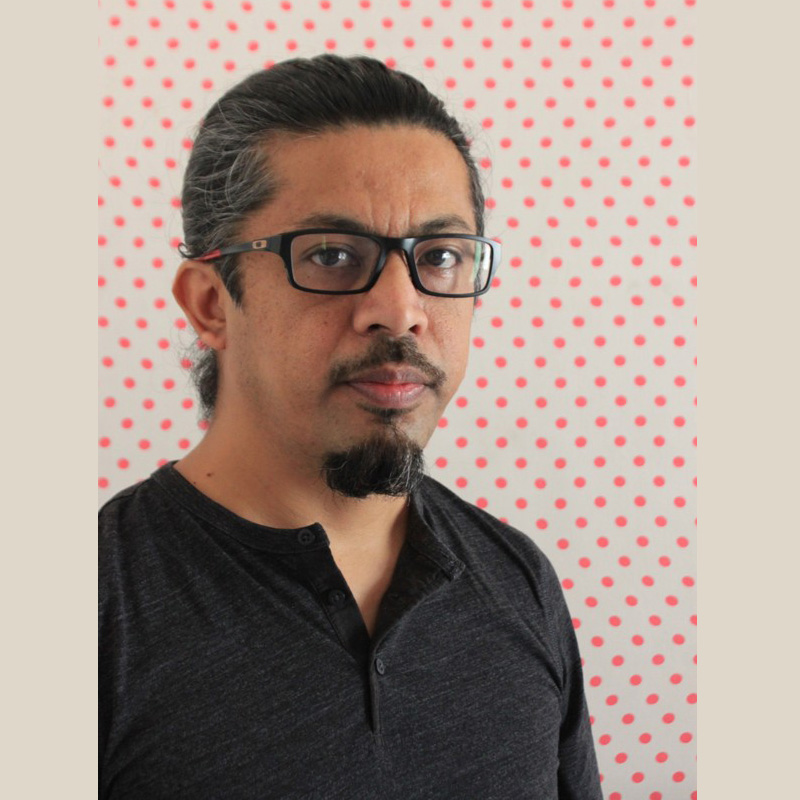
NavinTheeng has joined Havas Worldwide as Executive Creative Director, Gurgaon
MUMBAI: NavinTheeng has joined Havas Worldwide as Executive Creative Director, Gurgaon. He moves from Cheil Worldwide, Gurgaon where he was Group Creative Director leading a team handling Samsung mobiles, televisions and home appliances besides other business. Navin replaces the erstwhile ECD team of Nakul Sharma and TirthaGhosh.
“At Havas, we are working towards not just blurring the line between digital and traditional creative but completely erasing it. And a creative leader who is comfortable with and excited by both is what we needed. I think we have found that person in Navin”, said Nima DT Namchu, Chief Creative Officer, Havas Worldwide, India. Theeng will report to Namchu and will be responsible for digital and traditional creative output of Gurgaon office.
Welcoming Navin aboard, Chief Executive Officer, NirmalyaSen said – “Navin’s appointment is a part of our further strengthening of our already robust offering in Gurgaon. Navin brings with him not just an impressive track record as a creative mind, but also a reputation for leading his team to creative excellence. I wish him great success with Havas Worldwide.”
“It’s a bit of a homecoming”, said Theeng. This is his second stint at the agency after a fairly long first stint. “But other than that, everything has changed. Technology was a bit of a bugbear 10 years back, but now the possibilities are endless. You can expect to see more technology-infused ideas coming from Havas.”
In the 18 years he has been in the industry, Navin has worked with Bates, McCann Erickson, Euro RSCG, Rediffusion DY&R, Contract and Cheil handling brands across categories such as consumer durables, colas, airlines, mobile phones, liquor, real estate and sports.
Along the way, he has won accolades at Cannes, The One Show, New York Festival, Spikes Asia and Goafest Abbys with quite a few of the wins in the ‘Integrated Category led by Digital’.

Brands
Hyundai and TVS Motor partner to develop electric three wheelers
Joint development pact targets last mile mobility with localisation push
MUMBAI: Three wheels, one big ambition and a charge towards the future. Hyundai Motor Company and TVS Motor Company have signed a joint development agreement to co-create electric three-wheelers (E3Ws), aiming to crack India’s complex last-mile mobility puzzle. The collaboration moves beyond concept talk into execution mode, building on the E3W prototype first showcased at the Bharat Mobility Global Expo 2025. The goal now is clear, design, develop and commercialise a purpose-built vehicle tailored to Indian roads, riders and realities.
Under the agreement, Hyundai will lead design and co-development, bringing its global R&D muscle and human-centric engineering approach to the table. TVS Motor, meanwhile, will anchor the product on its electric platform, leveraging deep three-wheeler expertise and local market insight. It will also handle manufacturing and sales in India, with an eye on exports down the line.
The timing is strategic. India remains the world’s largest three-wheeler market, where affordability, durability and adaptability often outweigh sheer innovation. The upcoming E3W aims to strike that balance combining advanced technology with practical features such as adaptive ground clearance for monsoon-hit roads, improved thermal management for tropical climates, and flexible interiors suited for passengers, cargo or emergency use.
A key pillar of the partnership is localisation. Major components will be sourced and manufactured within India, a move expected to strengthen the domestic supply chain, create jobs, lower costs and improve after-sales support.
The shift from prototype to production will involve rigorous testing, certification and refinement to meet regulatory standards and consumer expectations. Dedicated cross-functional teams from both companies are already in place to accelerate timelines.
At a broader level, the tie-up reflects a growing trend in mobility, global players partnering with local specialists to navigate emerging markets. For Hyundai and TVS, the bet is that combining scale with street-level insight could unlock a new chapter in sustainable urban transport, one that runs not just on electricity, but on relevance.