
MAM
NABARD handloom fair clocks Rs 67 lakh in three-day sales
Exhibition brought 15 weaving traditions from 14 states to Mumbai’s BKC


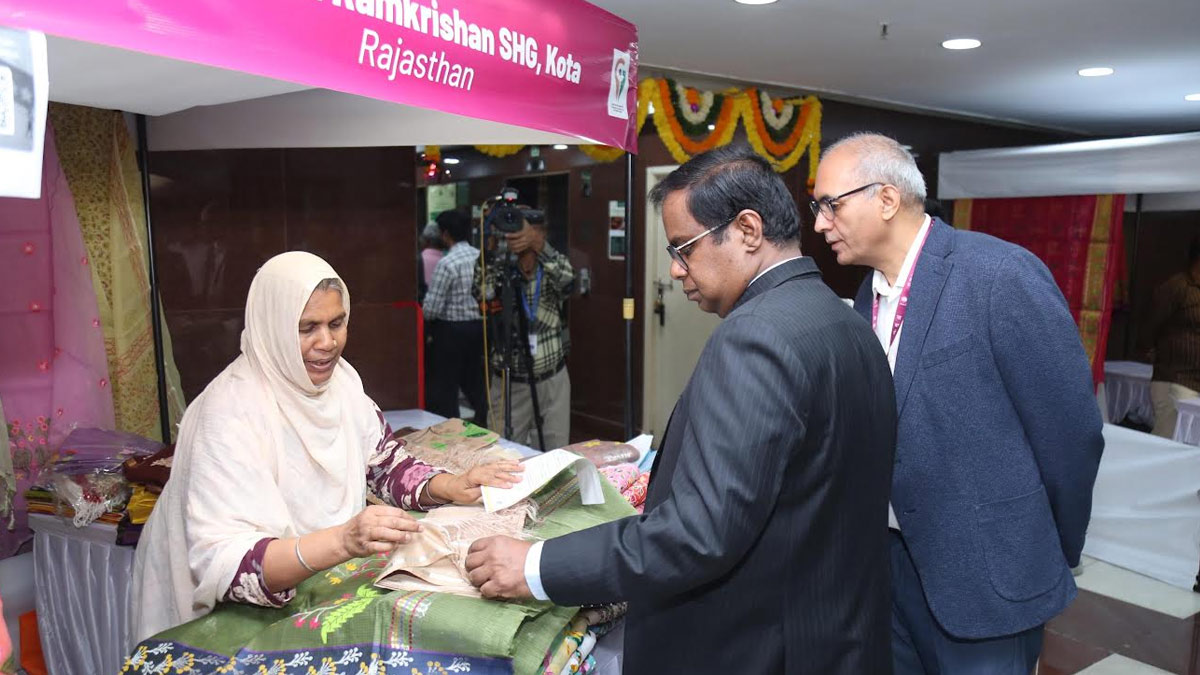
MUMBAI: India’s handloom heritage has woven itself into a tidy sales number. NABARD’s three-day National Handloom Day exhibition-cum-sale in Mumbai generated more than Rs 67 lakh in sales, bringing traditional weaving communities and urban shoppers under one roof.
Held from August 5 to 7 at NABARD’s head office in Bandra-Kurla Complex, the exhibition showcased 15 handloom traditions from 14 states, including nine products with geographical indication (GI) status.
The event was organised to give artisans direct access to consumers, strengthen market linkages and create opportunities for rural producers to expand beyond their traditional markets. The strong sales response also highlighted growing interest in handcrafted and region-specific products.
The exhibition featured Paithani from Maharashtra, Pochampally Ikat from Telangana, Kota Doriya from Rajasthan, Sambalpuri from Odisha, Bhagalpur Silk from Bihar and Kantha Stitch from West Bengal.
Other traditions on display included Kutch Shawls from Gujarat, Venkatagiri from Andhra Pradesh, Arani Silk from Tamil Nadu, Balaramapuram from Kerala, Mubarakpur Handloom from Uttar Pradesh, Ambala Handlooms from Haryana, Bagh from Madhya Pradesh, Bhagaiya Silk from Jharkhand and Uttariya from Karnataka.
The event also attempted to connect artisans with opportunities beyond physical retail. A buyer-seller meet on August 6 brought weavers and urban buyers together to discuss customer preferences, market requirements and potential business partnerships.
Digital commerce was another key focus. NABARD hosted an awareness session on the Open Network for Digital Commerce (ONDC) and MyStore on August 7, covering digital onboarding, e-commerce, branding, social media marketing, catalogue creation, inventory management and online selling.
The session was conducted by Ankita Kapur of Hippo Innovations. Artisans discussed the challenges of selling online and explored how digital platforms could help them reach customers outside their geographical markets.
The event also highlighted the importance of GI registration in building authenticity and market recognition. Padma Shri Rajanikant, GI expert and founder of Human Welfare Association, interacted with participating artisans and explained the benefits of GI registration and the process of becoming an authorised user.
NABARD chairman Shaji Krishnan V. said the exhibition brought together rural enterprise and culture while helping create stronger connections between rural producers and urban consumers.
He also highlighted handloom as a sustainable livelihood model, pointing to its contribution to climate resilience and environmentally responsible economic activity.
NABARD deputy managing director Ajay Kumar Sood congratulated participating artisans and organisations, stressing the importance of recognising rural craftsmanship while creating sustainable livelihood and market opportunities.
The exhibition also recognised participating artisans, with certificates presented to participants and trophies awarded to the three best stalls.
NABARD’s handloom push extends beyond the annual National Handloom Day event. The institution said 43 handloom products supported by it have secured GI registration, while 41 Rural Enterprise Producer Organisations have been formed in the handloom sector to strengthen collectivisation among producers.
The organisation also supports weavers participating in major exhibitions such as Mahalaxmi Saras, Surajkund International Crafts Mela and Grameen Bharat Mahotsav. Its recently launched Emporium initiative aims to give authentic rural products a dedicated platform for display and marketing.
National Handloom Day, observed on August 7, commemorates the Swadeshi Movement of 1905 and celebrates India’s weaving traditions and the communities that sustain them.
With Rs 67 lakh in sales, 15 traditions showcased and artisans getting a direct route to both buyers and digital marketplaces, NABARD’s latest initiative suggests that India’s centuries-old handloom story still has plenty of room to grow, provided the loom is connected to the right market.






