Brands
MTR Foods unveils new brand identity

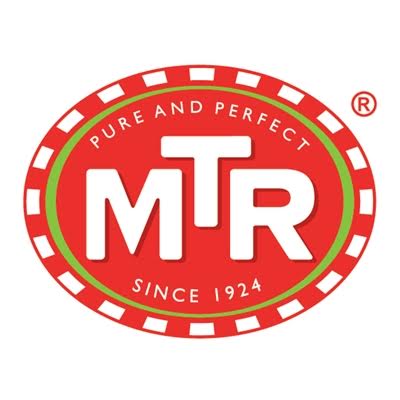
BENGALURU: MTR Foods Pvt. Ltd. announced the launch of its new brand identity with a new contemporary logo and packaging which will come into effect immediately, with the new packs hitting the market in May. MTR Foods is a subsidiary of the Norwegian conglomerate Orkla.
As a part of its growth strategy the company also announced the opening up of its new eCommerce site that will give consumers a clear access to the entire range of MTR’s 140 plus products.
MTR says that the rebranding reflects the company’s commitment to its dynamic key consumers, while personifying its transition to an innovative and relevant brand.
Emphasizing on the need for rebranding, MTR Foods CEO Sanjay Sharma said “Today’s consumers have evolved quite a bit – both in terms of their food preferences as well their consumption patterns. They prefer Indian food but perceive it to be cumbersome and time-consuming. Our brand is the flag bearer of innovative, easy-to-make, nutritious and authentic tasting products that take away the time dimension from cooking and make Indian food more accessible to consumers.”
“However, as a brand we needed to change to reflect who our key consumers are today. While the new brand identity better represents where the company is today, our detailed growth strategy will make MTR ready for the future. This is the new beginning for MTR Foods and we are confident that the changes we have undertaken and our new brand identity will make us a part of our consumers’ everyday lives,” Sharma explained.
Orkla Foods executive vice president and CEO Atle Vidar added, “Over the last three years, Orkla Foods has transformed into a leading Nordic branded consumer company that will play a more active role in partnering the growth of MTR Foods. We are very proud to be the owners of a brand like MTR and will continue to contribute to the growth of the brand with a seamless transition of best practises and consumer insights. The launch of the new brand identity reaffirms our symbiotic partnership and the path we are going to charter together.”
The brand also revealed a six-pronged growth strategy that it will execute for the next four years. This includes: A revamped communications strategy with increased emphasis on digital; Mega innovations that are category disruptive; increasing distribution by three times over the next four years; Investment of Rs 200 crore for scaling up manufacturing infrastructure; Exploring alternate channels of distribution; spending Rs 2 crore on sustainability and community building.