
MAM
Miq partners with Happydemics for India ad effectiveness push
Programmatic leader teams up with measurement platform to link media spend to real brand impact.


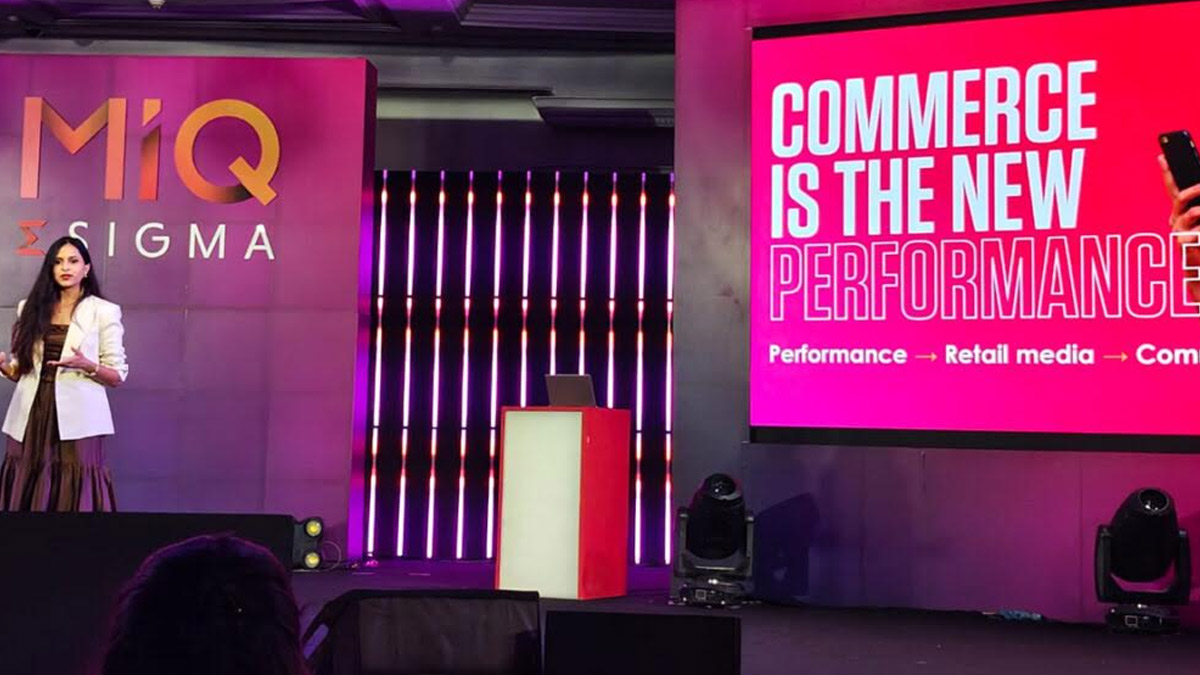
MUMBAI: Miq just found its perfect match because when programmatic muscle meets consumer sentiment, even the data starts blushing. Miq, a global programmatic leader, has announced a strategic marketing partnership with Happydemics, the global ad effectiveness and brand measurement platform. The collaboration in the Indian market aims to bridge the gap between real consumer sentiment and data-led media decisions.
As media planning grows more complex in 2026, brands are seeking deeper understanding beyond traditional performance metrics, especially for emerging channels like CTV. The partnership combines Miq India’s advanced media intelligence and activation capabilities with Happydemics’ consumer-centric measurement solutions.
This enables advertisers to connect media delivery to shifts in brand perception across key metrics such as familiarity, consideration and preference in a consistent and comparable way. By integrating feedback from exposed audiences, brands can better understand true campaign effectiveness and refine strategies in real time.
After conducting 48 key measurements using Happydemics, Miq was found to consistently outperform ad recall performance and overall impact score, landing in the top 10 per cent of industry benchmarks.
Miq chief commercial officer India Varun Mohan said, “Impactful measurement is at the core of how brands evaluate success today. This collaboration adds another layer of credibility and transparency to campaign evaluation.”
Happydemics chief marketing officer Virginie Chesnais added, “By combining MiQ India’s media expertise with our cross-channel brand lift solution, we can optimise brand outcomes and drive full-funnel growth at scale.”
The partnership builds on existing global collaborations between MiQ and Happydemics in France, the United Kingdom, Canada and now Southeast Asia. The India focus will support advertisers navigating evolving consumer behaviours while enabling the exchange of best practices across markets.
In a world drowning in metrics, MiQ and Happydemics are reminding brands that the real ROI isn’t just in clicks, it’s in the hearts and minds that actually remember your name.






