
Brands
Microsoft reshapes Copilot into an AI-powered work platform
New Home, Office, Code and Autopilot tools bring agents and automation into one workspace


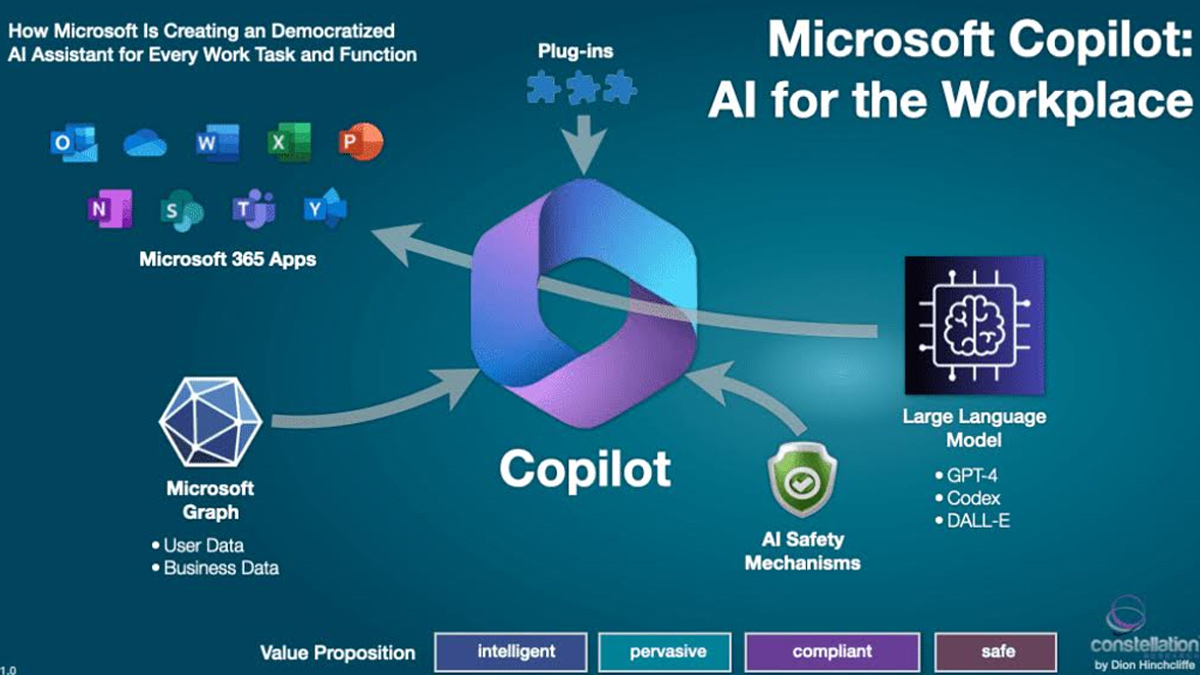
MUMBAI: Copilot is getting a much bigger job description. Microsoft is reshaping its AI assistant into a broader work platform that combines conversational help, autonomous agents, Office applications, software creation and automation under one roof.
The revamped Copilot experience brings together four key areas, Home, Office in Copilot, Code and Autopilot giving employees a single environment to ask questions, delegate assignments, build tools and automate recurring work.
The new Home experience combines Chat and Cowork. While Chat remains geared towards quick questions, research and drafting, Cowork is designed for larger assignments that can be handed to Copilot and completed end-to-end. Examples include preparing an RFP response, creating a launch kit, putting together a customer briefing or assembling a financial close package.
Microsoft also plans to eventually let users describe the outcome they want without deciding which tool should handle it. Copilot would determine whether the task is better suited to Chat, Cowork or Code.
Microsoft is bringing Word, Excel and PowerPoint capabilities directly into Copilot through Office in Copilot. Users can ask the system to create a launch brief, model a budget or build a presentation, with the output generated as editable Office files.
The integration is intended to keep work synchronised between Copilot and Microsoft 365 applications, allowing colleagues to collaborate within documents and see changes as they happen.
Microsoft is also introducing specialised capabilities through Skills, including financial expertise in Excel and legal workflows in Word, extending Copilot beyond general-purpose assistance into more specific professional tasks.
With Code, Microsoft is also pushing software creation beyond traditional developer teams. Employees can describe an application, dashboard, tracker, automation or workflow in natural language and have Copilot build it.
The resulting tools can include desktop widgets, interactive dashboards and cloud-hosted internal applications that can be shared with colleagues.
Code uses the same underlying technology as GitHub Copilot and operates in a sandboxed environment. Microsoft is also introducing Copilot Managed Runtime, allowing these applications to run inside an organisation’s Microsoft 365 environment while remaining subject to IT governance.
The biggest shift may come from Autopilot, Microsoft’s persistent AI agent previously known as Scout. Unlike a conventional chatbot that waits for every new instruction, Autopilot can be given an objective and continue working over time.
It can monitor channels, follow up on conversations, handle recurring tasks and resume projects after several days without another prompt. Microsoft gives the example of a supplier review where Autopilot could create the schedule and workback plan, manage meetings and preparation, and chase stakeholders for updates.
The agent has its own identity, memory, computer and workspace within an organisation’s tenant. It can work across Teams, Outlook, chats, channels and documents, while Microsoft says permissions, auditing and governance mechanisms remain under the organisation’s control.
Microsoft is also expanding the information Copilot can access through Microsoft IQ, its enterprise intelligence platform.
Fabric IQ brings data and semantic models from Power BI into Copilot, while integrations with Dynamics 365 and Power Platform allow the system to work with business data and workflows.
That could, for instance, allow a salesperson preparing a proposal to pull deal history and customer support information into the document without jumping between different applications.
A new plugin registry will also bring Microsoft, partner and custom-built plugins into one catalogue, giving IT teams a central place to approve and manage these capabilities.
As organisations move towards more autonomous AI, Microsoft is also changing how Copilot usage is managed and billed.
Everyday tasks such as questions, summaries and drafting remain covered by a user subscription licence. More intensive agentic capabilities, including Cowork, Code and Autopilot, will use usage-based billing.
Microsoft is expanding FinOps for AI alongside the new model, giving administrators tools to establish spending policies, control access to models and track usage. Employees will also be able to view their own credit consumption and remaining balances within Copilot.
The broader move marks a shift in how Microsoft is positioning Copilot from an AI assistant sitting alongside existing workplace software to a platform intended to orchestrate how work is researched, created, delegated, automated and completed.






