Brands
Meta unveils 100-gram VR Glasses with 3D cinema, sports and AI features
New headset-free device combines immersive entertainment, private workspace and hologram calls


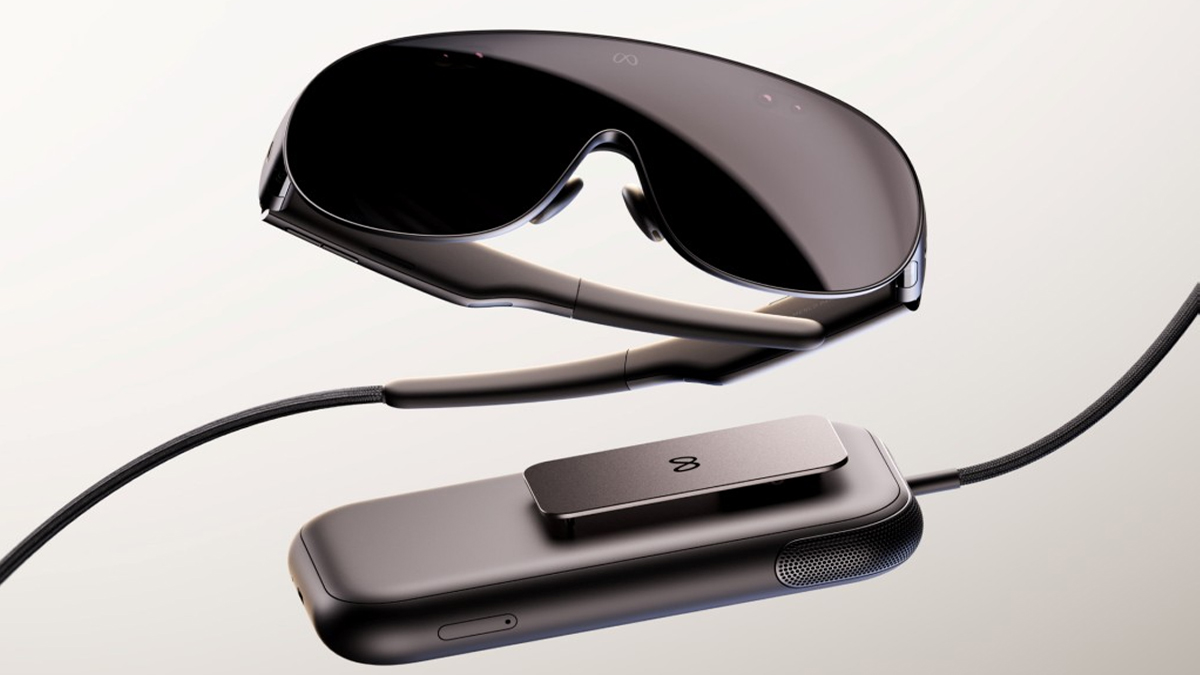
MUMBAI: Meta has unveiled Meta VR Glasses, a lightweight virtual reality device weighing about 100 grams that combines immersive cinema, live sports, gaming, AI-powered controls and a private virtual workspace in a glasses-style form factor.
Set to go on sale in spring 2027 for $1,299.99, the device is positioned as a new computing platform as much as a VR product. Meta said the glasses are designed for extended use without the straps and heavier hardware associated with conventional VR headsets.
Meta VR Glasses feature a 5K Infinite Display based on micro-OLED panels, delivering 37 pixels per degree, along with compact pancake lenses. The device supports Dolby Vision and Dolby Atmos spatial audio.
The glasses are the first IMAX Enhanced certified VR device, according to Meta, allowing users to experience select films in expanded aspect ratios and 3D.
Disney+ subscribers will be able to stream select movies in 3D from November in certain markets. Titles include Marvel’s The Avengers and Marvel Studios’ Black Panther. The Disney Immersive Cinema by ILM app will also offer VR Enhanced versions of films including Avengers: Infinity War and Star Wars: A New Hope.
Meta is working with streaming and entertainment platforms including Prime Video, YouTube, DIRECTV, AMC+, Crunchyroll, Plex, ESPN and Tubi. Peacock, HBO Max and Paramount+ are also bringing their 3D media catalogues to the platform.
The company said thousands of titles will be available internationally around launch, including 3D films from Lionsgate. Meta is also partnering with filmmaker James Cameron and Lightstorm Vision to bring selected blockbusters to 3D in 2027.
The device will also offer immersive sports viewing, with Meta promising more than 100 live immersive sporting events each year after launch through partnerships with MLB, NBC Sports, TNT Sports and UFC.
ESPN’s Immersive Sports experience will offer front-row views, 8K streaming and 180-degree video, beginning with college football this year on Meta Quest and expanding to other sports in 2027.
For gaming, Meta said more than 75 titles will support hand-gesture controls at launch. Users will also be able to access hundreds of additional games through Xbox Cloud Gaming.
Meta VR Glasses integrate the company’s Meta AI agent directly into the operating system. Users can interact with the device through voice, eye movements and natural hand gestures to perform tasks such as launching apps, playing content, adjusting their workspace and searching for information.
The glasses can create multiple virtual screens, allowing users to set up a private workspace wherever they are. Meta also said any flat surface can be turned into a virtual keyboard and touchpad, reducing the need for additional hardware.
The open-sided design and passthrough cameras allow users to remain aware of their surroundings while using the virtual workspace.
The glasses themselves handle sensors and display functions, while a separate computing puck connected through an optical tether houses the processor, battery and storage. Meta said the two-part design makes the glasses five times lighter than Meta Quest 3.
The device is powered by Qualcomm’s Snapdragon Reality Elite processor, while the puck provides up to three hours of continuous high-resolution media playback and supports 45W fast charging.
Meta is also introducing hologram calling, which creates a photorealistic digital representation of a user with real-time facial expressions and reactions.
During calls, holograms appear within the user’s surroundings with spatial audio designed to make conversations feel more like in-person interactions. The feature will work across calling platforms including WhatsApp and Zoom, with people joining from phones or computers also able to see the user’s hologram.
Meta VR Glasses are scheduled to launch in spring 2027 at $1,299.99, marking Meta’s latest attempt to combine virtual reality, AI, entertainment and everyday computing in a glasses-sized device.