Brands
Mercedes-Benz India bets on plug-in hybrids as it targets record sales
Santosh Iyer sees a 5 to 6 per cent price premium as the carmaker reports record nine-month sales of 15,190 units


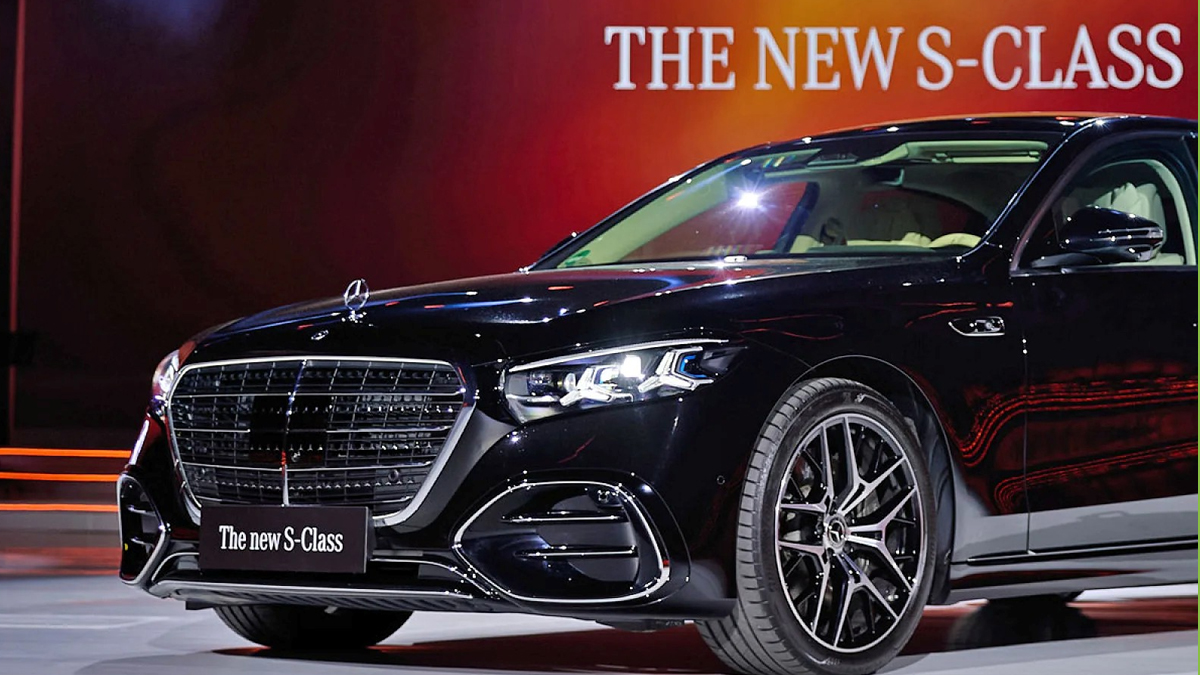
MUMBAI: For luxury car buyers caught between the plug and the petrol pump, Mercedes-Benz India is offering a middle road. The carmaker expects plug-in hybrid vehicles to find buyers in the premium segment, combining electric driving for everyday journeys with a conventional engine for longer trips and days when charging is inconvenient.
Mercedes-Benz India CEO Santosh Iyer told PTI that the technology could appeal to customers concerned about charging infrastructure and the driving range of fully electric vehicles. Plug-in hybrids pair an electric motor and battery with an internal combustion engine, allowing drivers to switch between electric power and fuel depending on their journey.
Iyer pointed to the Mercedes-Maybach S-Class hybrid as an example, citing an electric driving range of 100 km enough, he said, to cover routine trips such as the daily commute. The proposition is straightforward: electric driving for everyday use, with the engine available when the battery needs a break.
That flexibility comes at a cost. Iyer said plug-in hybrids carry a price premium of around 5 to 6 per cent over comparable electric or combustion-engine models. He nevertheless expects luxury buyers to consider the additional outlay worthwhile, given the convenience, flexibility and potential for better resale value compared with fully electric vehicles.
The company is expanding its plug-in hybrid line-up in India. The technology has debuted in the Mercedes-Maybach S-Class, while the E53 AMG plug-in hybrid has also been introduced, with deliveries already under way. Deliveries of the S-Class and Mercedes-Maybach S-Class plug-in hybrid models are expected to begin by the end of October.
For Mercedes-Benz, the technology offers an additional option for customers still weighing the benefits of electrification against the practicalities of charging access and longer-distance travel.
The hybrid push comes as Mercedes-Benz India looks to make 2026 its strongest year yet, despite limited vehicle availability. Iyer told Moneycontrol that inventory levels had fallen to among their lowest since the Covid pandemic, restricting how many cars the company could sell even as demand remained healthy.
The carmaker is maintaining its forecast of single-digit growth for the October-December quarter. It is also on track to achieve its highest-ever annual sales, Iyer said, despite the supply constraints.
Mercedes-Benz India sold 15,190 cars between January and September 2026, up 7.5 per cent from 14,132 units in the corresponding period last year. Sales in the July-September quarter rose 5.9 per cent year on year to 5,422 units, marking a 17 per cent increase over the preceding quarter. Both the nine-month and quarterly figures were records for the company in India.
The annual target is not without a benchmark. Mercedes-Benz India sold 19,007 vehicles in 2025, down 2.9 per cent from 19,565 units in 2024. To set a new annual record in 2026, it will need to surpass the 2024 total.
The nine-month tally leaves the company with 4,375 units to match its 2024 record, although the final outcome will depend partly on vehicle availability and deliveries in the remaining months.
With plug-in hybrids adding another powertrain option and sales already at record levels for the first nine months, Mercedes-Benz India is trying to keep both its electrification strategy and its growth ambitions in gear. The challenge is to turn demand into deliveries when supply remains tight.