Brands
Mercedes-Benz bets bigger on India with new models, technology expansion: CEO Ola Kallenius
Ola Kallenius says India offers talent, technology and manufacturing strength for global growth


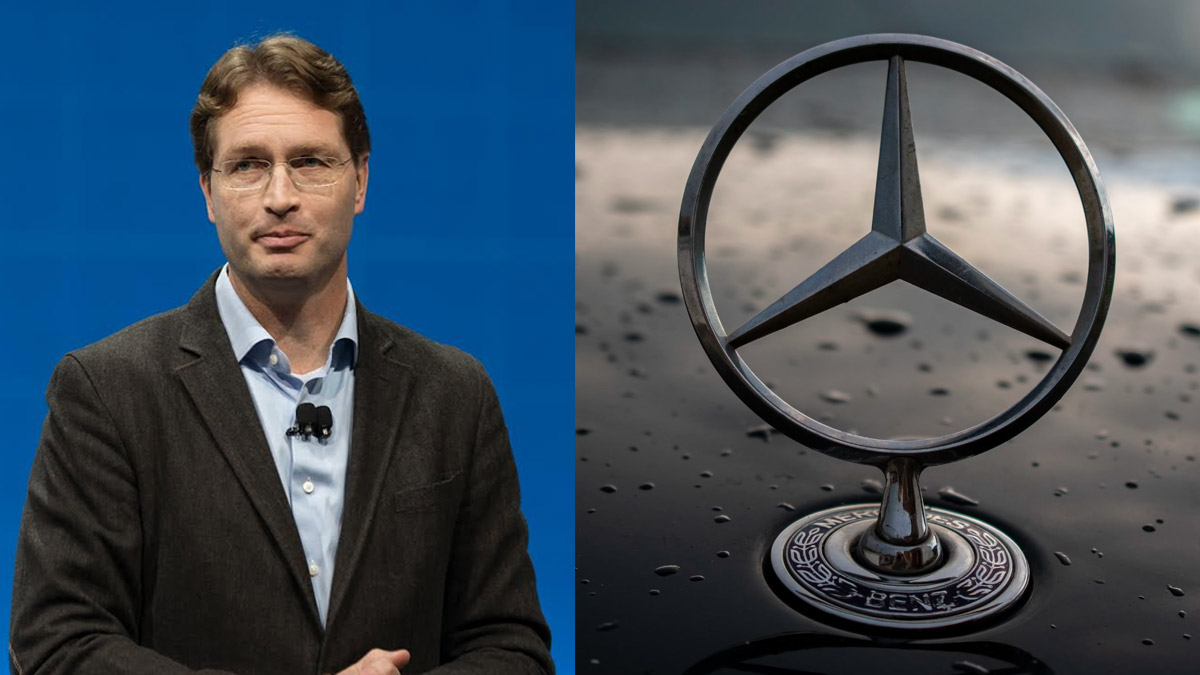
MUMBAI: Mercedes-Benz is not just driving deeper into India, it is looking to build more of its global journey here.
The German luxury automaker sees India as a key growth market as well as an increasingly important technology hub, with chief executive officer Ola Kallenius signalling plans for several more model launches in the country over the coming years.
Addressing the Society of Indian Automobile Manufacturers (SIAM) Annual Convention 2026 virtually in Delhi on Thursday, Kallenius said the company had established a strong presence in India and was preparing to build on it.
“Mercedes is a well-established brand in India. We have grown. We’re going to launch many more models in the next few years to come,” he said.
The comments point to a long-term strategy for Mercedes-Benz in India rather than a focus limited to expanding vehicle sales. Kallenius said the company would align its industrial operations with its ambitions for the market, signalling the possibility of deeper localisation and manufacturing activity as the business grows.
For Mercedes-Benz, India’s appeal goes well beyond its growing pool of luxury-car buyers.
Kallenius highlighted the country’s talent, creativity, technological capabilities and expanding manufacturing and supplier ecosystem as key advantages for a global original equipment manufacturer.
He described India as a major source of talent, intelligence, competence and technological expertise, alongside a production and supply ecosystem that is becoming increasingly capable.
“So, in a kind of way, India is no different than Germany,” Kallenius said, adding that while Mercedes-Benz happened to start its business in Germany, India now offers the broad range of capabilities needed by a technology-focused global automaker to thrive.
That technology connection is already visible in Mercedes-Benz’s operations in the country.
The company’s Bengaluru research and development centre is its largest such facility outside Europe, employing more than 8,500 engineers and technologists working on projects for the company’s global operations.
The centre has also been involved in developing MB.OS, Mercedes-Benz’s software platform for its next generation of vehicles, underlining India’s growing role in the company’s shift towards software-led automotive technology.
The expanding technology and supplier ecosystem could give Mercedes-Benz an opportunity to use India not only as a market but also as a base for global engineering and development.
The company’s comments come as automakers increasingly look at India for engineering talent, software development, component sourcing and manufacturing, alongside domestic vehicle demand.
For Mercedes-Benz, that combination is particularly relevant as the automotive industry moves towards connected, software-defined and electrified vehicles, areas where engineering and technology capabilities are becoming as important as traditional manufacturing.
Kallenius’s remarks also suggest that future investment will be shaped by the company’s confidence in India’s wider industrial ecosystem. As more models are introduced, the company is expected to assess its production and supply operations accordingly.
With a growing technology workforce, a large engineering base and an expanding supplier ecosystem, India is increasingly becoming more than a destination for Mercedes-Benz vehicles. For the German automaker, it is emerging as a market, engineering centre and potential production hub rolled into one.