AD Agencies
Mattress firm Wakefit throws down the gauntlet to Netflix in battle for India’s shut-eye

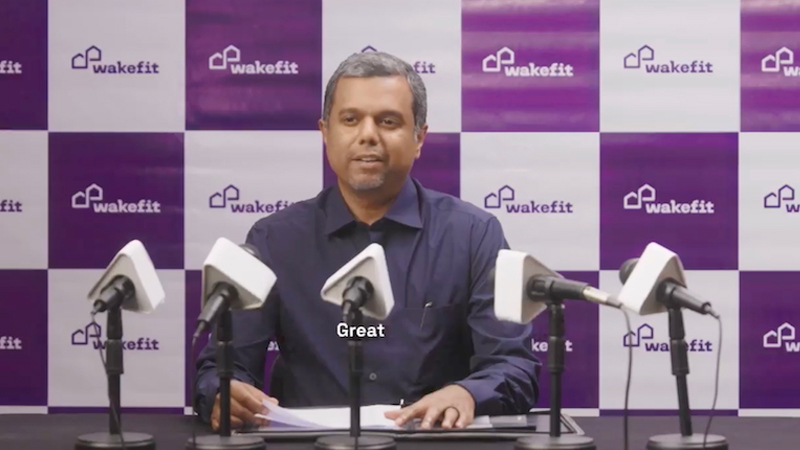
MUMBAI: In a ballsy marketing campaign that’s got the attention of the advertising world, Indian mattress maker Wakefit has taken a full-page broadside at streaming behemoth Netflix, cheekily positioning the US giant as its direct competitor in the battle for Indians’ bedtime hours.
The eye-catching advert, splashed across mainline newspapers nationwide, references Netflix co-founder Reed Hastings’ infamous 2017 quip that “sleep” was their biggest competitor—a joke that’s turned into a bloody nightmare for millions of Indians, according to Wakefit.
“In India, the joke came true,” proclaims the advert with undisguised glee. “According to Wakefit’s Great Indian Sleep Scorecard 2025, 51 per cent Indians blame binge-watching for late nights, and one in three of us have insomnia. Happy now, Mr Co-founder?”

 The cheeky campaign, timed to coincide with World Sleep Day which was on 14 March, sees Wakefit positioning itself as the plucky David to streaming’s Goliath, declaring “sleep a.k.a. Wakefit is competing back” with what the company has dubbed “sleep-tech vs screen-tech” and “now sleeping vs now streaming.”
Wakefit co-founder Chaitanya Ramalingegowda didn’t stop at print. The savvy entrepreneur took to social media with a video of himself reading the advert, further amplifying the message that’s struck a chord with knackered Indians nationwide.
“May ‘du-dumm’ become the sound of India crashing on a Wakefit mattress,” the advert proclaims in a cheeky reference to Netflix’s iconic sound logo. “The road is long. It may take several seasons to beat the competition. But this show is never getting cancelled.”
Not content with mere verbal sparring, Wakefit is backing its fighting talk with action, offering punters up to 55 per cent off all mattresses until 16 March—a commercial sweetener that’s got cash-conscious consumers sitting up in their beds.
The campaign dovetails perfectly with this year’s World Sleep Day theme: “Make Sleep Health a Priority.” The annual awareness day, organised by the World Sleep Society, aims to elevate conversations around sleep health globally at a time when digital distractions are at an all-time high.
Industry analysts are calling Wakefit’s campaign a masterstroke in challenger brand marketing. By positioning streaming giants as the villain in India’s sleep crisis narrative, the mattress maker has effectively elevated itself from flogging bedroom furniture to championing a public health cause.
With Netflix raking in billions globally while Indians increasingly struggle to catch their forty winks, Wakefit’s provocative question—”Happy now, Mr Co-founder?”—might just be keeping a few streaming executives up at night for a change.




AD Agencies
ABBY Awards 2026 names Rajdeepak Das, Khazanchi, Ramaswamy jury chairs
Top creative leaders to steer judging across film and direct categories
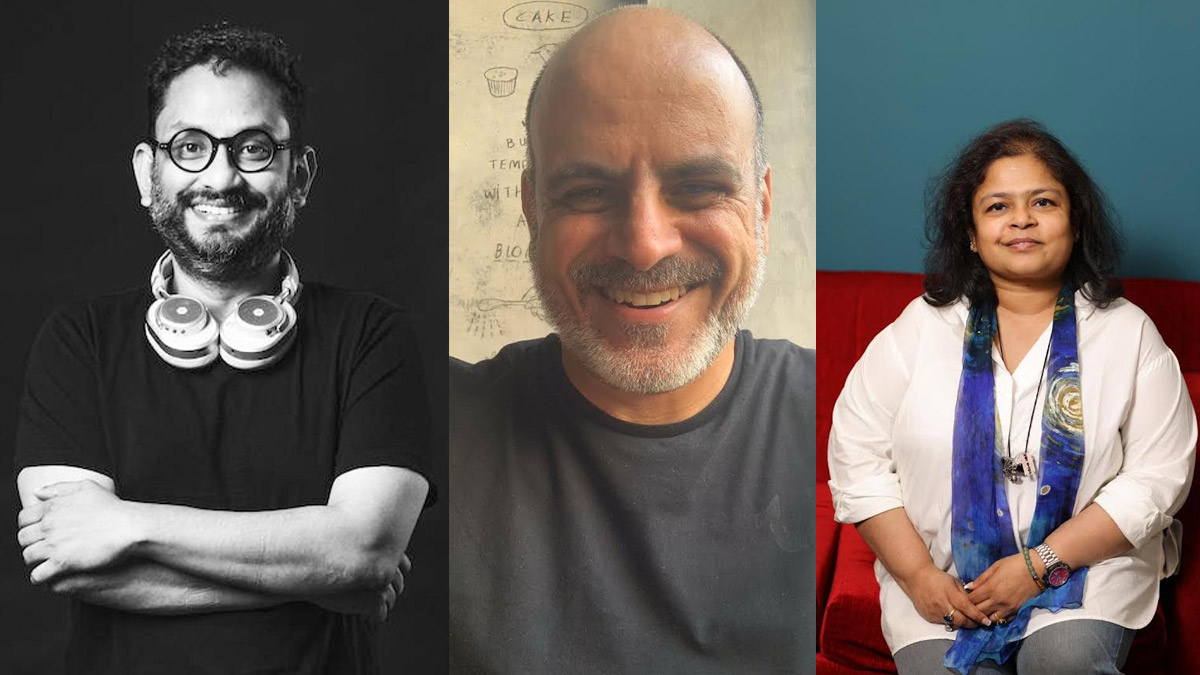
MUMBAI: The Ad Club has announced the appointment of three of India’s most prominent creative leaders as jury chairs for the ABBY Awards 2026, powered by The One Club.
Rajdeepak Das, chief creative officer, South Asia, Publicis Groupe and chairman, South Asia, Leo Burnett, will chair the AV Film (TV) category. Ashish Khazanchi, managing partner at Enormous, will lead the AV Film (Digital and OTT) jury, while Anupama Ramaswamy, managing director and chief creative officer at Havas Creative India, takes charge of the Direct category.
The trio brings a mix of creative firepower and industry experience to the judging table. Das is known for blending creativity with technology to solve real-world problems, with landmark campaigns such as Whisper’s “Touch the Pickle” and “Missing Chapter” helping reshape conversations around menstrual health. His work has earned top honours at global platforms including Cannes Lions and The One Show.
Khazanchi, meanwhile, has built Enormous into one of India’s leading independent agencies. Best known for creating Tata Sky’s “Jingalala” campaign, he has played a key role in shaping brand narratives for both legacy companies and startups, picking up hundreds of awards along the way.
Ramaswamy’s appointment rounds off the leadership trio with a strong focus on culturally resonant creativity. Her campaign “Ink of Democracy” became one of the most awarded works globally in 2025, earning multiple honours across Cannes Lions, Clio and Spikes Asia. Over the years, she has built a reputation for work that not only wins awards but also shapes public discourse.
The appointments come as the ABBY Awards continue to sharpen their global positioning, with backing from The One Club adding international heft to the platform.
The awards will be held during Goafest 2026 from May 20 to 22 at Taj Cidade de Goa Horizon, bringing together the industry’s top creative minds for what promises to be a closely watched showcase of ideas.
With heavyweight jury chairs in place, the stage is set for a high-stakes celebration of creativity where craft, culture and commerce collide.






