MAM
Maserati appoints Hamdy Elshantoury as head of overseas region

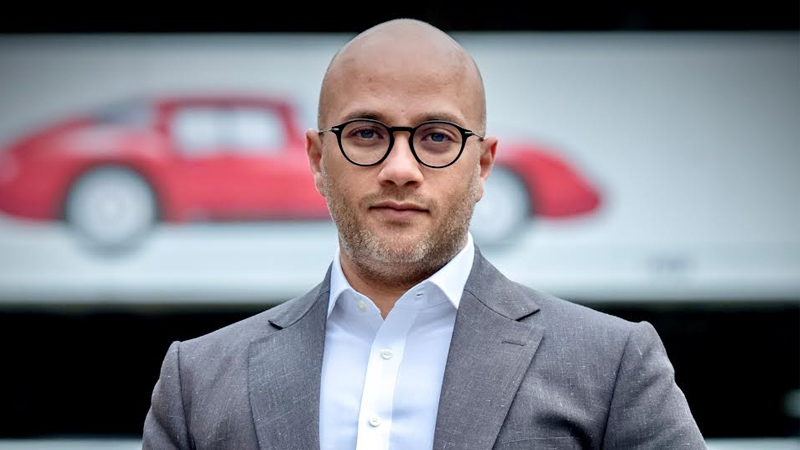
Mumbai: Maserati kicks off 2024 by announcing the creation of the new overseas region, expected to give the Italian luxury manufacturer’s markets a new business configuration. Hamdy Elshantoury is appointed as the new head of the region, starting from 1 January.
With this latest addition, Maserati’s new market organisation now consists of five regions, namely: US & Canada (North America), Europe, China, Japan & Korea, and the newly created overseas.
With the new overseas region, Maserati is reshaping the borders of its worldwide organisation. It is redistributing some of markets that were previously part of the former regions and has merged them into a completely new one, with a relevant marketing team ready to act as a gateway for partners and the dealer network in everyday activities and initiatives.
Alongside with the new head of the overseas region, Hamdy Elshantoury – who is also maintaining ad interim responsibility for MEA – Wong Yi Mui Wallace has been appointed responsible for SEAP & India markets and Marco Spadaro has taken responsibility for the East Europe and Latin American markets.
The decision to add the new overseas region was made as a result of Maserati’s commitment to serving every market, to implement focus, growth, and expanding relationships with the relevant players; the aim is to seize every opportunity and meet the differing requirements of the various business structures.
The region head and the regional functions will be based in Italy, at Maserati’s headquarters in Modena, to deeply connect the new Overseas Region leadership team with central management and make the support to markets and decision-making process faster and more effective. Conversely, the market management team will remain in the region with close contacts to their countries.
Maserati CEO Davide Grasso: “We are pleased to begin the year with the announcement of a new global region and the appointment of Hamdy Elshantoury as its head. Maserati operates in more than 70 markets around the world and the creation of a fifth region confirms the intention to give our business an even more precise and specific configuration at a global level, to better cover and respond to individual market requirements, and to give each area the attention it requires to improve its development and efficiency.”