Connect with us

Digital

L&K Saatchi & Saatchi India’s new film for Zee Sarthak challenges menstrual discrimination

Published

on

Mumbai: L&K Saatchi & Saatchi, part of Publicis Groupe India, has unveiled a thought-provoking film to celebrate the ‘Naali Bindu’ (Red Dot) initiative by Zee Sarthak, an Odia general entertainment channel.

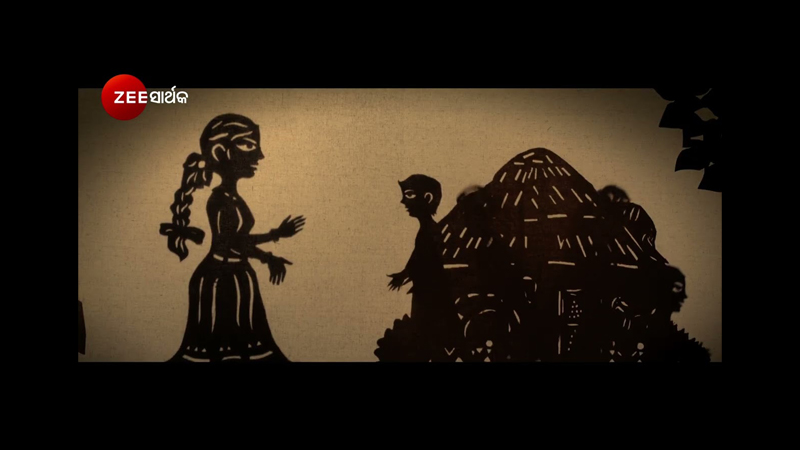
The initiative addresses the continued isolation faced by approximately 28 per cent of girls in India while having their periods, perpetuated by the misbelief that their shadows are impure. Using ‘Rabana Chhaya’, a dying traditional art form of shadow puppetry from Odisha, the film poignantly portrays the story of a girl subjected to this taboo and orthodox belief. Its powerful narrative aims to raise awareness and challenge menstrual discrimination.

The use of shadow puppetry in the campaign is symbolic; it reflects the shadowy stigma surrounding menstruation and challenges the notion that something as natural as a girl’s shadow can be impure. Odisha is a unique state where menstruation is celebrated during the Raja Parba festival. This cultural backdrop provides a powerful contrast to prevailing societal beliefs. The film will be aired on both television and digital platforms.

Advertisement

L&K Saatchi & Saatchi India’s ability to craft impactful narratives aligns perfectly with Zee Sarthak’s mission to challenge regressive norms. This campaign is a testament to the agency’s capacity to empower brands and communities, fostering deeper connections and promoting social progress.

L&K Saatchi & Saatchi India chief creative officer Rohit Malkani said, “Our association with Zee Sarthak and Nali Bindu is something we hold very dear. Every year, the entire team including our client puts on their thinking caps a month or so before Raja Parba to create a piece of communication that endears, cuts through and most importantly undoes a social knot. This year we are super proud of a creative output that not only seeks to highlight a social prejudice but revives a traditional art form as well.”

Advertisement

Zee Sarthak chief channel officer Pratik Seal added, “As a channel deeply rooted in cultural contexts, we understand the importance of addressing and challenging regressive norms. Our Naali Bindu initiative is an effort to eradicate menstrual discrimination and promote dignity and respect for young girls. By using Rabana Chhaya, we not only bring attention to a critical issue but also honour a traditional art form, thus driving impact and cultural significance.”


Click to comment

Leave a Reply

Your email address will not be published. Required fields are marked *

Digital

India leads global adoption of ChatGPT Images 2.0 in first week

From anime avatars to fantasy covers, users turn AI visuals into culture

Published

on

NEW DELHI: India has emerged as the largest user base for ChatGPT Images 2.0, just a week after its launch by OpenAI, underlining the country’s growing influence on global internet trends.

While the tool was introduced as an advanced image-generation upgrade within ChatGPT, Indian users are quickly reshaping its purpose. Instead of sticking to productivity-led use cases, many are embracing it as a creative playground for self-expression, storytelling and online identity.

From anime-style portraits and cinematic headshots to tarot-inspired visuals and fictional newspaper front pages, the model is being used to create highly stylised, shareable content. Features such as accurate text rendering, multilingual prompts and the ability to generate detailed visuals with minimal input have helped drive rapid adoption.

Advertisement

What sets the latest model apart is its ability to “think” through prompts, generating multiple outputs and adapting to context, including real-time web inputs. But the bigger story lies in how users are engaging with it.

In India, trends are already taking shape. Popular formats include dramatic studio-style lighting edits, LinkedIn-ready headshots, manga-inspired avatars, soft pastel “spring” aesthetics, AI-led fashion moodboards, paparazzi-style visuals and fantasy newspaper covers. Users are also restoring old photographs, creating tarot-style imagery and experimenting with futuristic design concepts.

Local flavour is adding another layer. Prompts such as cinematic portrait collages and Y2K-inspired romantic edits are gaining traction, blending global aesthetics with distinctly Indian internet culture.

Advertisement

The surge reflects a broader shift in how AI tools are being used in the country, moving beyond utility to creativity. As younger users, creators and social media enthusiasts experiment with new visual formats, AI-generated imagery is increasingly becoming part of everyday digital expression.

If early trends hold, ChatGPT Images 2.0 may not just be a tech upgrade but a cultural moment, giving millions a new visual language to play with online.

Advertisement
Continue Reading

Advertisement News18
Advertisement
Advertisement
Advertisement
Advertisement Whtasapp
Advertisement Year Enders

Indian Television Dot Com Pvt Ltd

Signup for news and special offers!

Copyright © 2026 Indian Television Dot Com PVT LTD