MAM
Limited workforce in office, copy fatigue: Immediate challenges facing ad industry


NEW DELHI: The past two months have been nothing short of a rollercoaster for industries across categories and nationalities. With most of the world under a strict lockdown, production halted, supply-chains blocked, and consumer demand shifting to only essentials, the economy went through a whirlwind of issues. Also greatly impacted was the marketing and advertising industry, as a result of the dwindling cash liquidity and many brands going silent in the time of crisis.
However, things seem to be moving towards the better now. Lockdown restrictions have been eased greatly, green zones are already attracting consumers, and there is a lot of supposed pent-up demand to address. As brands start moving and earning, a lot of benefits will slowly be transferred to the advertising industry.
Wunderman Thompson South Asia chairman and group CEO Tarun Rai said, “While the crisis in India is still far from over, the relaxation is a sign of hope. It is also a reflection on the strikingly varied impact the crisis has had on different regions of the country. While there are still issues regarding both production and distribution, the clients I have spoken to are finding innovative ways of getting around them. For many categories, this is the time to dust off their marketing campaigns and start getting ready for the beginnings of positive consumer sentiment. Like the crisis came upon us suddenly the rebound may surprise us too. Marketers and brands should be ready.”

Dentsu One president Harjot Singh Narang added, “Investments in brand and marketing are sadly the first to go in a downturn but luckily come back really fast as soon as the businesses start seeing growth potential coming back. The relaxations are the first steps to inching back for now and so would be welcome by everyone. The real question would be how long before this inching ahead gathers some speed and opportunity to use brand and marketing as business drivers returns.”
There, however, are still some impending challenges that await the industry. Havas Group CEO Rana Barua argues that the next few months will be more testing. “There will be numerous challenges going forward; going back to work poses more challenges than working from home. We cannot jump the gun and start behaving as normal. We need to collectively behave and act responsibly which will ensure compliance while we are planning to go back to work, safety for all employees, managing both offices and also working from home, balancing client needs and expectations.”
Madison Media chief analytics officer Nagraj Krishnamurthy noted, “The industry is continuing to find it difficult to ensure supply chain continuity between the designated red, orange and green zones. Latest relaxation has eased the problem but not eliminated it. It will be at least a quarter before the last mile link to the consumer becomes operational pan India.”
Putting emphasis on the issues that the advertising industry will have to cater to, he added, “Usually, new copies are rolled out in the first quarter. However, this year, there are no new copies that are ready. Some clients are in a dilemma as to whether they can invest behind older copies. My suggestion to them is that they should unless the message is no more relevant. Analytics has proved that copy fatigue is a very rare phenomenon.”
“Secondly, the situation on the ground is not uniform across the country. Marketers are wondering whether they should go on mass media like television. If the campaign is to activate top-funnel metrics, they should advertise on TV. However, brands advertising to activate lower-funnel metrics like retail or auto can look at geo-targeted digital approaches.”
Rai highlighted that the safety and health of the agency’s employees are going to be of paramount importance. “We want to get back to our physical offices but want to be very sure that all the health protocols are in place. We are working effectively from home but getting back to work will give everyone a sense of normalcy. We will start slow, in one city first, with around 30 per cent of our staff and move forward from there. The other important aspect is going to be when video production is permitted. We are managing even now but it is difficult.”
Narang added, “Extended work from home, deeper thinking on brand relationships, strategies to navigate the months/full year of acute slowdown, strategies to tackle the adverse P&L impacts, and so many more immediate challenges face all of us in the industry. If change is the only constant then evolution and adaptation are the only necessities. Going ahead relaxations and new rules and ways will affect even more – how things change for the industry. However, the key will be to see how the industry and individual players in it evolve and adapt. In the next 18 months, leadership and thinking that enables pivoting to adapt to new realities will be the biggest need of this industry.”






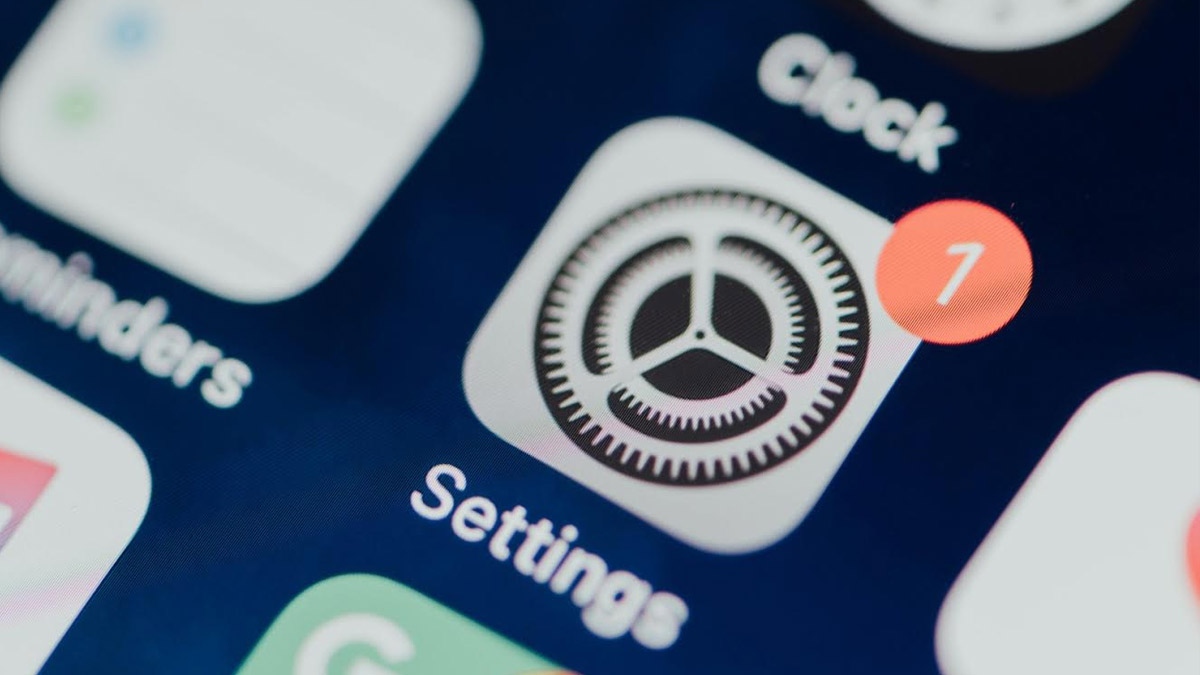
Apple rarely announces minor updates with much fanfare, and iOS 26.4 is no exception. No dramatic redesigns, no flashy keynote moments. What it delivers instead is a focused set of improvements that sharpen the experience you already have. If that sounds underwhelming, spend a week with it. You will change your mind.
Apple Music Learns to Listen Better
The biggest shift in this update lives inside Apple Music. Apple has brought AI-powered playlist generation to the app, and it works on mood rather than genre. Type something like “rainy evening at home” or “running late on a Monday,” and it builds a playlist that actually fits. This is not algorithmic guesswork dressed up in new clothing. It genuinely reads the intent behind vague descriptions and responds well.
Alongside this, a new concerts feature scans your listening history and surfaces live events happening near you. It is a smart bridge between your digital music habits and real-world experiences. Apple is quietly making the case that a music app should do more than just play songs.
Shazam also gets a meaningful upgrade. It can now identify songs without an internet connection. This might sound like a minor convenience, but anyone who has tried to Shazam something at a crowded venue with patchy signal will tell you it is anything but minor. The feature works locally on-device, which also means it is faster.
CarPlay Gets Smarter Controls
CarPlay has been updated with deeper integration for intelligent voice assistants. The goal is to reduce how often drivers need to look at a screen or tap anything at all. You speak, things happen. It is a clear step toward making the driving experience safer without stripping away functionality. The integration feels natural rather than bolted on, which is a harder thing to achieve than it sounds.
The Fixes You Feel Every Day
This is where iOS 26.4 earns its keep. Keyboard responsiveness has been improved, and the difference is noticeable immediately. Typing feels more accurate and less combative. Accessibility features have been refined across the board, with better contrast options and adjusted spacing that makes the interface easier to read without forcing you into larger text sizes.
The Health app has also been updated. It now surfaces more actionable insights from your daily data rather than just displaying numbers. If your sleep patterns have shifted or your activity levels have changed, the app now contextualises that clearly instead of leaving you to interpret raw figures on your own.
These are the kinds of changes that do not photograph well for a press release. They also happen to be the ones that make your phone feel genuinely better to use.
A Few Other Additions
New emojis have been added in this update. They will find their way into your conversations faster than you expect. Family Sharing has also been updated, with more granular control over shared payments and subscriptions. If you share an Apple account with family members, this puts clearer limits on who can spend what, which has been a long-requested fix.
What This Update Actually Represents
iOS 26.4 is Apple doing what it does best when it is not trying to make headlines. Every addition here serves a clear purpose. The AI music features are genuinely useful. The CarPlay improvements address a real safety concern. The small UI fixes accumulate into a noticeably smoother daily experience.
There is no bloat. Nothing feels experimental or half-finished. That discipline is harder to maintain than it looks, especially as operating systems grow more complex with each passing year.
If you have been holding off on updating, this is the one worth installing.






