Above The Line
Learning the importance of video marketing today


MUMBAI: “Is it viral yet?” More often than not, this is what you will hear from marketers and agencies soon after they make a brand campaign or a video live on social media. The virality of a video is the new scale of measurement for most advertisers now, and rightly so! When a video goes viral, it can increase your search engine ranking, click-through rates, open rates and conversions.
Brands have for the longest time needed a video marketing strategy but what has changed is how important video has become on every platform and channel. It is no longer restricted to doing television commercials or doing product placement on some television show or a movie. It has become the centre to their outreach and social strategy.
While videos are great and should be every marketer’s best friend, there are several questions around it that need to be answered.

How do you know if your videos are working? How can you measure the efficacy of your videos? How do you build brand confidence? What is the role of videos in overall brand strategy? What platforms should you choose to deliver the videos? How do you treat videos in regional languages? And most importantly, what are the top 5 things to keep in mind for branded videos and video marketing?
To find out the answers to these compelling and perplexing industry questions, Indiantelevision.com will host a summit on branded videos and video marketing – BrandVid 2018( brandvid.in) on 30 October 2018 at Sahara Star, Mumbai. The summit will see industry stalwarts discuss these topics and map out a way for the industry where all major stakeholders can make the most of videos.
Video has absolutely dominated social media and according to a recent HubSpot Research report, four of the top six channels on which global consumers watch video are social channels. And a common topic for every A&M conversation – video is the way forward – finally seems to look right.
Video marketing isn’t just limited to slapping a video on television, YouTube and other social media platforms. Today, 70 per cent of millennials prefer watching a brand’s video when shopping online. According to Video Marketing Statistics 2018 report, 84 per cent of consumers are convinced to purchase a company’s product after they’ve watched their video. It is also interesting to note that 81 per cent of businesses with an explainer video on their homepage said that those videos have increased their sales.
As per a report by Syndacast, click-through rates increase by between 200-300 per cent when a marketing email contained a video.
Remember the Dancing Uncles video that went viral? No? Well, have a look at it here:
[]
Bajaj Allianz signed Sanjeev Srivastava aka the internet’s dancing uncle to promote one of its offering. Lately, he was also seen promoting Amazon India’s Great Indian Festival Sale. The power of internet and video today!
In a general media ecosystem, you would have a brand, an agency and a production house where a brand gives a brief to an agency about the kind of video they want and they in turn hire a production house to shoot the video and later get it edited from a third party. But that’s changing now. Brands are now becoming media companies and they have their own in-house content studio that creates content for them on-the-go. It’s challenging for a traditional agency to sustain and survive in a competing environment like this. But is there a way where brands, agencies and publishers can co-exist and collaborate? Maybe yes but how only time will tell.
Most videos today seem to be mindless and done just because every other brand on the block is doing it. Marketers often forget that they don’t need to follow the herd mentality.
It is incorrect to judge your video campaign solely on it becoming viral and famous. It may not always lead to your products being sold from the shelves. As simple as video marketing seems, it is actually more complex than that. While brands and agencies have exploited video marketing to the core, whether or not it works entirely depends on what do you want your audience to hear, see and feel. And most importantly, what message are you trying to convey and what is the call to action?
All in all, video marketing is not only fun, it’s also one of the best ways to get up close to your audience and give them a real glimpse of what you and your business or your clients are doing The more they know about your positive practices, the more likely they are to stick around.







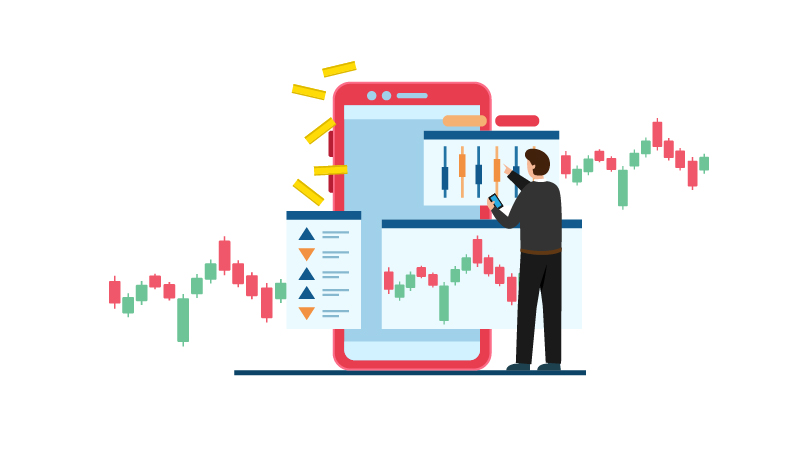
Open Interest plays a simple but important role in the futures and options market. It shows how many outstanding contracts are active at any moment. Traders often rely on it to understand market strength and possible trend direction. When you compare Nifty OI Data with Bank Nifty OI Data, you get a clearer view of how the broader market and the banking sector behave. Both indices move differently, and their OI patterns reveal useful clues that help traders stay ahead.
Why Open Interest Matters
Open Interest shows whether money is entering or leaving the market. It also helps traders judge whether a trend has real strength. Prices may rise sharply, but if OI does not support the move, the rally often fades. Many beginners focus only on price, but OI adds a second layer of understanding. It gives a more complete picture of market sentiment and participation.
OI rises when new contracts are created. It falls when contracts are closed. This simple behaviour makes it a reliable indicator. It does not predict the market, but it provides context that can support better decision-making.
How Nifty OI Data Works
Nifty represents the broader market. It has a mix of sectors. Its OI behaviour usually reflects the mood of the entire economy. When Nifty OI Data rises with price, it suggests strong momentum. When both fall together, the market is losing interest. If Nifty rises but OI falls, traders may be covering shorts rather than building new positions. This situation often creates confusion, but it also warns traders to be careful.
The Nifty tends to move steadily. Its OI patterns are slower, and they often react to global trends. Many traders watch these levels every day because they help track market direction without relying only on price action.
How Bank Nifty OI Data Works
Bank Nifty focuses only on the banking sector. It moves faster and reacts naturally to interest rates, economic signals and liquidity conditions. Bank Nifty OI Data changes quickly, and this volatility gives traders early signals. A sudden spike in OI with a sharp price movement usually shows aggressive positions. Bank Nifty often leads the market because banking activity strongly influences economic growth.
When Bank Nifty price rises along with OI, traders usually expect more upside. When both fall together, the trend weakens. If the price drops and OI rises, short positions may be increasing. This behaviour is common in Bank Nifty, and it shows why its OI data is more sensitive than Nifty’s.
Difference Between Nifty OI Data and Bank Nifty OI Data
The two indices respond to different forces. Nifty reacts to broad economic conditions. Bank Nifty responds to sector-specific triggers. This makes their OI patterns unique. Traders get a deeper understanding of the market when they watch both.
Here is a simple comparison:

This table shows how each index behaves. Nifty gives a calm picture. Bank Nifty provides sharper signals. Many traders use both to balance their market view.
How Traders Use OI in Real Trading
Traders combine OI with price action. They also track key strike levels with heavy open interest. When those levels shift, the market often makes a move. For example, sudden changes at important support or resistance levels can guide intraday and positional strategies. Traders often stay alert when OI builds near round numbers because large participants prefer these zones.
OI also helps identify whether a breakout is real. When price breaks an important level and OI rises, the move usually lasts longer. Breakouts with falling OI are less reliable. Both Nifty and Bank Nifty show these behaviours, but Bank Nifty displays them more sharply.
When to Trust OI Signals
OI is useful, but it works best with price strength. Traders should confirm patterns before acting. A strong trend with weak OI may reverse without warning. A weak trend with strong OI may surprise traders with a sudden expansion. Market news can also create temporary spikes.
Using Nifty and Bank Nifty OI together keeps traders prepared. When both align, market direction becomes clearer. When they differ, the market may move sideways or shift soon.
Conclusion
Nifty OI Data and Bank Nifty OI Data offer valuable insights into market sentiment. They help traders judge the strength of trends and understand where money is flowing. Nifty brings stability. Bank Nifty brings speed. Together, they form a balanced view of the market. Traders who read OI carefully gain confidence and make more informed choices.
If you track these OI patterns regularly, you will understand the market better and respond more effectively to changes.






