MAM
Lachlan Murdoch appointed as News Corp non-executive co-chairman

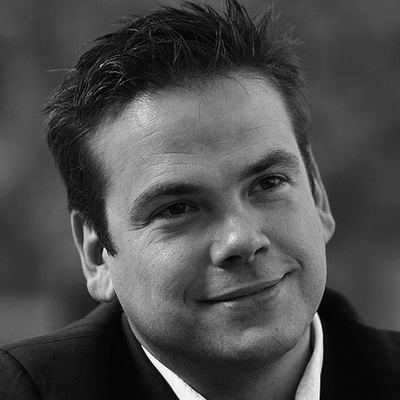
MUMBAI: News Corp has got its new non-executive co-chairman in Lachlan Murdoch. The announcement was made by the News Corp board of directors on 26 March.
“This appointment is a sign of confidence in the growth potential of News Corp and a recognition of Lachlan’s entrepreneurial leadership and passion for news, digital media and sport,” said News Corp executive chairman Rupert Murdoch in a statement.
“In this elevated role, Lachlan will help us lead News Corp forward as we expand our reach and invest in new technologies and markets around the world. We have many challenges and opportunities ahead, and Lachlan’s strategic thinking and vast knowledge of our businesses will enable me as executive chairman and the company as a whole to deliver the best outcomes on behalf of our stockholders, employees and customers,” added Murdoch.
Lachlan Murdoch is currently a director of News Corp and 21st Century Fox, executive chairman of NOVA Entertainment Group, executive chairman of Illyria Pty and director of Sydney’s Museum of Contemporary Art. Until recently, he also served as non-executive chairman of Ten Network Holdings. Under his leadership, NOVA Entertainment Group became Australia’s number one national FM network.
Prior to founding Illyria in 2005, Lachlan was the deputy chief operating officer of News Corporation (now 21st Century Fox), a role in which he was directly responsible for two thirds of the company’s global revenue, with specific emphasis on its US television stations group and publishing assets.
While at the former News Corporation, Lachlan had oversight of HarperCollins and the company’s lines of business in Australia, including REA. He also served on the Board of Foxtel and as chairman of Fox Television Stations and publisher of the New York Post. At Fox Television Stations, Lachlan oversaw the company’s 35 owned-and-operated television stations, where he raised the bar on local news coverage nationwide, increasing the total number of local news hours across the group to more than 850 per week. At the New York Post, Lachlan overhauled the tabloid and grew its circulation by more than 40 per cent. During his tenure, the Post became the nation’s fastest growing newspaper and the seventh largest in the United States
“I’ve had the pleasure of knowing and working with Lachlan for a number of years, and I’m delighted he’ll be serving in this elevated capacity,” said News Corp chief executive Robert Thomson.
“Lachlan’s experience, acumen and enthusiasm will serve us well as we guide News Corp and its businesses through this era of digital transformation and global expansion. His early appreciation of the value of REA, the digital property site that is a jewel in our crown, is an indicator of his prescience and strategic savvy,” informed Thomson.
“I am grateful to the Board of News Corp for this exciting opportunity, and I’m looking forward to working more closely than ever with my father as well as Robert Thomson and his team, who have launched the new News so successfully,” said Lachlan Murdoch.
“News Corp today has the energy and sensibility of a start-up and is at the cutting edge of change in the media, publishing and education industries, and much more,” he concluded.