MAM
Kyoorius concludes the Fourth Edition of FYIday


MUMBAI: Kyoorius – a not-for-profit initiative by Transasia Fine Papers today concluded the fourth edition of KyooriusFYIday: Future of Branding with Michael Johnson.
The seminar featured Creative Director – Michael Johnson, who is at the forefront of brand thinking worldwide, responsible for changing the way we look at brands.

Based out of London, he shared insights on branding’s past, present and future. There are certain things about branding that are irrefutable; companies, products and organizations will always need to position or reposition themselves in a market, yet many of the ‘truths’ that we took for granted are being refuted as brands look to the future.
Sharing case studies he discussed how Johnson banks re-positioned legacy brands such as Virgin Atlantic & Science Museum, in addition to turning brand theory on its head with examples culled from his global portfolio from projects spanning Japan, New York, Paris and London.
Michael Johnson, Creative Director and Principal, Johnson Banks said, “I feel Kyoorius FYIDay is a great learning opportunity and platform for exchange of new and innovative ideas. In this day and age the brand is more powerful than advertising. This has led to a paradigm shift across the USA and UK. However in India and China, I still feel the Indian creative minds need to find their Indian voice and not look at selling the international style. Having said that there is immense scope in a young nation like India with lots of interesting times ahead.”
Rajesh Kejriwal, Founder CEO, Kyoorius said, “India is becoming a place where the best of design in Asia is coming alive and it is imperative to nurture this talent. We are in a developing stage when it comes to branding and I am sure the learning’s from this FYIDay would help benefit the industry and budding talent four fold.”
Across the FYIday format, Kyoorius are working closely with D&AD’s young blood program to create value for young creative minds through an annual series of seminars and workshops.






Brands
Emami names Dhruv Aggarwal as chief growth officer
Former Bain partner steps in as FMCG firm sharpens growth playbook
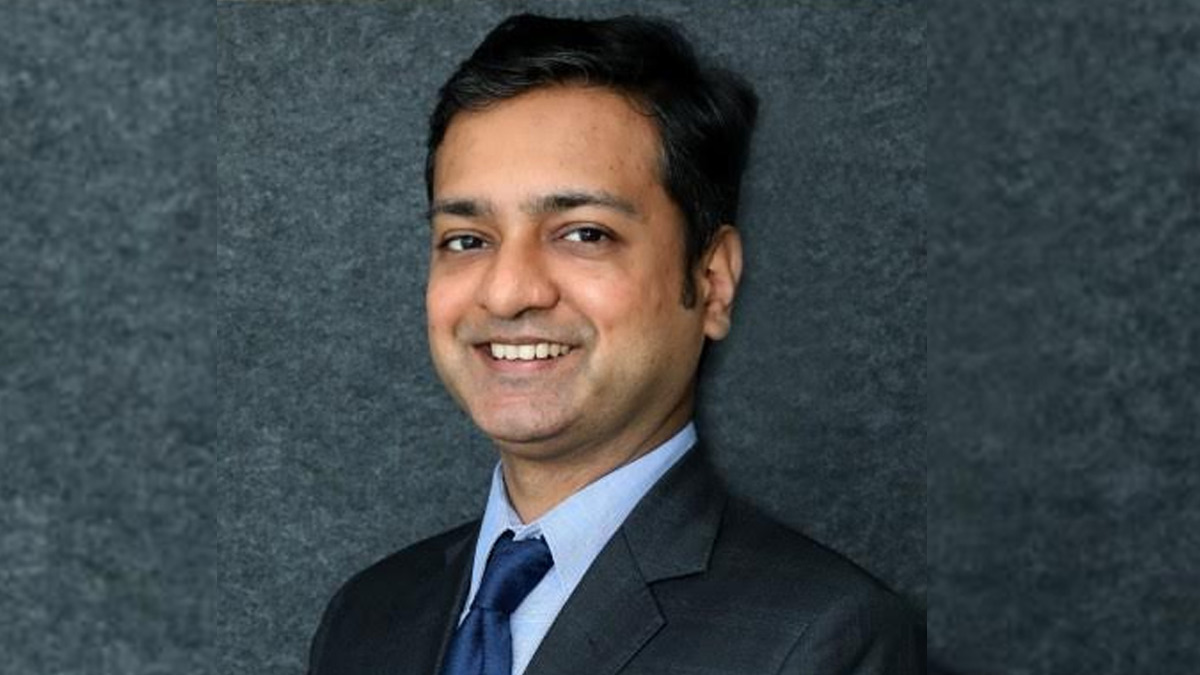
MUMBAI: Emami Limited has appointed Dhruv Aggarwal as its chief growth officer, effective 25 March 2026, following the resignation of Giriraj Bagri.
Aggarwal joins the FMCG major from Bain & Company, where he most recently served as partner. With over two decades of experience across consulting and strategy, he brings a global perspective shaped by work across India, the US, the UK and Germany.
During his tenure at Bain, Aggarwal advised consumer, retail and media companies on large-scale transformations, business turnarounds and growth strategies. He was also closely involved with India’s startup ecosystem, guiding early-stage ventures on scaling and digital expansion, while supporting private equity and venture capital firms on investment decisions.
His earlier stints include a brief role at Barclays Capital and operational experience at Jindal Power, giving him a mix of financial and industry exposure.
Academically, Aggarwal holds an MBA from Indian Institute of Management Bangalore and has also been associated with University of Illinois Urbana-Champaign as a PhD candidate and teaching assistant.
The appointment comes at a time when Emami Limited is looking to sharpen its growth strategy in a competitive consumer market. With a seasoned strategist now at the helm of growth, the company appears set to double down on transformation and expansion in the months ahead.








