MAM
Kings XI Punjab welcomes on board Aaj Tak as title sponsor

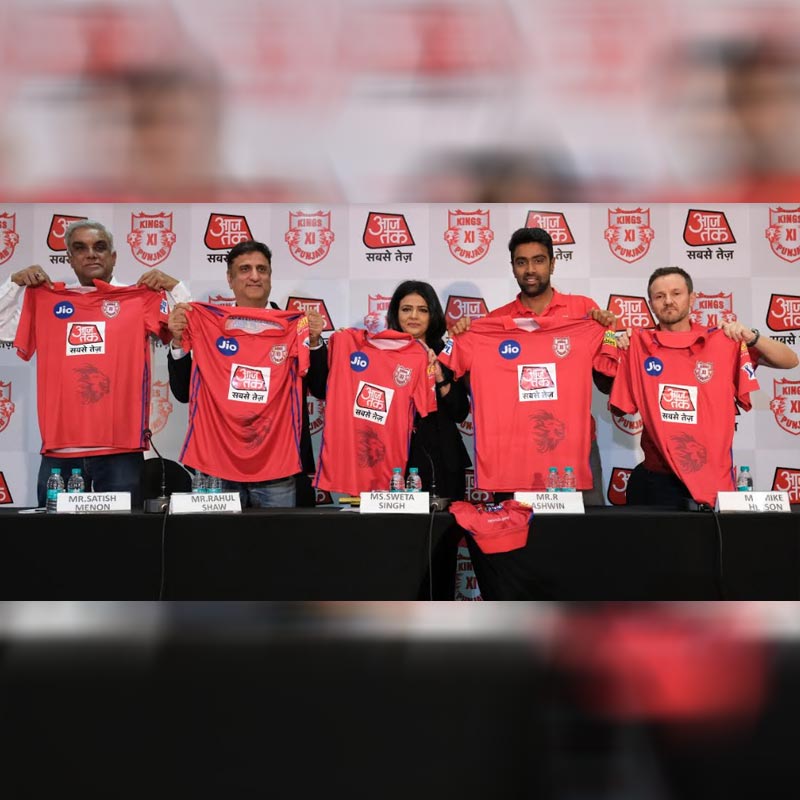
MUMBAI: Kings XI Punjab has launched its new jersey and announced a range of partners that will support the team this season in the VIVO Indian Premier League.
On board as the title sponsor for the season is Aaj Tak. The news channel will occupy its place on the front of the Kings XI Punjab Jersey this year.
Other sponsors include Bageshree Infratech, V.I.P. Industries, along with Jio, Fena, Royal Stag and Finale Cables, who continue to back KXIP from last season.

Kings XI Punjab CEO Satish Menon said, “We are delighted to unveil the new jersey and announce our partnership this year with the news channel Aaj Tak, a TV channel known as much for its in-depth analysis delivered in double quick time as for its credibility. A brand of that repute coming on board is a proud endorsement of Kings XI Punjab's intrinsic values. We head into IPL season 12 with optimism and enthusiasm as we have the right brands with us on the journey. Their support is our strength as we aim to excel on the field with our performances played in the true spirit of the game.”
India Today Group vice chairperson Kalli Purie said, “India Today Group is really excited to partner with the most anticipated cricketing event of 2019. This partnership of Aaj Tak with Kings XI Punjab is a coming together of the biggest in news with the biggest in sports. All the best to the Kings XI team, looking forward to an amazing tournament and like Aaj Tak, may the ‘Sabse Tez’ team win.”
Along with these, KXIP welcomes onboard other partners as well. These include:
Kingfisher – Good Times Partner
Coca Cola – Official Beverage Partner
Beardo – Associate Sponsor
Prayag – Official Bath & Kitchen Fitting Partner
T10 – Official Kit & Merchandise Partner
Welspun – Official Partner
Dream11 – Associate Partner
boAt – Official Audio Partner
cricfig – Official Figurine Partner
The Souled Store – Merchandise Partner
Big FM – Radio Partner
CASHUrDRIVE – Outdoor Partner
Zomato – Official Partner





MAM
Ameya Velankar steps down as Uber’s head of marketing for India & South Asia
Veteran marketer exits after more than seven years with the ride-hailing giant.
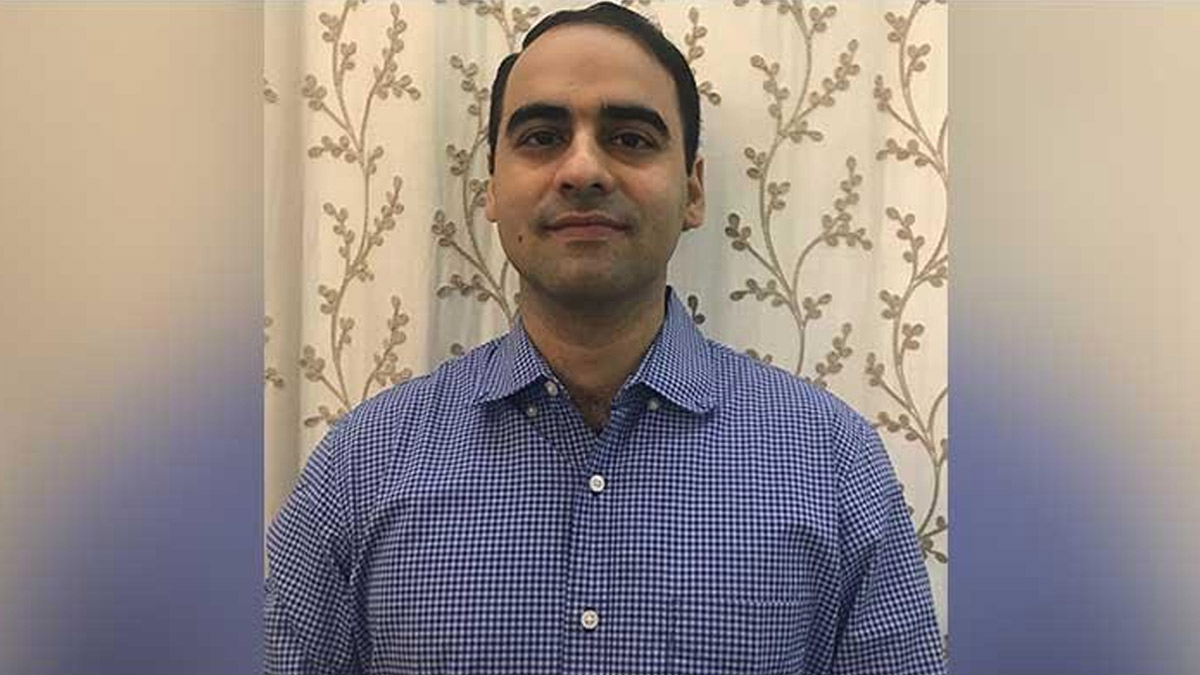
MUMBAI: After more than seven years of steering Uber through the bumpy roads of India’s mobility market, Ameya Velankar has decided to change lanes. Ameya Velankar has stepped down as Head of Marketing for India and South Asia, marking the end of a significant chapter at the ride-hailing company. He had been with Uber since 2019, taking on multiple roles in product and category marketing before rising to lead the marketing function for the region in 2021.
During his tenure, Velankar played a key role in strengthening Uber’s positioning in one of its most competitive and dynamic markets. He helped drive localised marketing strategies and scale adoption across key offerings such as Auto, Moto, Rentals and Intercity, tailoring global platforms to Indian consumer needs.
Prior to joining Uber, Velankar built his marketing expertise at leading consumer companies including SC Johnson and Marico, where he handled category and product leadership roles. His career began at RPG Enterprises.
Details of his next professional move have not been disclosed.
In a fast-evolving mobility landscape where brands constantly battle for attention, Ameya Velankar helped Uber stay relevant and resonant with millions of Indian users. As he moves on from the driver’s seat of marketing, the company will now look for fresh ideas to keep its wheels turning smoothly.






