
Brands
JW Marriott, Andaz face FSSAI notices over food safety and hygiene lapses
Inspections find hygiene, labelling, pest-control and storage violations at both hotels


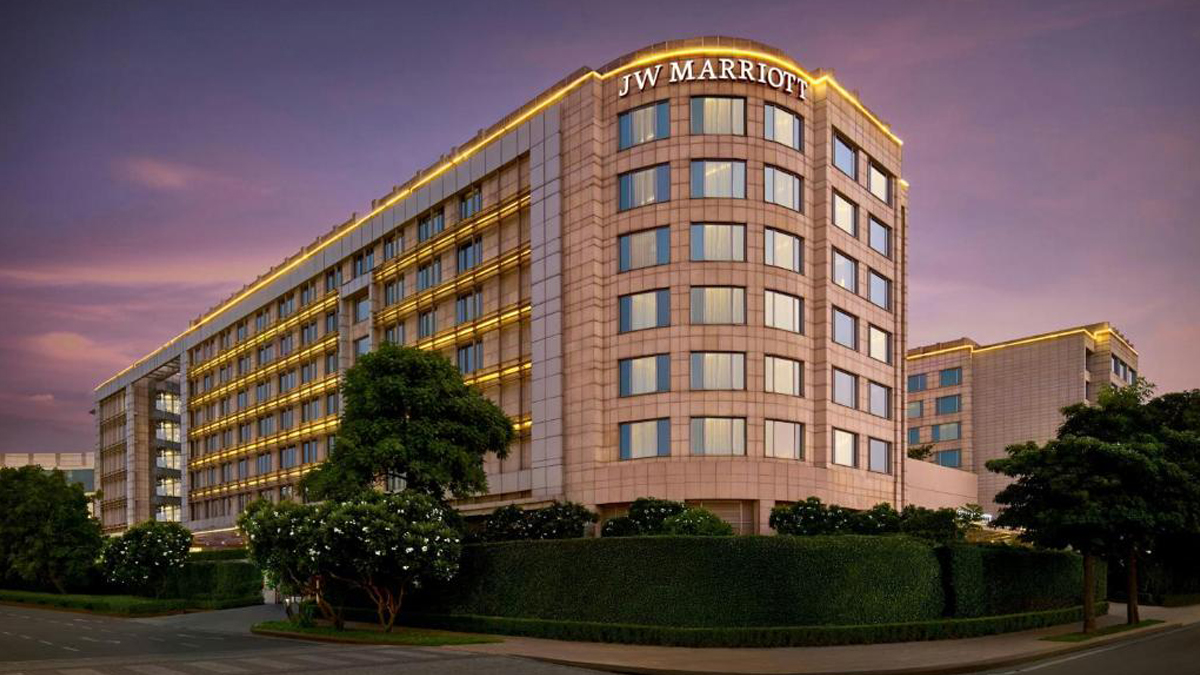
NEW DELHI: A five-star inspection, but not a five-star report card. The Food Safety and Standards Authority of India (FSSAI) has issued notices to Delhi’s JW Marriott and Andaz Aerocity, operated by Juniper Hotels, after inspections found a range of food safety, hygiene, sanitation, storage and labelling deficiencies.
At JW Marriott, the inspection found that the food business operator was undertaking retail and relabeller activities without the required endorsement on its FSSAI licence. This included retailing food products under the JW Marriott brand.
Regulatory samples were collected during the inspection, with further action to be taken based on the hotel’s compliance and the results of sample analysis.
The inspection also identified shortcomings in the labelling of pre-packaged food products. These included misprinted FSSAI licence numbers and failure to declare the complete manufacturer’s address.
The hotel’s FSSAI licence was also not displayed prominently on the premises.
Certain food products, including paneer, khoya, chana masala and chilli, were found without the required licence or endorsement available for verification.
The inspection raised broader concerns about the condition of food preparation and storage areas.
Officials found unclean utensils and food-contact surfaces, particulate matter in drinking water and inadequate pest-control measures. Cockroaches and fruit flies were also reported.
The inspection further found spoiled and fungally affected food, including apples with fungal growth and rotten tomatoes. Other issues included uncovered food, damaged storage containers, poor segregation of vegetarian and non-vegetarian food, improperly stored cut vegetables and food kept outside prescribed storage conditions.
Several kitchen areas, including the Chinese, Indian, Italian and bakery kitchens, were flagged for deficiencies involving pest infestation, sanitation, exhaust systems, allergen segregation, storage containers and food identification.
The water bottling area, dry store, coffee shop and vegetable preparation area also had lapses, including a rusting drinking-water storage tank, imported-food labelling deficiencies and fruit-fly infestation.
FSSAI also issued a notice to Juniper Hotels following its inspection of Andaz Aerocity.
The inspection identified several food safety and hygiene concerns, including pest activity, poor sanitation, inadequate food-handler hygiene, improper storage and inadequate segregation of vegetarian and non-vegetarian food.
One of the more serious findings involved expired food. Officials found around 87 kg of expired sweets, along with an expired cake base and expired bread packets. The expired sweets were discarded during the inspection.
The inspection also found inadequate temperature monitoring, poor allergen segregation, waste-management issues and structural and maintenance deficiencies.
Inspectors found instances where vegetarian and non-vegetarian food preparation practices were not properly segregated.
At the Anayama Kitchen, vegetarian and non-vegetarian cutting boards were reportedly immersed together in the same water container. At the Room Dining Kitchen, vegetarian burners were being used to prepare non-vegetarian food.
Pest-control problems were also reported, including active cockroaches near freezers, houseflies, mosquitoes in the grinding room and spider webs. Officials also found a gutka packet inside the bottling plant area.
The inspection additionally found duplicate date-marking over expired bread packaging and reported severe unpleasant odours in parts of the premises.
Chillers were also located directly between two bathrooms, with exhaust venting into the chiller section.
The lapses extended beyond kitchens and storage areas to procurement practices.
According to the inspection findings, the hotel had not carried out adequate supplier verification, including checks of vendors’ FSSAI licences. It also lacked a system to track incoming raw materials, including receiving dates and shelf life.
Regulatory and surveillance samples were collected from both establishments for laboratory analysis.
At JW Marriott, samples included honey, skimmed milk dairy whitener, drinking water, red velvet sponge, Angoori Rasmalai, khoya, paneer and Sonth Chutney.
At Juniper Hotels, samples included cow ghee, vegetable mayonnaise, creamy coconut milk powder, honey twigs, yellow masoor dal, tomato sauce, orange marmalade and coconut cookies.
FSSAI has directed the food business operators to address the identified non-compliances and submit compliance reports along with supporting evidence.
Further regulatory action will depend on the compliance submitted by the establishments and the results of the sample analysis.
The inspections underline that food safety at large hospitality properties goes well beyond what reaches the dining table. From licence numbers and supplier checks to pest control, storage and kitchen hygiene, the regulator’s findings put the entire food chain under the microscope.






