MAM
Jupiter banks on experience with Akhilesh Jha in the driver’s seat

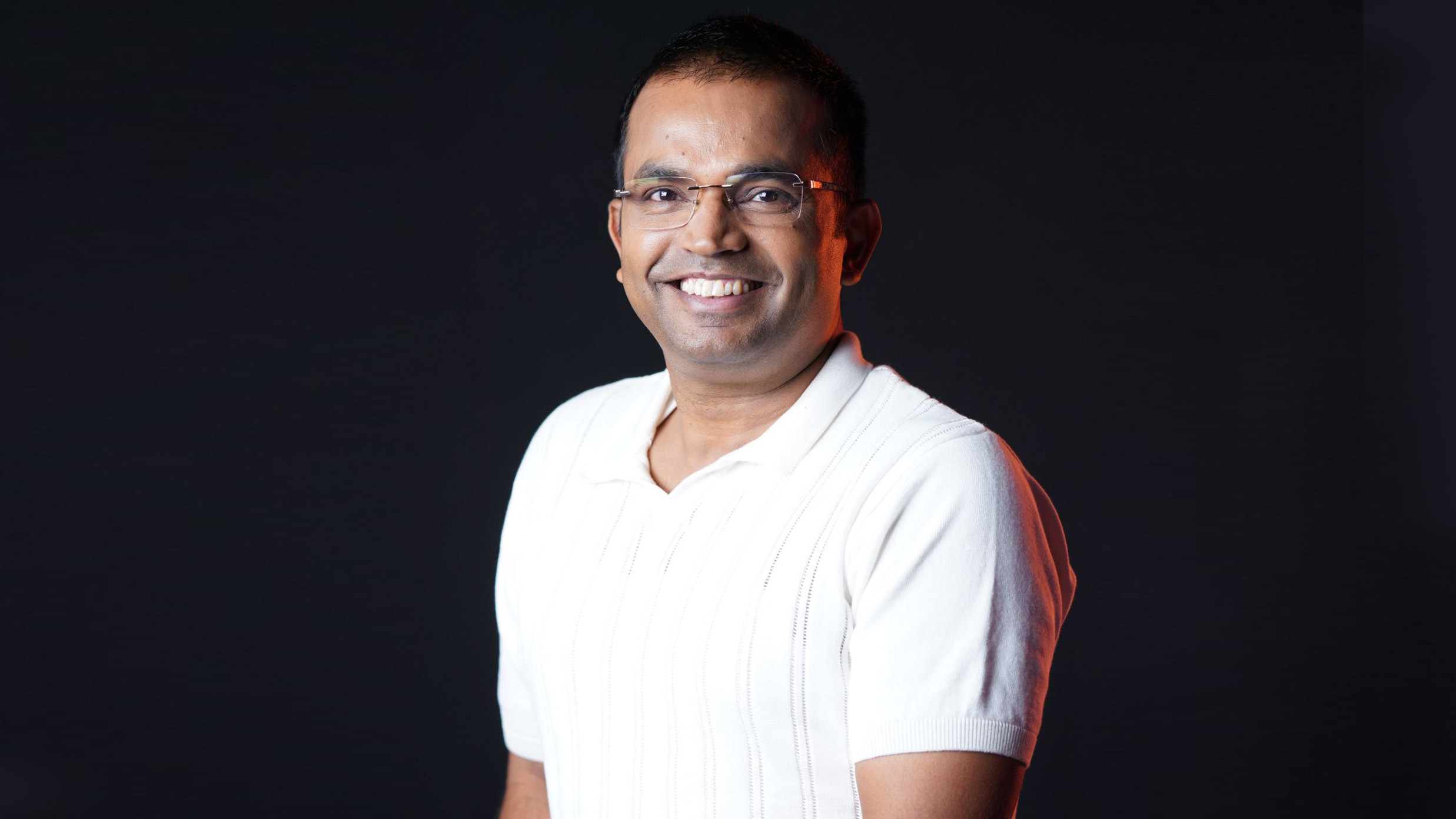
MUMBAI: If money talks, Jupiter Money just made a power move by bringing banking veteran Akhilesh Jha into the conversation. In a strategic hire that signals its next phase of growth, Jupiter Money has appointed Akhilesh Jha as senior vice president for banking and partnerships. With over 20 years of experience in retail banking and digital strategy most recently as head of retail banking portfolio at DBS Bank Jha steps in to amplify Jupiter’s push toward becoming India’s go-to money platform.
At a time when fintechs are rewriting the rules of personal finance, Jupiter’s move shows it’s doubling down on what it does best: combining digital ease with meaningful banking experiences. In his new role, Jha will lead the charge on deepening collaborations with banks and financial institutions, helping Jupiter scale its offerings across savings, credit, and payments.
“We are building a platform that simplifies money for millions of Indians,” said Jupiter Money president, Rohit Kumar Pandey. “Akhilesh brings the perfect mix of legacy banking and fintech edge. As we grow, his insight will be vital in shaping impactful partnerships.”

Jha echoed the sentiment, noting the “mutually beneficial ecosystem” that fintech-bank alliances can create. “Customers get intuitive, digital-first products; banks unlock new channels and revenues; and Jupiter becomes the bridge that makes it happen,” he said.
The announcement comes at a time when Jupiter Money is riding strong tailwinds. In the last quarter alone, it secured key regulatory clearances, expanded its credit footprint, and maintained steady user growth. With an eye on Tier 2 and Tier 3 cities, the company is working to unlock financial access for underserved digital users.
Jupiter’s product suite already includes an all-in-one savings account (powered by Federal Bank), a Rupay credit card with CSB Bank that integrates with UPI and offers cashback, and an upcoming prepaid wallet after receiving RBI nod. Jha’s appointment adds muscle to Jupiter’s ambition of turning its platform into a full-stack, digital-first banking experience, one that’s as easy as it is empowering.
As Indian consumers grow savvier and seek smarter ways to manage their money, Jupiter Money’s latest leadership bet might just prove that experience is, in fact, the best investment.






MAM
Ameya Velankar steps down as Uber’s head of marketing for India & South Asia
Veteran marketer exits after more than seven years with the ride-hailing giant.
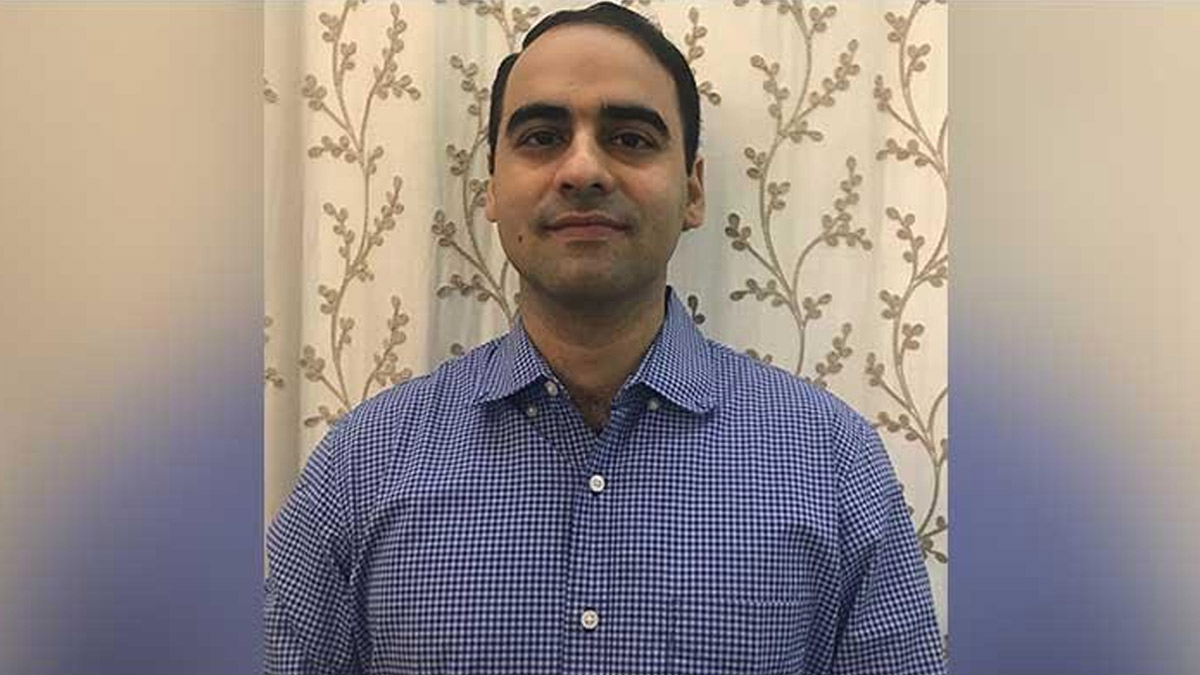
MUMBAI: After more than seven years of steering Uber through the bumpy roads of India’s mobility market, Ameya Velankar has decided to change lanes. Ameya Velankar has stepped down as Head of Marketing for India and South Asia, marking the end of a significant chapter at the ride-hailing company. He had been with Uber since 2019, taking on multiple roles in product and category marketing before rising to lead the marketing function for the region in 2021.
During his tenure, Velankar played a key role in strengthening Uber’s positioning in one of its most competitive and dynamic markets. He helped drive localised marketing strategies and scale adoption across key offerings such as Auto, Moto, Rentals and Intercity, tailoring global platforms to Indian consumer needs.
Prior to joining Uber, Velankar built his marketing expertise at leading consumer companies including SC Johnson and Marico, where he handled category and product leadership roles. His career began at RPG Enterprises.
Details of his next professional move have not been disclosed.
In a fast-evolving mobility landscape where brands constantly battle for attention, Ameya Velankar helped Uber stay relevant and resonant with millions of Indian users. As he moves on from the driver’s seat of marketing, the company will now look for fresh ideas to keep its wheels turning smoothly.






