
MAM
James Burrows, the man who built the sitcom’s DNA, dies at 85
From the fourth camera to the “pilot whisperer” tag, Hollywood mourns the architect of modern TV comedy


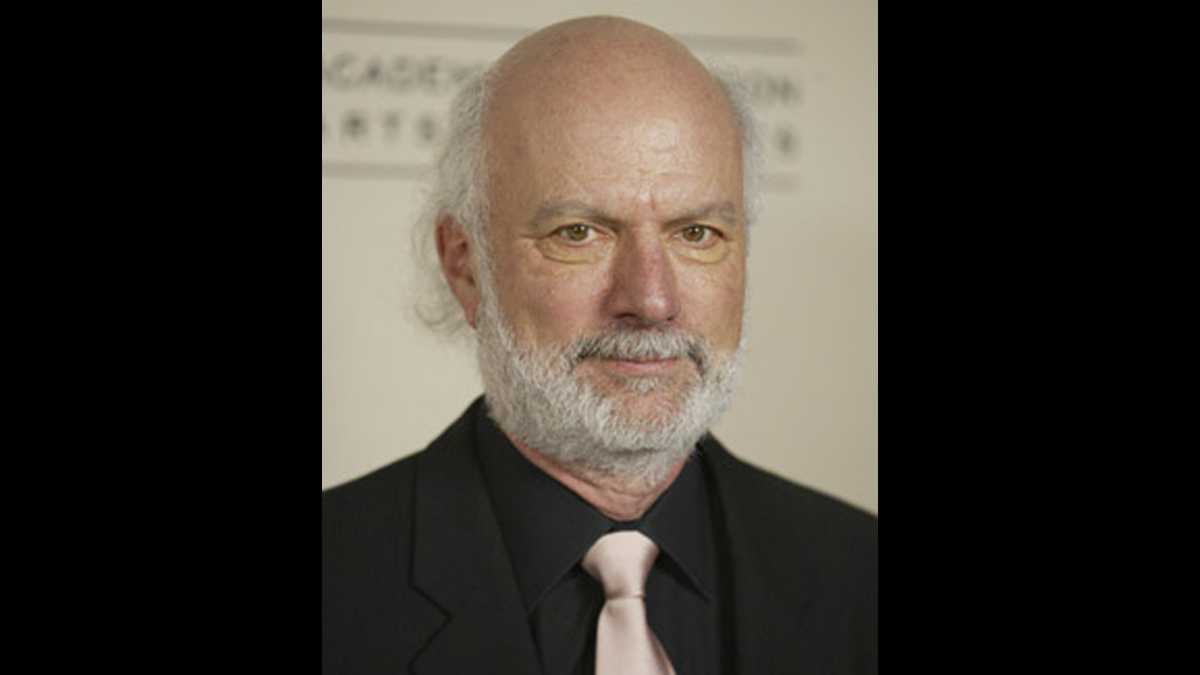
MANHATTAN: Hollywood has lost more than a successful director. It has lost the man who quietly rewrote the grammar of the American sitcom, and the tributes flooding in make that abundantly clear. James “Jimmy” Burrows has died at 85, and the grief sweeping the industry isn’t just about a long, decorated career, it’s about a body of work that changed how television comedy gets made, shot and felt.
Burrows’s fingerprints are everywhere, and his impact breaks down into three distinct strands.
First, the technical overhaul. Before Burrows, multi-camera sitcoms were stiff, cheaply shot affairs, three cameras, rigid blocking, actors frozen in place waiting for their cue. Drawing on his theatre roots, Burrows tore that rulebook up. He is widely credited as the first director to fold a fourth camera into the standard set-up, opening the door to richer blocking and sharper cutaways. He pushed for bigger sets and let actors actually move through them, giving comedies a fluid, almost theatrical energy. The extra room he carved out for the cameras also gave comic timing space to breathe, laying the groundwork for the layered pacing later seen in Frasier, Friends and Will & Grace.
Second, the hitmaking. In television, the pilot is the highest-stakes job going, and Burrows became the industry’s undisputed pilot whisperer, directing more than 50 that went on to become full series. Networks knew that a show with Burrows behind the camera had a serious shot at syndication gold. He didn’t just shoot episodes, he built the romantic engine rooms of entire shows, crafting the will-they-won’t-they dynamic between Sam and Diane on Cheers and later Ross and Rachel on Friends.
Third, and perhaps most enduring, the culture he built. In an industry built on ego and stress, Burrows ran sets defined by trust, generosity and humility. Debra Messing, who worked with him on Will & Grace, recalled how rare it was for a director to trust his actors enough to let them fail and find the comedy on their own terms, likening him to a conductor coaxing music out of his cast. David Schwimmer, of Friends fame, described Burrows in paternal terms, the kind of presence who looked out for his actors both on camera and off.
That instinct showed itself early. When Burrows directed the Friends pilot, he took the then-unknown six-person cast to Las Vegas, handed each of them $200 to gamble, and told them to savour their last days of anonymity, because everything was about to change.
As Eric McCormack put it in his own tribute, Burrows didn’t simply leave a mark on Hollywood, he left a footprint. Long before Tina Fey, Michael Schur or Bill Lawrence became household names in the writers’ room, Burrows had already proven that a director could be the true auteur of television comedy. Few will ever direct fifty hit pilots. Fewer still will be remembered, first and foremost, for kindness.






