Brands
Isobar white paper champions headless commerce as the future for brands

MUMBAI: Isobar, the global digital marketing agency from the house of Dentsu Aegis Network, has recently launched a white paper which elaborates on how ‘headlesscommerce’, an approach to technology architecture, is more important than ever before.
The report, titled ‘Headless Commerce : Differentiating your approach To experience commerce strategy’, shares how headless commerce is an opportunity for brands. It argues that the reconfiguration of legacy systems can support the functional, emotional and tangible needs of a customer experience. It also explains how the headless commerce approach provides brands with greater control over the UX, giving them a consistent identity across an entire ecosystem of touchpoints and a foundation to create long-term customer relationships that can deliver sustainable business growth.
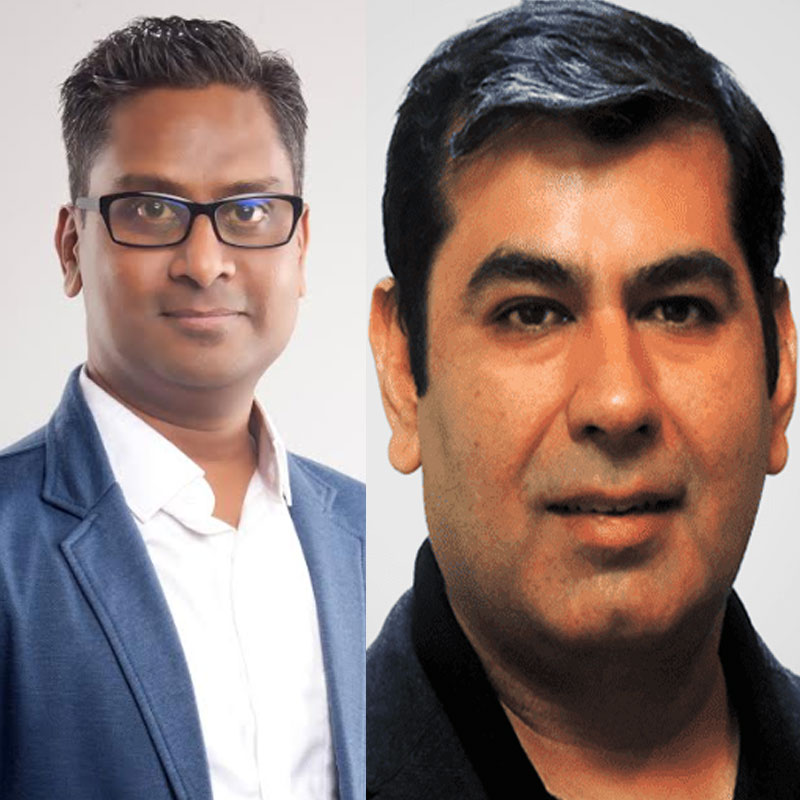
Isobar Global chief technology officer Vikalp Tandon said, “One of the biggest challenges in the experience economy for brands is to engage consumers at every touchpoint across an ecosystem. This goes beyond serving the right content at the right time. It originates in the brand’s technology infrastructure that powers their digital presence. The headlesscommerce approach allows brands to deliver a truly customer-centric experience at speed and scale which is key in today’s landscape and is needed to move forward.”

Isobar India EVP and head Isobar Commerce, India Shekhar Mhaskar added “In this day and age, the consumer demands and desires a seamless, homogenous and uninterrupted experience that is agnostic of devices and media channels. And this is even more imperative in the realm of online commerce. Headless commerce, as a practice, helps to solve all the above, continuously and at speed. It also empowers the brands to simultaneously innovate and improve on two important fronts front-end customer experience and back-end technology.”
The white paper provides C-Suite brand leaders an overview of:
· The context behind the emergence of unified commerce experiences
· The opportunities of the headless commerce architecture approach
· A Customer Experience Framework
· The limitations of conventional or legacy architecture approaches (Monolithic architecture)
· The opportunity for immersive experiences through rich content approaches
· How headless commerce provides brands with a centralised view of customer data
· The requirements of a headless commerce strategy and what the future holds


Brands
Devyani International names Sandeep Anand, Robinder Singh in key roles
Pizza Hut and Costa Coffee businesses see leadership refresh from April

MUMBAI: Devyani International has strengthened its senior leadership bench with a fresh set of appointments across its key brands, Pizza Hut and Costa Coffee, signalling a sharper focus on growth and brand momentum.
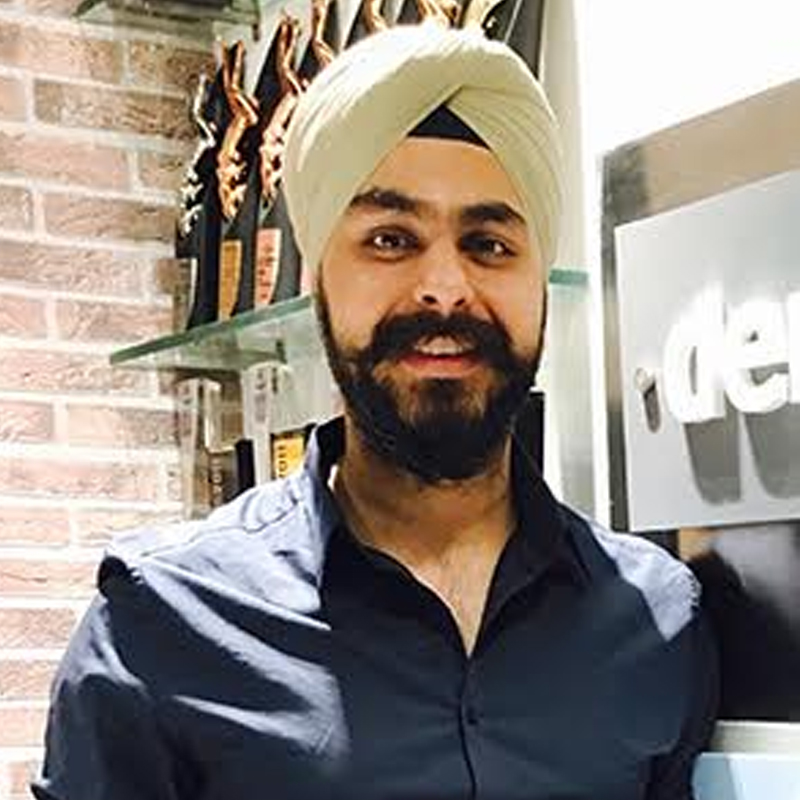
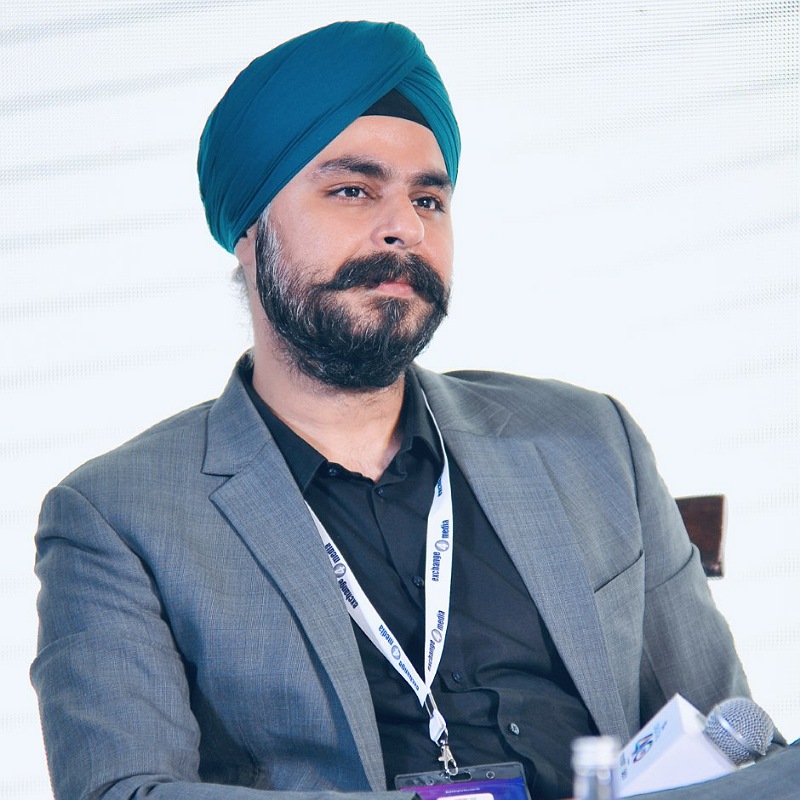
The company has appointed Sandeep Anand as chief marketing officer and business head for Pizza Hut. His appointment, approved by the board via a circular resolution on April 3, follows a recommendation by the Nomination and Remuneration Committee, as reported by CNBC-TV18. Anand will officially step into the role on April 6, 2026.
He takes over from Vijay Gogate, who currently serves as chief executive officer for Pizza Hut within the company’s operations. The move marks a strategic transition as the brand looks to sharpen its marketing and business playbook in a competitive quick service restaurant market.
Anand brings over two decades of experience across the food and FMCG sectors, with a strong track record in brand building and innovation. His career spans roles at major consumer-facing companies including Domino’s, Zydus Wellness, Zomato, GSK Consumer Healthcare, Reckitt and Ranbaxy, giving him a well-rounded perspective on both scale and agility.
Alongside this, Robinder Singh has been appointed business head for Costa Coffee and the company’s airport operations. He too will assume his new role on April 6, bringing more than 18 years of experience in operations, business expansion and customer experience transformation.
The twin appointments come at a time when Devyani International is doubling down on leadership depth to steer its portfolio through evolving consumer preferences and heightened competition. With fresh faces at the helm of two key verticals, the company appears set to brew up its next phase of growth with renewed energy.






