MAM
Ipsos-Nestle joint paper bags first runner-up at 31st MRSI Annual Seminar

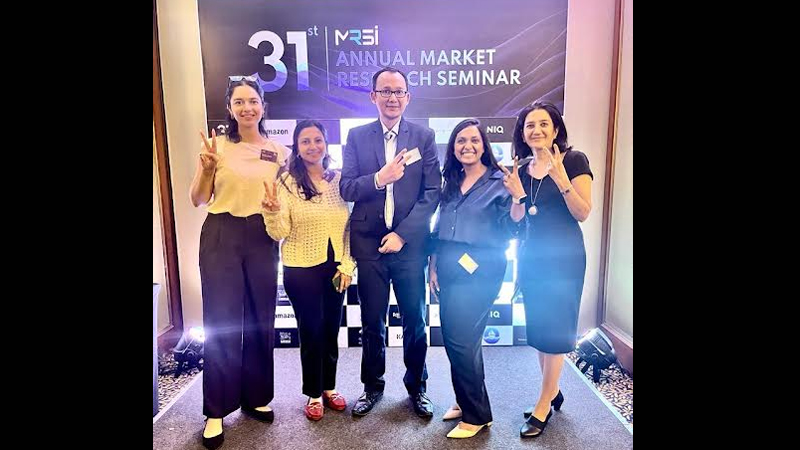
Mumbai: The 31st Annual Market Research Seminar has announced the winners. Ipsos-Nestle joint paper titled Potential Value of Innovative Reality and Metaverse in Consumer Research, submitted under the category Maiden Voyage has bagged the first runner-up spot. It was chosen from 100 entries across clients and market research fraternity.
The research paper elucidated on the potential of conducting consumer research in an immersive environment through virtual reality. This innovative approach allowed one to gather unfiltered and authentic responses from respondents, removing distractions and providing a unique immersive research experience. The immersive environment (Café verse) was a game changer on how we conducted research, enabling us to delve deeper into consumer insights. We conducted ‘Café verse’ research for Nestle’s Nescafe brand, specifically to test cafe themes. The results were nothing short of intriguing, providing valuable insights and informing strategic decisions.
The authors were Shelly Jain: research director, Ipsos India; Ashwini Sirsikar, group service line leader, Ipsos Qual and Synthesio, Ipsos India; Aprajita Chauhan: research manager, Ipsos India; Abhinav Goel, lead consumer insights, Nestle India and Smriti Jain, manager consumer insights, Nestle India.
The annual market research seminar with the theme Taming the Choppy Waters was held on 9 & 10 October 2023 at The Leela, Mumbai.
Ipsos India had seven shortlisted research papers in penultimate round. Ipsos had sent over 20 synopses in the first round.
Within the theme, the seminar sought submissions under the four key categories of – maiden voyage, adventure, steering and sailors, The objective was to understand the journey in choppy waters as well as new lands that have been charted through the endeavours. And to understand the navigation tools created and the new understanding landed about the new world.
Ipsos India CEO Amit Adarkar said, “We are very proud of our unprecedented participation and the 1st runner up win. The theme of the 1st runner up paper was futuristic and immersive and captured consumer views in the true sense. Unfiltered and experiential. This was a game changer for Nestle. Congratulations to our teams.”