MAM
IPRS launches a campaign ‘#ImagineLifeWithoutMusic’ this festive season

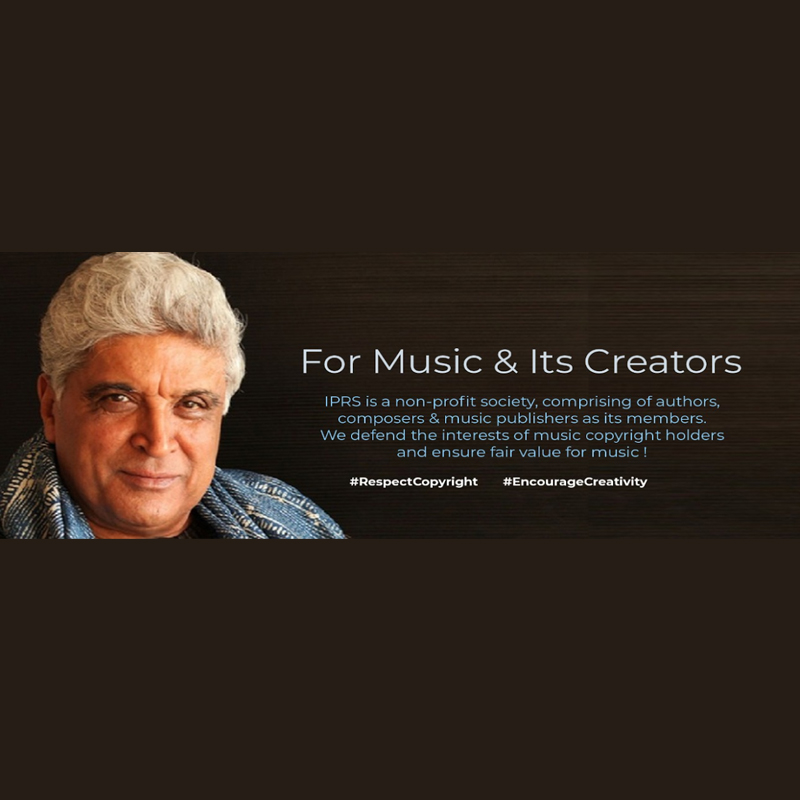
Mumbai: With the arrival of the holiday season, the Indian Performing Rights Society (IPRS) has launched a campaign titled “#ImagineLifeWithoutMusic.” IPRS said that it is India’s only registered copyright society representing authors, composers, and music publishers.
The campaign intends to draw attention to Fair Pay and Fair Play of Music. Music is an integral part of our lives, and as we grow up, it finds new meaning and relevance. It adds to the fervour when we celebrate and buoys us up when we feel low. Indian ceremonies and milestone moments are incomplete without music! According to Nielsen, 94 per cent of online consumers in India listen to music, and 71 per cent of them say that music is an important part of their lives.
The last few months of the calendar year in India are punctuated with a slew of events and festivals. Celebrations through congregations of family and friends are a common sight. It is only expected that music will be one of the primary and most popular means of entertainment during these ecstatic moments. Emanating from every nook and corner around the country, music consumption at these celebrations is sky-scraping. Resonating with this, IPRS sets sail with its campaign to make us ponder what our lives would be like without music and to instil a sense of responsibility toward building a sustainable future for music and its creators.

The campaign will emphasise the relevance of music and how mundane our lives and special occasions would be without it. IPRS stands for protecting its members’ bodies of work and their creation. Today, the copyright society has a robust domestic repertoire of over one million songs.
As music is erroneously presumed to be free and readily available for consumption, IPRS is constantly working towards bringing a mindset change and going all out to right this wrong. IMI-IFPI Digital Music Study 2021 reveals that almost half of the survey respondents felt that they did not need to pay as anything they wanted to listen to was available for free.
Lyricist and IPRS board member Sameer Anjaan said, “Even beginning to imagine life without music is one of the scariest thoughts one could have. How would it be possible to be deprived of the very aural oxygen that makes us savour every memorable moment? It is the music that makes them all the more extraordinary.
“Music encompasses our lives since the moment we set ourselves afoot on the planet and remains an indelible part all the way through our journey. The importance of life in music cannot be overstated. As creators of music, we are overwhelmed by its gentle hold over us and give it our everything: imagination, thinking, skill, time, and energy. In fact, it would not be stretching the truth to say that, as music creators, we give it our life. This sojourn has to continue unabated for a better, happier, more complete world around us. It would be our best legacy for the coming generations.”
IPRS CEO Rakesh Nigam said, “We are happy to announce our new campaign, “#ImagineLifeWithoutMusic,” to create awareness and highlight the importance of music in our lives and the institutions that depend on music to run their business. We want to encourage music users and organisers to purchase a music licence for playing music at events and commercial outlets. Hope we realise that, like other things in our daily life, we need to pay for music too. Music is more than an industry. It is a cultural powerhouse. Though music creators have embraced this profession through passion, we cannot retain talent if we do not pay their rightful dues. To deny royalties to the creators will ultimately weaken the cultural fabric of the nation. We take this opportunity to thank our Fair Music Partners for their support in upholding music licensing and ensuring those behind the music get their rightful dues.”
According to the EY-FICCI report, the Indian music segment grew by 24 per cent in 2021. About 90 per cent of revenues were earned through digital means, though most of it was advertising-led, with only three million paying subscribers. An overwhelming majority of people still refrain from paying for the music they listen to.







Brands
Kotak Mahindra Prime names Suraj Rajappan as managing director and chief executive
The car-finance arm of Kotak Mahindra Bank lines up a new chief and raises its borrowing limit
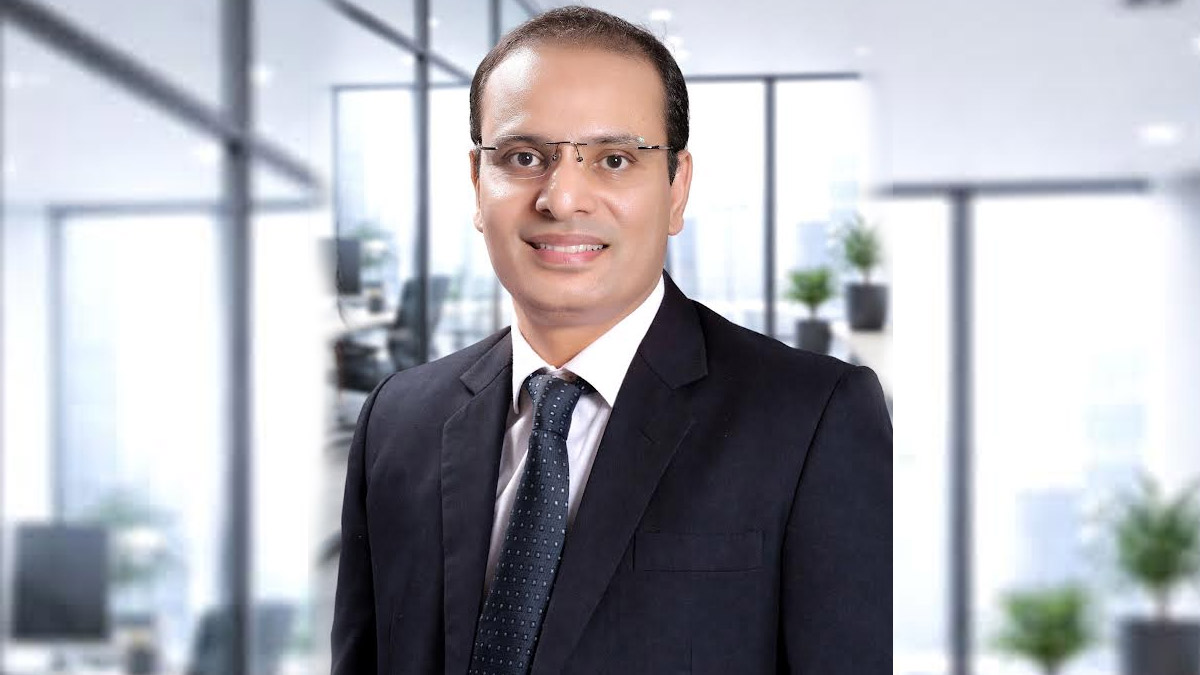
MUMBAI: Suraj Rajappan is getting the keys. Kotak Mahindra Prime Limited (KMPL), India’s veteran car-finance outfit, has named him managing director and chief executive, effective June 1st, 2026—the same day his predecessor drives off into retirement.
The board approved the appointment at its meeting on March 18th. Rajappan, currently a whole-time director at the company, has spent his entire 24-year career at KMPL, working across functions before rising to the top job. The three-year term remains subject to shareholder approval, and the company confirmed he faces no bar from SEBI or any other authority from holding the post.
He takes over from Shahrukh Todiwala, who superannuates on May 31st after more than three decades with the Kotak Group. Ashok Vaswani, managing director and chief executive of parent Kotak Mahindra Bank, was generous in his send-off. Todiwala, he said, “leaves behind a legacy marked by prudent growth, strong risk discipline, and a focus on customer-centricity.” Of his successor, Vaswani was equally bullish: Rajappan’s “deep industry experience and execution capabilities position KMPL well for its next phase of growth.”
The board also loosened the purse strings, raising the company’s overall outstanding debt limit from Rs 43,000 crore to Rs 48,000 crore. The expanded ceiling covers bank loans, debentures, commercial paper, treasury operations, credit facilities and external commercial borrowings.
KMPL has operated as a car-finance company since 1996, branching into two-wheeler loans in 2018 and loans against property in 2021. With fresh leadership, a bigger borrowing arsenal and an ambitious lender for a parent, Rajappan’s first task is clear: step on the accelerator.