MAM
iProspect India appoints Mihir Mehta as director of Display Media


MUMBAI: iProspect India, the end-to-end digital agency from the Dentsu Aegis Network, has beefed up its Display team with the appointment of Mihir Mehta as Director of Display Media.
Mehta joins with over 6 years of experience in the digital industry, previously holding the position of Digital Media Head at World Wide Open and Reliance Entertainment – Digital. Recognized as one of the top 50 most influential Digital Media Professionals in 2015 by World Marketing Congress, his portfolio of achievements includes increasing revenue and improving brand awareness through Digital platforms for brands in India and abroad.
Commenting on the appointment, iProspect CEO Vivek Bhargava said, “Display is a huge part of online media as it has immense potential for growth. With Mihir on board, we are gearing up to take our Display services to a whole new level. We are really excited to welcome him to the team and look forward to the award winning campaigns that are to come.”

From strategy to execution, media planning to buying, affiliates marketing, strategic partnerships and alliances, his focus has always been to drive value to the last cent for all clients. Mihir has experience in all major sectors, working actively on clients such as Reliance Group Companies (Reliance Communication, Reliance Mutual Fund, Reliance General Insurance, Reliance Life) Babyoye, Big Cinemas, SBI Life and Jockey, to name a few.



MAM
Beacon Group appoints Dr Rajesh Patel as Group CEO
36-year healthcare veteran to lead Beacon Diagnostics, Vector Biotek, Biogeny.
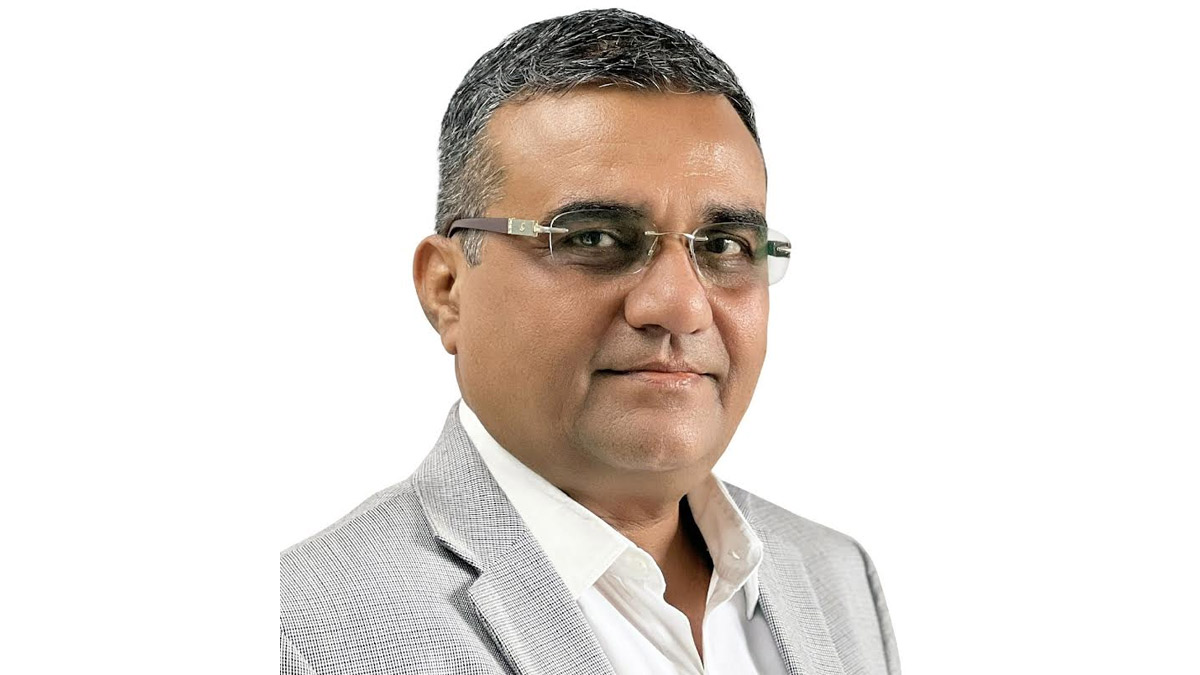
MUMBAI: A new chief, a fresh diagnosis and a sharper prescription for growth. Beacon Group has appointed Dr Rajesh Patel as its Group Chief Executive Officer, effective April 1, 2026, signalling a decisive push to scale its presence in the diagnostics and IVD space. Patel steps into the role with 36 years of experience across the healthcare and diagnostics industry, bringing a career shaped by leadership roles spanning sales, marketing, business development and operational strategy. His mandate is both expansive and precise: to steer the group’s overall strategic direction while tightening coordination across its three core entities Beacon Diagnostics, Vector Biotek and Biogeny Diagnostics.
In practical terms, that means driving cross-company synergies, accelerating market expansion and strengthening organisational capability areas increasingly critical as diagnostic players compete for scale in a fragmented yet rapidly evolving healthcare ecosystem. The group is positioning itself to capture unmet demand across chain laboratories, key accounts and standalone labs, segments that remain underserved despite growing diagnostic needs.
The appointment comes at a time when the In Vitro Diagnostics (IVD) sector in India is entering a more competitive and innovation-led phase, with companies focusing not just on product pipelines but also on service delivery, integration and customer-centric models. Beacon’s leadership appears to be betting that Patel’s execution-focused approach can help translate ambition into operational momentum.
Welcoming the appointment, Chairman Dr D K Joshi described Patel’s induction as a strategic move aligned with the group’s long-term vision, emphasising the role of leadership depth in navigating the next phase of growth.
For Beacon Group, the message is clear, in a sector where precision matters, leadership is the new differentiator—and this appointment is intended to set the tone for what comes next.






