MAM
IPL’s brand value up by 4%; CSK replaces Mumbai as the most valuable: Brand Finance

MUMBAI: The Indian Premier League (IPL)‘s brand value has grown for the first time in four years to $3.03 billion, up from $2.92 billion last year a rise of four per cent. But it is still a far cry from $4.13 billion in 2010. The nine franchisees‘ total brand value has reached $325.8 million this year from $321.12 million last year.
The bigger question though is whether the league is fit for the long run. Also sweeping ethical infractions under the carpet is not an option according to a brand valuation report on the IPL made by consulting firm Brand Finance. The lacunae in transparency and accountability in the IPL ecosystem which drives trust and alignment amongst stakeholders remains to be addressed in full measure and lies beneath the waters as a significant unmitigated risk.
The Chennai Super Kings (CSK) is the most valuable IPL franchise. Their value has grown to $45.42 million up slightly from $45.28 million last year. There are three pillars that brand finance used for evaluating a franchises‘ brand value – cricket excellence, corporate governance and marketing excellence and commercial strategy. India Cements joint president marketing Rakesh Singh noted that the franchise aims to be active throughout the year. “”Our aim is that at least every second month there should be an activity. The Chennai Super Kings cannot be just about two months. So we do things across the year that touches different segments of society”.

CSK‘s aim is to look at the bigger picture and be a sports brand by going beyond just cricket. “We feel that it is important that when the CSK brand engages with constituents it should not be only about cricket. This way CSK will be built as a sports brand” said Singh.
The franchise that has grown the most in value has been the defending champions Kolkata Knight Riders (KKR) which saw a 15.2 per cent jump to $44.98 million from $39.03 million last year putting it in second spot compared to fourth last year. In an interview with Indiantelevision.com KKR CEO Venky Mysore said that the aim over the past two years had been to function like a corporate. That meant bringing in systems and processes and having more transparency. The last two years have seen a dramatic change in fortune of the franchise on the field which has translated into better off the field perception and value.
On the other hand the brand value of Mumbai Indians and the Royal Challengers Bangalore has fallen. The Mukesh Ambani owned franchise has seen its value fall to $44.62 million from $48.21 million last year. Last year it was in the top spot. Nonetheless Brand Finance maintains that the franchise along with CSK and KKR is leading in terms of value creation. Meanwhile the Vijay Mallya owned franchise‘s value has fallen to 37.81 million from $41.15 million but it nonetheless holds a lot of promise. These are the only two franchises whose brand value has fallen.
Delhi Daredevils which is currently struggling on the field holds promise as their brand value jump to $34.22 million from 32.19 million last year. The new franchise Sunrisers Hyderabad, owned by Sun TV is valued at $31.49 million and also holds promise.
Kings XI Punjab which has sorted out its legal issues with the BCCI saw a 7.4 per cent jump in value to $30.78 million from $28.68 million. But Brand Finance notes that it continues struggling to create value. The franchise expects that now that things are sorted out the future will be better in terms of areas like sponsorship revenue. The franchises CEO Colonel Arvinder Singh says that all its marketing programmes as well as media and social interactions are positioned keeping in mind the loyal Punjabi Fan. “We have concentrated on being a fan centric team not only through regular engagement but also through on ground social programs such as women‘s empowerment. It is this fan centric approach that has resulted in an increase in brand value for the franchise. We shall also be doing a lot more in this field to further enhance our brand value.”
The Sahara owned Pune Warriors India‘s brand value is also struggling. Its brand value is up marginally by two per cent to $29.45 million. The Rajasthan Royals continue to languish in last position with their value being practically flat at $27.05 million.
Brand Finance global strategy director M Unni Krishnan said that after having witnessed a steep fall in its long-term value of over a billion dollars from its peak, IPL‘s trust capital seems to hold steady at $3.03 billion compared to $2.9 billion last year.
“The relative stability at these lower levels can be largely attributed to efforts being put in by the BCCI as well as the franchisees to bring consistency in the cricketing product enhance fan engagement and loyalty through wide spread marketing efforts. The learning curve has been steep and some clubs seem to have cracked the code across various marketing, cricketing and business performance drivers.”
He adds that with the franchisees entering the sixth year of its operations, they face an acid test of commercial sustenance. Their destiny is intertwined with the IPL‘s as a whole.
He noted that the league is trying to claw its way back with operational improvements. But the trust flows with stakeholders will eventually determine the health of the IPL‘s long-term cash flows. He warns that while the short-term operational improvements are encouraging, they need to be aligned to the strategic canvas of what IPL really means for the emerging Indian identity and cricket as an international sport which can spread opportunity and value in a fair and equitable way.
“IPL is a means towards this greater good and not an end in itself. Whilst all organisations go through highs and lows the real question to be asked is one of sustainability and endurance. Is IPL able to rise to its higher calling and is it fit for the long run?”







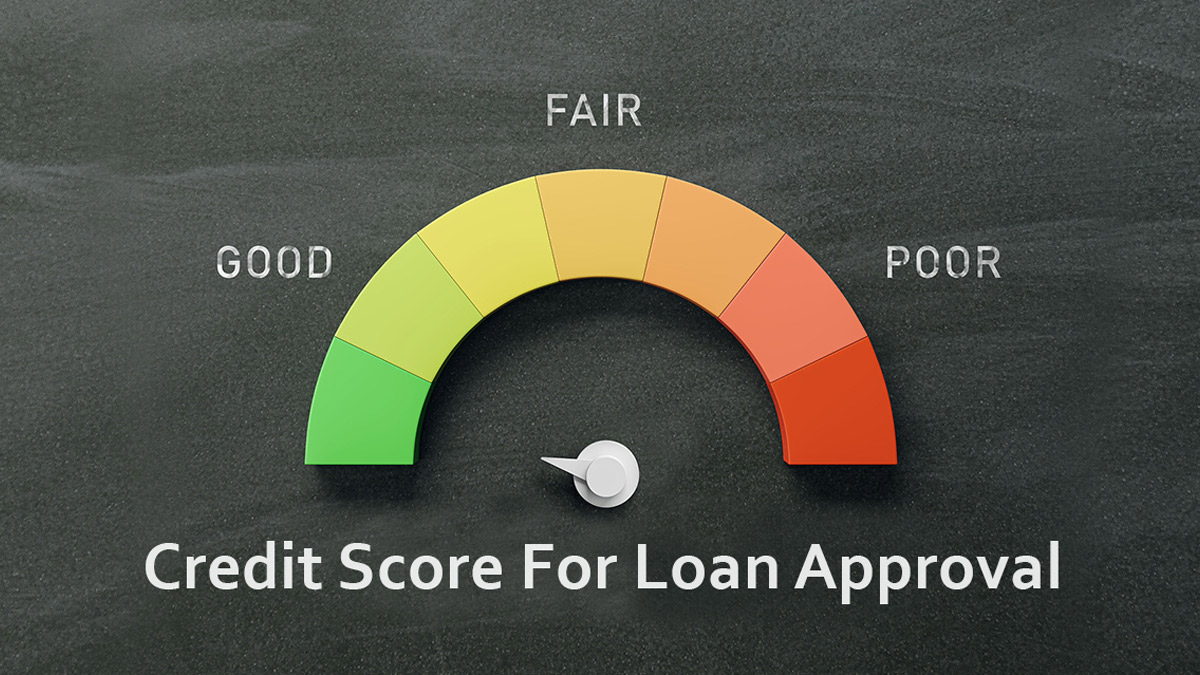
When you plan to apply for a personal loan, one of the first things that comes into focus is your credit score. Many people hear about it but may not fully understand how much influence it actually has on the application process. In simple terms, a credit score reflects how responsibly you have managed credit in the past.
It acts as a snapshot of your financial behaviour over time. This score plays an essential role in deciding personal loan eligibility and how smoothly the application moves forward. Being aware of how your credit score impacts the process can help you prepare well before applying for a personal loan.
Below are a few ways your credit score can influence personal loan approval.
1. It plays a key role in personal loan eligibility
Your credit score is often one of the primary indicators used to evaluate personal loan eligibility. A strong score of usually 750 and above reflects a history of paying dues on time and managing credit responsibly. This financial track record helps show reliability when applying for a personal loan.
On the other hand, a lower credit score might indicate missed payments or higher credit usage in the past. Because of this, the credit score becomes an important starting point in assessing whether an applicant meets the basic eligibility conditions.
2. It reflects your repayment behaviour
Your credit score is built from your previous financial behaviour, particularly how consistently you repay borrowed money. Timely payments on credit cards, loans, and other credit facilities contribute positively to the score.
When your repayment record shows consistency, it suggests that you manage financial commitments in a responsible manner. This positive history can support your personal loan eligibility and make the loan application procedure smoother.
3. It may influence loan terms
A good credit score does not just help with loan eligibility; it can also influence the overall terms linked with a personal loan. Applicants with stronger credit profiles might find that the available options are more flexible.
Since the credit score reflects financial reliability, it can shape how the loan structure is offered, including aspects such as repayment tenure or borrowing limits. Maintaining a healthy credit score, therefore, plays a vital role in shaping the borrowing experience.
4. It affects the speed of the approval process
Applications supported by a strong credit score often move through the process more smoothly. When your credit history clearly shows responsible credit usage, fewer clarifications may be required during the evaluation stage.
This can help speed up the approval timeline for a personal loan. In contrast, if the credit history contains irregularities or gaps, the review process may take longer, as additional checks may be required.
5. It encourages responsible financial habits
One of the most valuable aspects of a credit score is that it encourages responsible financial behaviour. Being aware that repayment history directly influences personal loan eligibility often encourages individuals to manage their credit more responsibly.
Simple habits such as paying dues on time, avoiding excessive borrowing, and maintaining balanced credit usage can gradually improve the score. Over time, these habits build a strong financial profile that supports future borrowing needs.
Ending note
A credit score may seem like just a number, but it carries significant weight when applying for a personal loan. It reflects your financial discipline, repayment history, and overall credit management.
By maintaining good credit habits, you not only strengthen your personal loan eligibility but also make the borrowing process smoother and more predictable. In the long run, a healthy credit score becomes more than a requirement; it becomes a reflection of consistent and thoughtful financial management.






