Brands
IPL franchises look beyond reach to monetise fan relationships
Study maps a Rs 45–50 crore annual upside from digital fan ecosystems

MUMBAI: After 18 seasons of relentless growth, the Indian Premier League has become one of the world’s most powerful sporting brands. Its franchises, however, are being told that reach alone is no longer enough.
A new analysis argues that the next phase of IPL franchise economics will be defined by how effectively teams convert broadcast audiences into long-term, owned fan relationships. The shift, it says, is from mass visibility to structured digital ecosystems that treat fandom as a compounding asset rather than a seasonal spike.
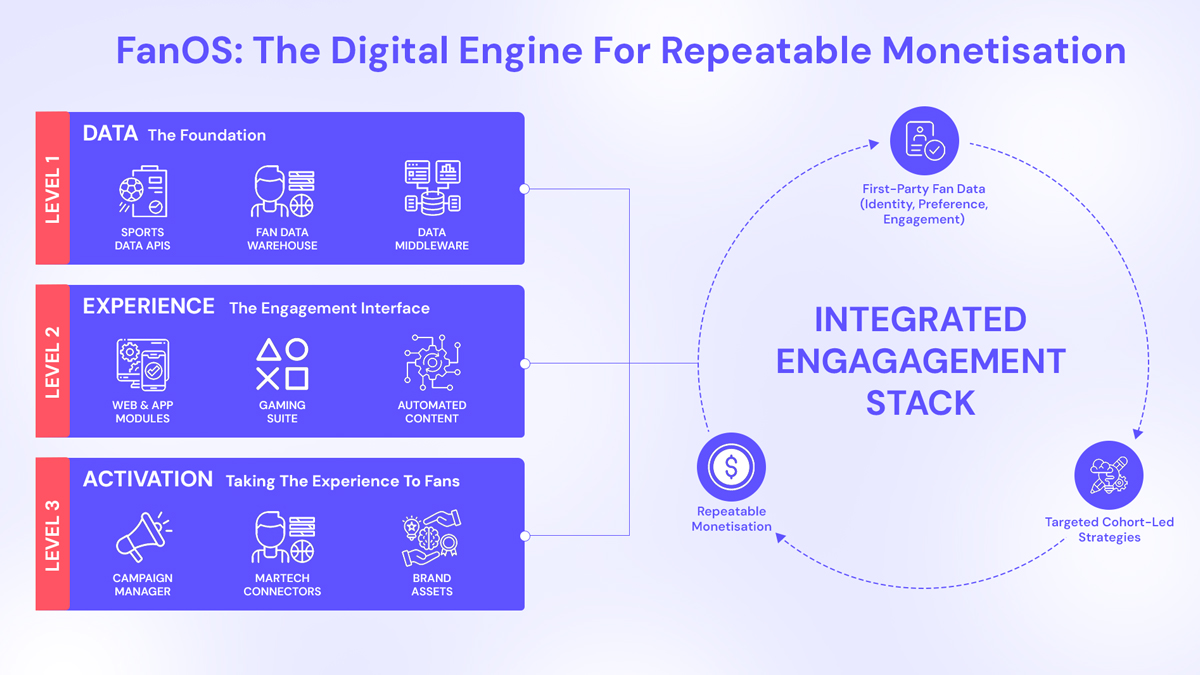
The central idea is simple: broadcast reach should be seen as the top of a longer value funnel. Digital engagement, in this model, is not a marketing afterthought but a system designed to turn anonymous viewers into known, monetisable users. Franchises that offer distinctive, personalised experiences can unlock direct revenues from fans and indirect gains through richer sponsorship propositions.

The study suggests that future media rights cycles will increasingly focus on yield per fan rather than raw viewership, reflecting a move from passive consumption to active participation. This places pressure on franchises to invest in digital infrastructure that goes beyond scale and focuses instead on repeatable outcomes: registrations, behavioural insight and personalised activation across platforms.
First-party fan data sits at the heart of this strategy. When identity, preferences, engagement history and transaction signals are unified and operationalised, franchises can segment audiences more precisely, improve retention and lift lifetime value. Without such a digital engine, fan monetisation remains episodic and hard to scale.
Done well, the report estimates, this approach could compound value of up to Rs 45 crore annually for a franchise over time, while also deepening long-term fan relationships.
The underlying opportunity, pegged at roughly Rs 50 crore a year, is broken into four levers: data-led sponsorship and advertising uplift (35 per cent, or Rs 16–18 crore); direct-to-fan commerce and experiences (30 per cent, or Rs 11–14 crore); memberships and recurring fan revenue (20 per cent, or Rs 7–9 crore); and efficiency gains that free up capital for reinvestment (15 per cent, or Rs 5–7 crore).
Actual outcomes will vary by market size, fan base and execution capability. But the direction is clear. The future economics of IPL franchises, the analysis concludes, will hinge less on how many fans they reach and more on how many relationships they own.







Brands
Jubilant FoodWorks faces Rs 47.5 crore GST demand, plans appeal
Tax authorities flag alleged misclassification of restaurant services
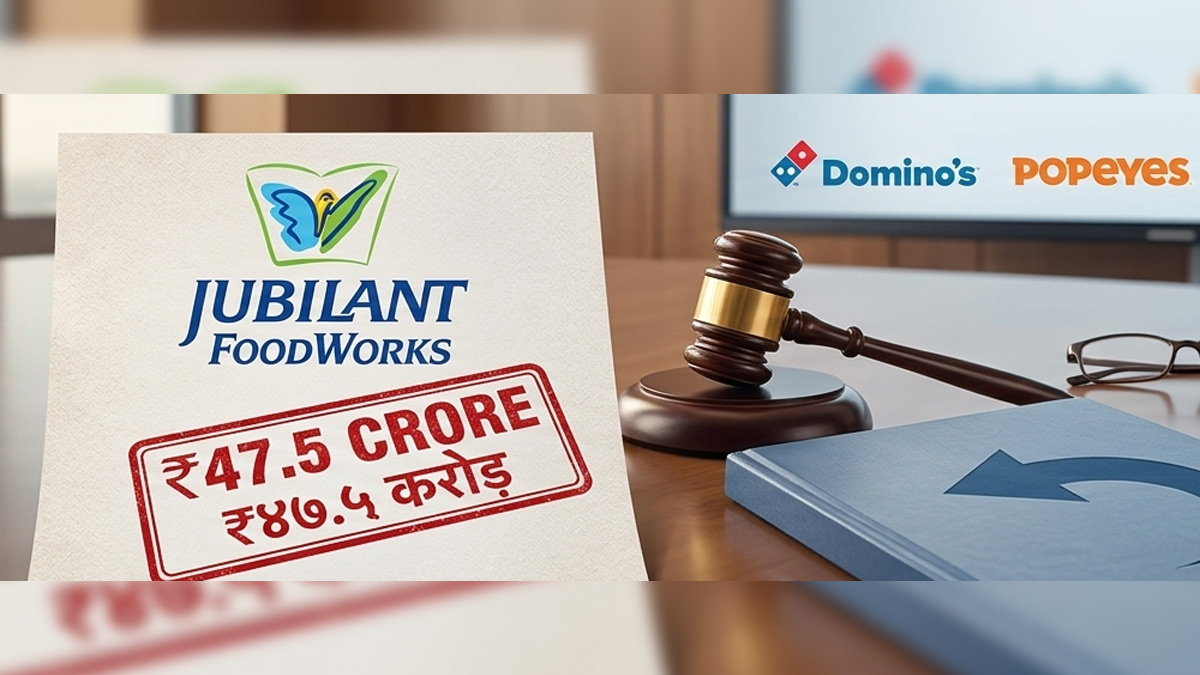
MUMBAI: Jubilant FoodWorks Limited has landed in a tax tussle after receiving a GST demand of Rs 47.5 crore from the office of the additional commissioner of CGST and central excise in Thane, Maharashtra.
The order, issued under the provisions of the Central Goods and Services Tax Act, 2017, relates to an alleged incorrect classification of certain services under the category of restaurant services. According to the tax authorities, this classification resulted in a short payment of goods and services tax for the period between the financial years 2019-20 and 2021-22.
The demand includes Rs 47.5 crore in GST along with an equal amount as penalty, in addition to applicable interest. The order was received by the company on March 13, 2026.
In a regulatory filing to the BSE Limited and the National Stock Exchange of India Limited, the company said it disagrees with the order and believes its arguments were not adequately considered.
The company is preparing to challenge the decision and plans to file an appeal. It added that once the redressal process is complete, the demand is likely to be dropped.
Despite the sizeable figure attached to the notice, the company said it does not expect any material impact on its financials, operations or other activities.
The disclosure was signed by Suman Hegde, EVP and chief financial officer, who confirmed that the company received the order at 19:06 IST on March 13 and has already initiated steps to contest it.
The development places the quick service restaurant major in the middle of a tax debate that could hinge on how certain restaurant-linked services are classified under GST rules. For now, the company appears ready to take the matter from the tax office to the appeals desk.