Brands
Inspira’s hunger games: Chinese Wok owner to gobble up Burger King India for Rs 1,500 crore

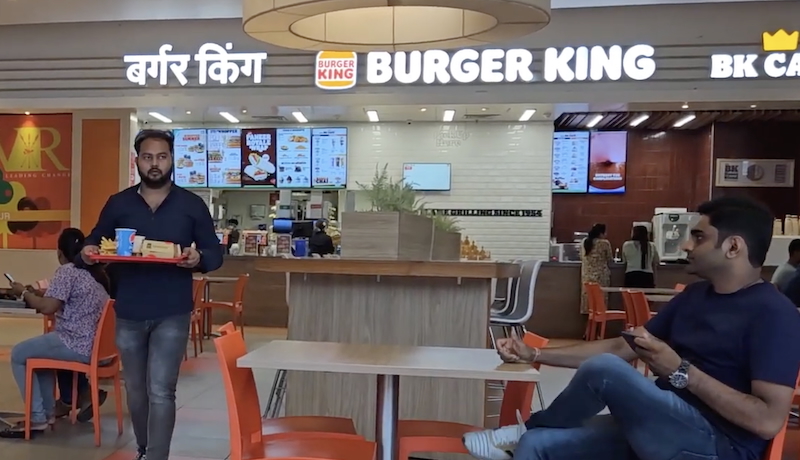
NEW DELHI: The king is dead. Long live the king. Burger King India is changing hands in a sizzling Rs 1,500-crore deal that sees Inspira Global—led by Aayush Madhusudan Agrawal—flipping the script on quick-service restaurants. The acquisition, announced on 20 January, marks Everstone Capital’s complete exit after a 12-year reign building India’s Whopper empire from scratch.
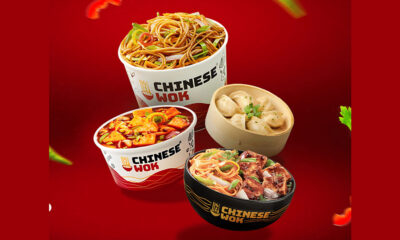
Inspira Global, whose food and beverage arm Lenexis Foodworks already operates over 250 Chinese Wok restaurants across 45-plus cities, is paying Rs 70 per share—a tasty 10 per cent premium to the closing price. The deal comprises three courses: Rs 460 crore to buy out QSR Asia’s entire 11.26 per cent stake, Rs 900 crore through preferential allotment of equity shares, and Rs 600 crore via warrants convertible within 18 months. Once fully digested, Lenexis will command a 26.74 per cent stake, assuming all warrants are exercised.
The transaction triggers a mandatory open offer to public shareholders under takeover regulations. Restaurant Brands Asia—as Burger King India is now formally known—has scheduled an extraordinary general meeting for 13 February to secure shareholder approval. The menu also includes hiking authorised share capital from Rs 700 crore to Rs 900 crore and granting special rights to the new promoters.
Board composition will get a thorough reshuffle. Out go non-executive directors Roshini Hemant Bakshi and Amit Manocha. In come Inspira’s nominees, who’ll hold four board seats as long as their collective stake stays above 25 per cent, dropping to three seats if it falls between 15 and 25 per cent. Ajay Kaul, currently a non-executive director who holds a two per cent stake in Lenexis, will switch hats to become a nominee director for the acquirers.
The new promoters will also gain the right to appoint the managing director and chief executive officer—cementing operational control over the 575-outlet chain that spans India and Indonesia, where it also operates Popeyes restaurants.
Whole-time director and group chief executive officer Rajeev Varman struck an upbeat tone: “We are excited to welcome Aayush Agrawal and Inspira Global as our new promoter. With their strong track record of value creation in India, long-term capital support and strategic alignment, we believe this will enable us to continue our strong growth journey.”
Aayush Agrawal himself waxed enthusiastic about the acquisition: “We see this as a long-term value creation initiative through focused sustainable growth and realising the true potential offered by the market. The investment strengthens Inspira Global’s focus on consumer businesses and deepens our presence in the high-growth QSR segment.”
Everstone co-founder and group chief executive officer Sameer Sain reflected on the journey: “We opened India’s first Burger King 12 years ago with a distinctive menu, an exceptional management team, and the ambition to build a marquee QSR brand. Today, with over 575 outlets, those foundations remain firmly in place.”
Restaurant Brands International – the global owner of Burger King and Popeyes — president for Asia-Pacific Rafael Odorizzi welcomed the new partnership: “We are pleased with Inspira Global’s commitment to making a significant investment in RBA and look forward to working with them as long-term partners.”
The deal requires approval from the Competition Commission of India, BSE, and NSE. Bathiya Advisors advised on the transaction, while Motilal Oswal Investment Advisors serves as manager to the open offer. The board meeting that sealed the deal was impressively efficient—lasting just 28 minutes from 8:10pm to 8:38pm.
One promoter exits medium rare, another enters well done.