MAM
Innovation is the pillar of the new events industry


Over the last few years, the events industry in India has experienced exponential growth and transformation, as a result of advancements in technology, new opportunities, platforms, and so on. While earlier, the sector dealt primarily with small scale events, today, massive, elaborate events are a common sight, with people flocking to them from all over the country. However, large scale events like these require a great deal of ideating, innovating, and brainstorming, and often, are not executed as well as they could have been, owing to the challenges involved.
The phrase “If you do something, do it well, or don’t do it at all” is one that almost all of us are familiar with, and resonates with me greatly. As such, I believe that in order to make an event a massive success, the backend work and preparation that go into it, are of tremendous importance. It isn’t just about the efforts, but rather, the innovative ideas, concepts, and execution that make an event exceptional. A few of the factors and key innovations which make up the backbone of the event industry are enumerated below:
Out-of-the-box concepts
Given the explosive growth that the events industry has seen over the last few years, a large number of key, established players have poured into the market, while many more new groups are making their way in, every now and then. This is why it is extremely important for an event to be able to set itself apart from the rest, to leave a lasting impression. Out-of-the-box thinking and innovative concepts help create a unique experience for the guests, which not only ensure that they have a great time but also makes them eagerly look forward to the next event in the calendar.
Importance of unique venue design
The venue selected also has much to do with the success of the event, as it provides the framework for the experience that the guests will be a part of. Gone are the days when a stage and sound equipment were all that you need to make an event successful. From open-air concert grounds and underground basements to nature trails and more, event venues have only evolved more and more, with time, and hence, need to continue pushing boundaries, to create the perfect ambience and environment that complement the kind of event being organised.
Variation in lighting
In any kind of event, lighting plays a major role in creating the kind of aura and ambience that will make it a success. Not only that, the kind of lighting used and the way it is used have a lot to do with the prevailing mood of the audience as well, controlling the ebb and flow of the crowd, and its energy. From colourful psychedelic lights to more sombre, grim ones, lighting is one of the most important parts of the fundamentals of an event, and as such, need to be organised and set up appropriately and accordingly.
Technology used
The options offered by technology have made today’s event industry dynamic, revolutionary, and highly interactive. From drones and VR to live streaming and more, event organisers nowadays have a host of options to help augment their events and make them larger than life. Additionally, technology has also helped streamline and organise the industry as a whole, providing various platforms, features, and innovative solutions for it to grow and evolve.
Crowd-sourcing
The concept of crowdsourcing, though an old one, was almost unheard of, even a decade back. However, today, the event industry has realised the true potential of crowdsourcing, and more and more talented but unknown artists are gaining exposure, as a result. Additionally, crowd-sourced events are affordable and cost-effective, while providing the audience with a chance to directly contribute towards making their desired events a reality.
Marketing/digital marketing
To promote any event, it is extremely important to plan a great marketing strategy keeping in mind the target audience for the event. An event relevant blog post can also help in reaching out to the audience considering a blog is a good strategy to showcase everything around the event. Blogs can be directly targeted to the audience through interviews with the speaker or performer. Email marketing can also be considered as the second strong channel in all industries. Also, social media has been the most preferred platform for planning, promoting and executing the event; it is used to create a buzz around the event with various content and allows the followers to share and discuss it.
Owing to these factors, the evolving dynamics of event technology have helped improve the attendee experiences and the level of engagement, as a result of which, the event industry has today become highly competitive and sought after. Every event organiser attempts to ensure that they create an event which is out of the box and caters specifically to the audience, in order to guarantee success. The power of social media is also a huge boon, which helps in spreading awareness and engaging the target audience, even before the event, so as to build the hype and ensure maximum attendance. These elements teamed with effective marketing strategies, and attention to every detail, play the most important role in helping organise a successful event. Not only does that ensure the maximum number of attendees, but it also helps create a unique experience that is attuned to the guests and their specific preferences, because of which, they keep coming back for more.
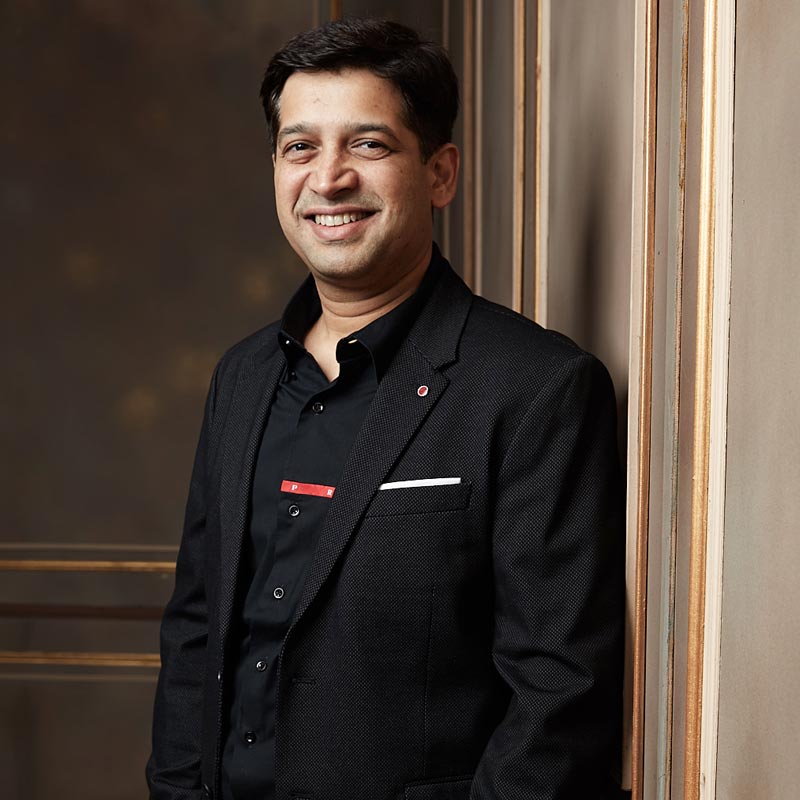
(The author is MD, Dome Entertainment. The views expressed here are his own and Indiantelevision.com may not subscribe to them)