MAM
InMobi appoints Todd Rose as SVP, global business development


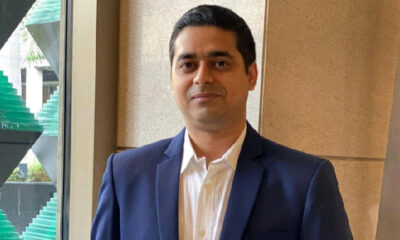
Mumbai: InMobi on Wednesday announced the appointment of Todd Rose as senior vice president of global business development. He will be based out of San Francisco and report to InMobi Group co-founder and CEO, InMobi Marketing Cloud, Abhay Singhal.
Rose joins InMobi to operationalise and accelerate a cohesive data and identity strategy, as well as expand strategic partnerships for clients to better leverage InMobi’s end-to-end advertising solutions to activate audiences, drive meaningful connections and ignite growth, said the company in a statement.
“We’re thrilled to welcome Todd to lead our business development team, build on our growth and spearhead the next chapter of global expansion,” said Singhal. “Todd has deep domain expertise and rich relationships across the advertising ecosystem. He will play an integral role in defining and institutionalizing business development for InMobi, further advancing and expanding our strategy to address the market opportunities ahead.”

Previously, Rose worked for InMarket as chief business development officer. He also spearheaded agency holding company partnerships and led sales of GeoLink, InMarket’s real-time activation platform. Rose joined InMarket via the acquisition of NinthDecimal, a leading location intelligence platform, where he served in a similar capacity as part of the management team for eight years. He managed all platform and publisher partnerships and helped transition NinthDecimal from a Wi-Fi advertising network to a leader in mobile location intelligence.
Earlier in his career, Rose led business development for YP / AT&T Interactive and had stints in management consulting with both McKinsey & Company and Marakon Associates.
“InMobi has amassed a set of assets to provide end-to-end digital marketing capabilities for clients that can readily be tailored to the needs of specific verticals,” said Rose. “The depth of InMobi’s integrations with publishers and its role across the advertising value chain has poised the company to unlock and martial first-party data, for both publishers and advertisers, in an increasingly privacy-focused world.”






MAM
Beacon Group appoints Dr Rajesh Patel as Group CEO
36-year healthcare veteran to lead Beacon Diagnostics, Vector Biotek, Biogeny.
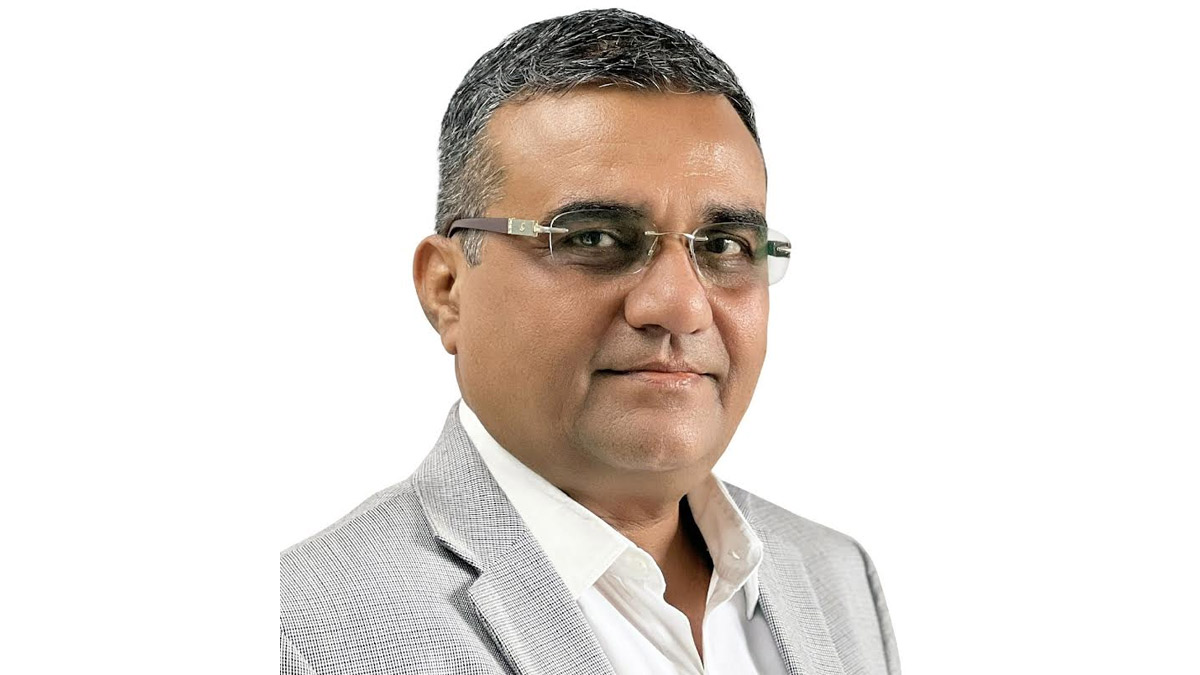
MUMBAI: A new chief, a fresh diagnosis and a sharper prescription for growth. Beacon Group has appointed Dr Rajesh Patel as its Group Chief Executive Officer, effective April 1, 2026, signalling a decisive push to scale its presence in the diagnostics and IVD space. Patel steps into the role with 36 years of experience across the healthcare and diagnostics industry, bringing a career shaped by leadership roles spanning sales, marketing, business development and operational strategy. His mandate is both expansive and precise: to steer the group’s overall strategic direction while tightening coordination across its three core entities Beacon Diagnostics, Vector Biotek and Biogeny Diagnostics.
In practical terms, that means driving cross-company synergies, accelerating market expansion and strengthening organisational capability areas increasingly critical as diagnostic players compete for scale in a fragmented yet rapidly evolving healthcare ecosystem. The group is positioning itself to capture unmet demand across chain laboratories, key accounts and standalone labs, segments that remain underserved despite growing diagnostic needs.
The appointment comes at a time when the In Vitro Diagnostics (IVD) sector in India is entering a more competitive and innovation-led phase, with companies focusing not just on product pipelines but also on service delivery, integration and customer-centric models. Beacon’s leadership appears to be betting that Patel’s execution-focused approach can help translate ambition into operational momentum.
Welcoming the appointment, Chairman Dr D K Joshi described Patel’s induction as a strategic move aligned with the group’s long-term vision, emphasising the role of leadership depth in navigating the next phase of growth.
For Beacon Group, the message is clear, in a sector where precision matters, leadership is the new differentiator—and this appointment is intended to set the tone for what comes next.






