MAM
Industry gathers to remember their Bhaskar Da

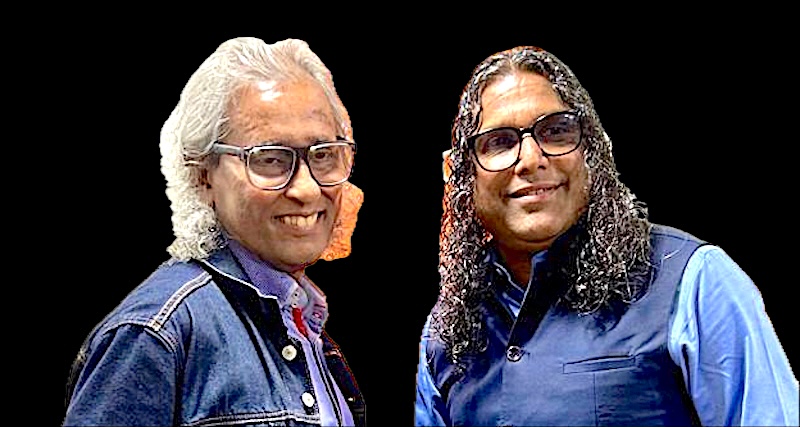
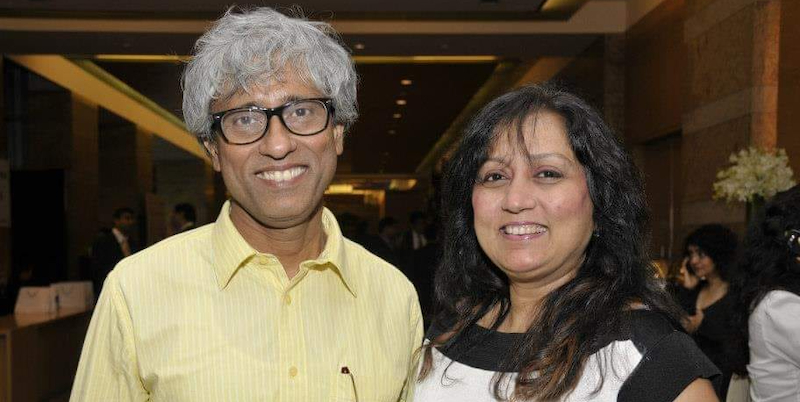
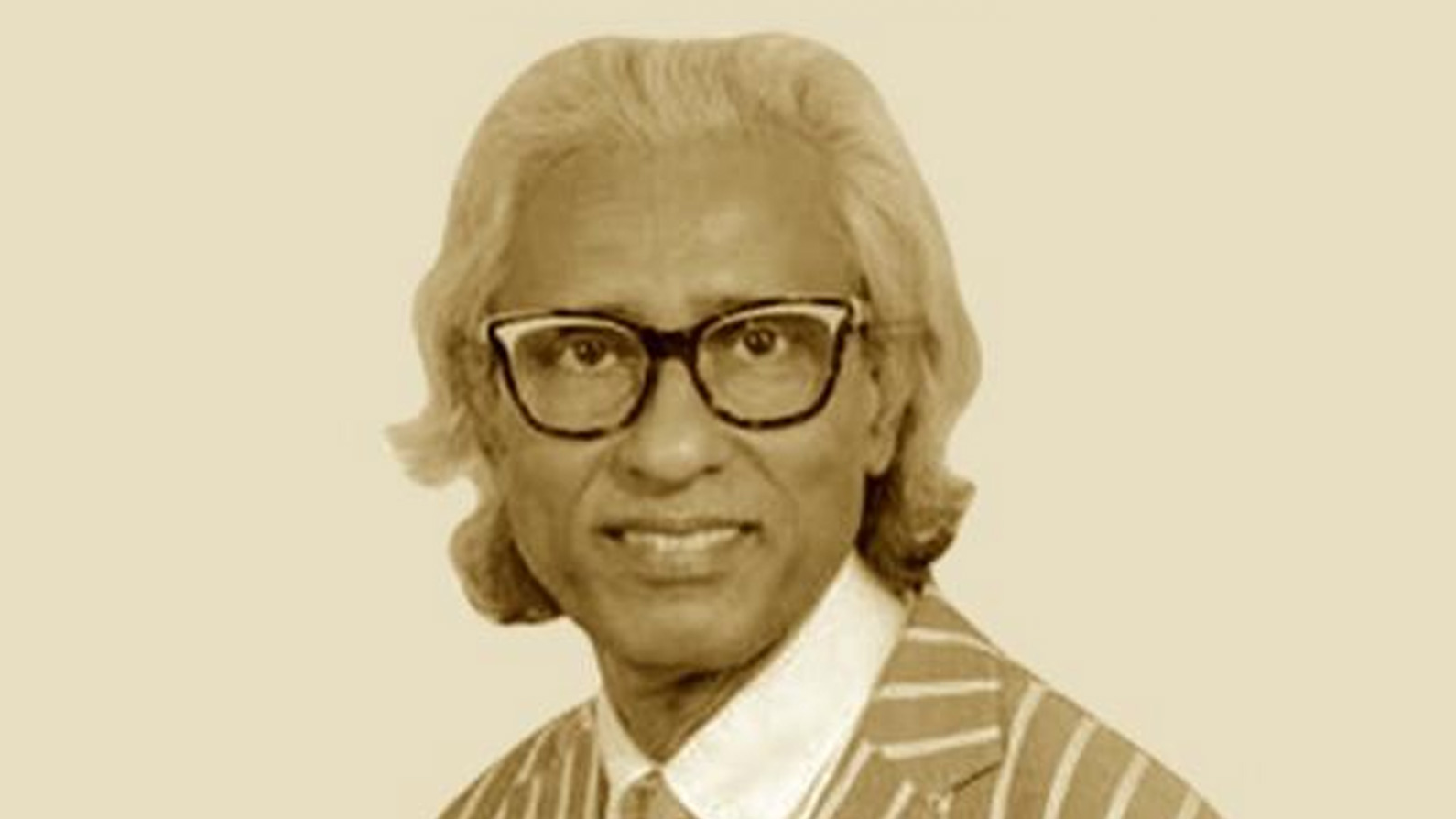
MUMBAI: Friends, colleagues, and admirers gathered on the evening of 24 January to celebrate the life of Dr Bhaskar Das, fondly known as BD or Bhaskar Da, at a packed remembrance ceremony at the Nehru Centre in Mumbai. The atmosphere resembled a rock concert, as people stood shoulder to shoulder to honour the “rock star” of the media industry, in the words of media veteran Meenakshi Menon.
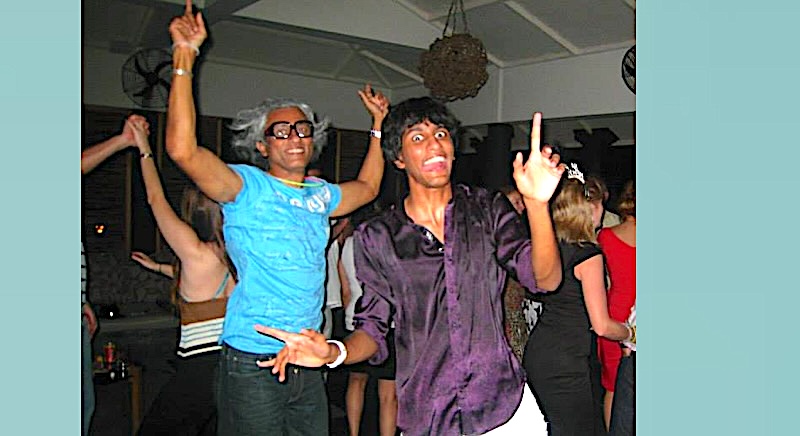
A striking photograph of BD captured his essence—an effortlessly stylish presence, his T-shirt radiating understated luxury, hair tousled as if by a breeze from a southern French beach, and his insouciance evident in every detail.
The evening highlighted BD’s extraordinary ability to forge deep connections. As his brother Sanjay Das shared, “Bhaskar had an incredible gift for bringing people together.”

Despite being a deeply private individual, BD had an innate knack for shining a spotlight on others, learning about their lives, families, and struggles, all while keeping his own life in the shadows, highlighted Meenakshi.
The venue was emotionally charged – some shared their loss, some shared how Bhaskar Da had helped them unexpectedly and expecting nothing in return. Many attendees shared stories of his thoughtfulness and the genuine care he extended to everyone, regardless of their stature. Bhaskar Da was a people’s person in the truest sense—interested not in what he could gain but in what he could learn from others.
“BD’s ability to make friends and influence people was unmatched,” noted one attendee. “He was a friend to all and an inspiration to many.”

The remembrance ceremony was as vibrant and heartfelt as the life BD lived—an event he would have undoubtedly approved of. As those closest to him bid farewell, they reflected on his enduring wisdom and generosity.
“Farewell, my friend,” wrote Meenakshi. “You will live on in our hearts and through the advice you shared. You will be remembered always.”
Bhaskar Da would have liked it if people celebrated his life, rather than mourn his loss or his passing. He lived a full life, like he used to say: “I’d rather have life in my years, than years in my life.”
While, we would have liked him to have both, he chose the first. We appreciate and respect his choice Bhaskar Da. Thank you for the wonderful legacy of relationships, warmth, and a life well-lived that you have left behind. Cheers!.