Brands
Indians may share personal data online, brands must act responsibly: Kantar TNS

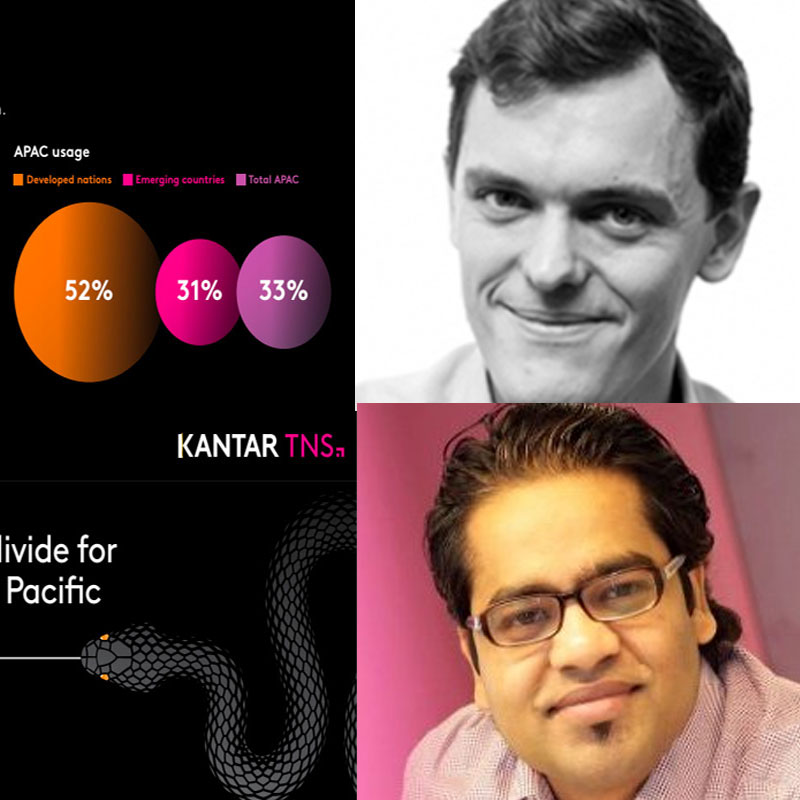
MUMBAI: Connected consumers in India are far more trusting than other countries in the region when it comes to their online activities, according to Kantar TNS’s latest Connected Life research. In comparison to the rest of the world, they are more open to sharing their personal data if it improves their online experience. Brands need to use this information responsibly or risk the rise of doubt and cynicism.
Kantar TNS surveyed 70,000 people across 56 countries and conducted 104 in-depth interviews as part of the 2017 Connected Life study. The research explored consumer trust in brands in relation to four themes: technology, content, data, and e-commerce.
Only 29 per cent of Indian consumers have concerns about the amount of personal data brands have on them, compared to 40 per cent globally and rising to as high as 56 per cent in Australia. What’s more, only 27 per cent are adverse to connected devices monitoring their activities online if it makes their lives easier, compared to 56 per cent of consumers in Korea and 62 per cent in New Zealand.
However, Indians are not as trusting of global brands as other countries in APAC, with 38 per cent trusting big global brands in comparison to 54 per cent in both Vietnam and Myanmar, and 47 per cent in Indonesia. Consumer trust falls significantly in developed markets like Australia and New Zealand, where just 19 per cent and 21 per cent, respectively, trust big global brands.
The trust on social media platforms is high with 39 per cent of connected consumers in India say that the content they see on social media channels is reliable, compared to 32 per cent globally.
Kantar TNS India executive vice president Anusheel Shrivastava says, “The majority of Indians are not particularly concerned about their digital privacy yet, however this is not to say that they won’t follow the trend of more developed countries where people are now far more sceptical of how their personal data is being used. Brands need to act responsibly online to maintain the trust that they currently hold.”
Kantar TNS global lead of connected solutions Michael Nicholas adds, “Trust is fragile. Brands in emerging countries see higher levels of consumer trust today than those in developed ones but they shouldn’t take it for granted. To build and protect trust, brands need to put the customer first.”