AD Agencies
Indian watchdog had reason to raid global ad agencies for price-fixing

MUMBAI: Even as India’s advertising industry executives were painting the town red at their annual jamboree in Goa, a Reuters exposé should have them reaching for paracetamol. The party-poopers at India’s Competition Commission have uncovered a cosy cartel that makes the old boys’ club look positively egalitarian.
A confidential document dated 7 February reveals that global advertising giants have been caught red-handed coordinating the commissions they charge clients—a practice about as competitive as a rigged horse race. The evidence was so damning it prompted surprise raids in March at the Indian offices of WPP-owned GroupM, Interpublic, Publicis and Dentsu, along with three industry bodies that apparently forgot the first rule of cartels: don’t leave a paper trail.
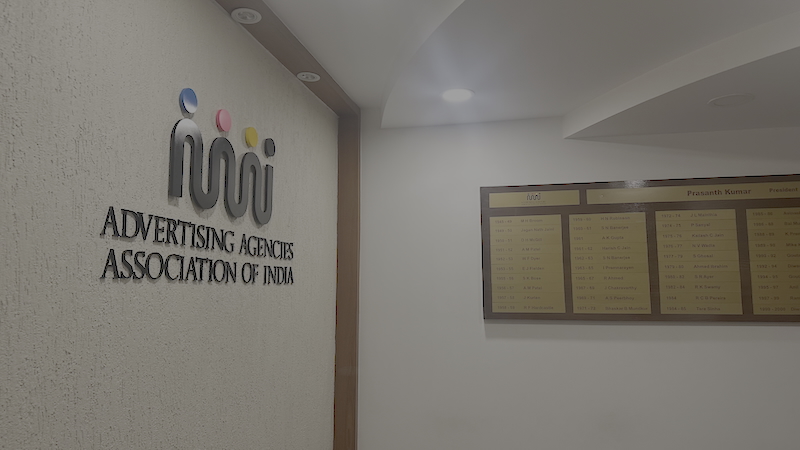
The Competition Commission of India’s (CCI’s) sleuths discovered not one but three separate cartels operating through the Indian Society of Advertisers, the Advertising Agencies Association of India (AAAI) and the Indian Broadcasting and Digital Foundation (IBDF) . It’s like finding out your local parish council is actually running the mafia.

Since at least 2023, these agencies have been exchanging commercially sensitive information through WhatsApp groups. They agreed to stick to pre-decided commission structures with the discipline of a Swiss watch, the commission found.
The AAAI, which represents the big four agencies, didn’t just coordinate prices. It organised virtual meetings to align on responses to clients and discussed “retaliatory action” against members who dared to break ranks. The group also “fixed the formula for fees in case of fee-based service to advertisers”, the commission noted—apparently unaware that price-fixing went out of fashion around the same time as top hats.
None of the accused parties responded to Reuters’ queries, maintaining the kind of stony silence usually reserved for caught teenagers or politicians facing corruption charges.
The case was triggered after Dentsu turned whistleblower—a move that proves there really is no honour among thieves. The revelations cast a shadow over India’s booming media sector, where Reliance-Disney and Sony are top dogs in a market worth $18.5 billion last year.
The commission found that advertisers had “established a buyer’s cartel” whilst broadcasters engaged in “collective action to refrain from giving discounts.”. Another cartel lurks in the media segment, with attempts underway to establish one in the creative business too, because apparently one conspiracy just isn’t enough.
In recent weeks, the AAAI has privately advised members to avoid pricing discussions during meetings unless their legal adviser is present.
The investigation comes as India’s advertising landscape shifts following last year’s $8.5 billion merger between Walt Disney and Reliance’s Indian media assets, creating a behemoth with an estimated 40 per cent share of the television and streaming ad market.
India ranks as the world’s eighth-biggest advertising market, making this less a local spat and more a global reckoning. The CCI’s investigation is expected to rumble on for several months before final findings emergE.